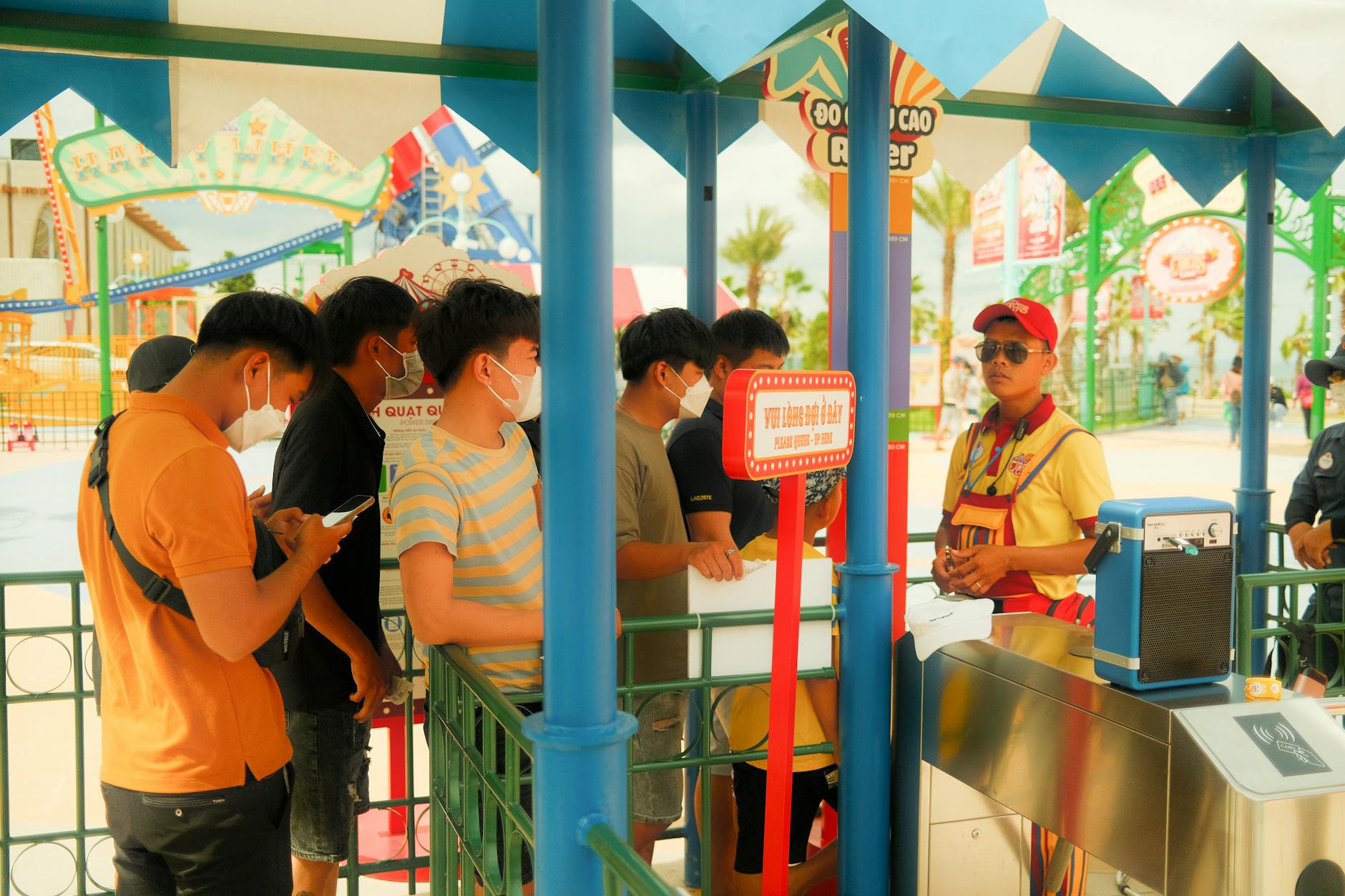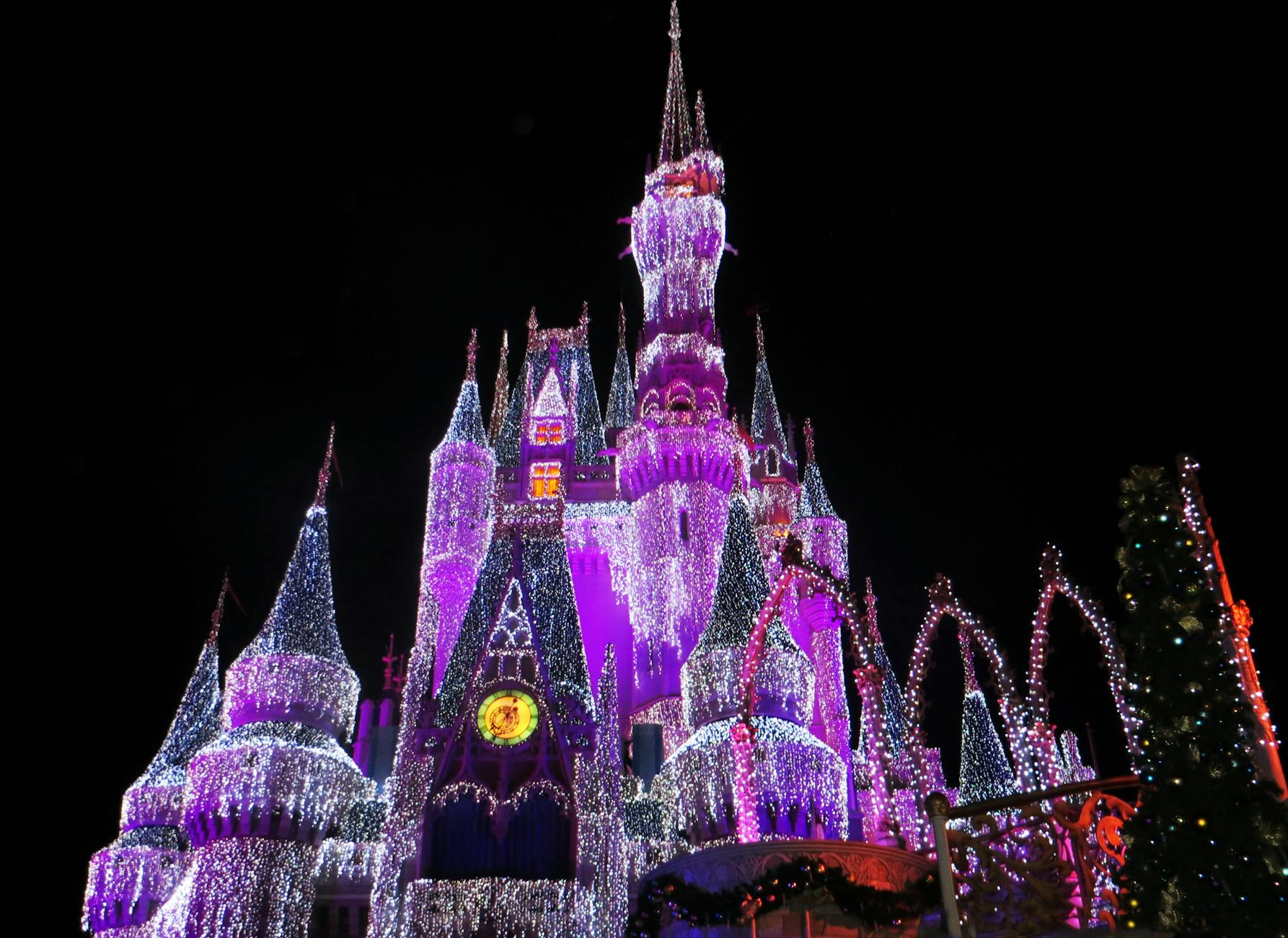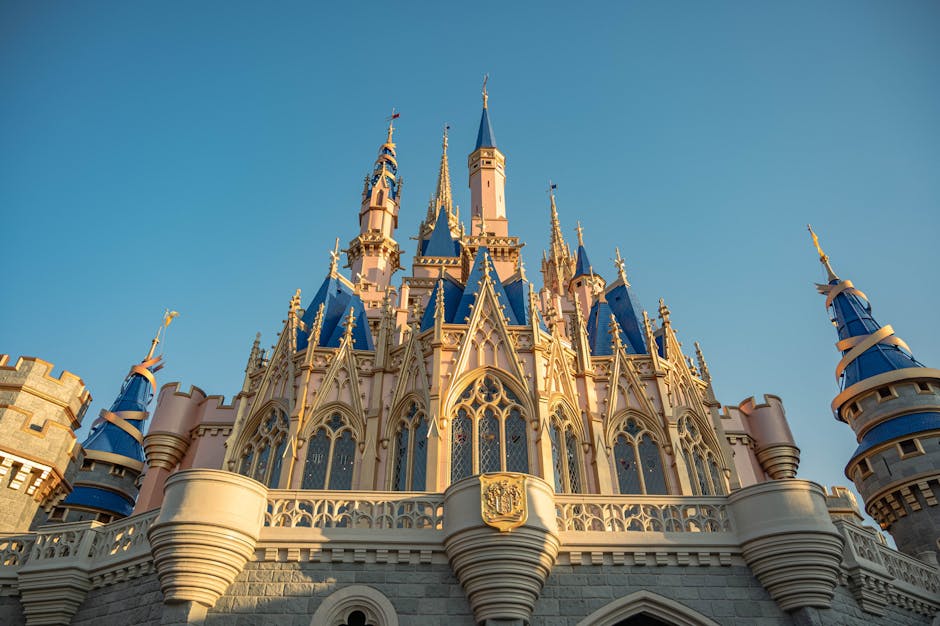
If you’ve never visited Orlando theme parks in January or February and you’ve only ever heard “Florida is hot,” you’re going to be surprised — and probably delighted — by what winter actually looks like at Walt Disney World, Universal Orlando, SeaWorld, and beyond. Daytime highs in the 60s and low 70s. Some of the lowest crowd levels of the entire year. The tail end of the holiday season at the Disney parks running through early January. EPCOT‘s spectacular Festival of the Arts. Hotel rates that drop 40% from peak season. And the kind of clear blue Florida sky that makes the photos look like they were taken at a different resort. Winter in Orlando is a genuine secret weapon for visitors who can swing the timing — and a complete waste for visitors who didn’t know to pack a fleece. This is the most comprehensive 2026 guide to visiting Orlando theme parks in January and February: weather, crowds, special events, packing strategy, ticket pricing, and exactly which dates to target and avoid.
Orlando in January and February 2026: The Quick Take
January and February are widely considered two of the best months of the year to visit Orlando theme parks. The combination of low crowds, mild weather, lower hotel rates, and exclusive seasonal events (Festival of the Arts, runDisney Marathon Weekend, Mardi Gras at Universal) creates an experience that’s calmer and often higher-quality than peak summer or holiday visits. The catches: a few specific date ranges to avoid (MLK weekend, Presidents’ Day weekend, Valentine’s weekend, Marathon Weekend itself if you’re not running), and the genuine need to pack layers because Florida winter mornings can drop into the 40s or even briefly the 30s during cold fronts.
Orlando Weather in January and February 2026
Florida winter is mild by national standards but variable. Here’s what to actually expect.
January Weather
Average daytime high: 71°F. Average overnight low: 51°F. Coldest possible days: highs in the 50s with overnight lows in the 30s during cold fronts that typically last 2–4 days. Warmest possible days: highs in the high 70s, occasionally low 80s, especially in the back half of the month. Average rainfall: about 2.5 inches across 6 days, well below summer’s 7+ inches across 14 days. Average humidity: 65% (compare to summer’s 80%+). January is the driest month in Orlando, and on most January days the air feels crisp, clear, and comfortable.
February Weather
Average daytime high: 73°F. Average overnight low: 53°F. February is typically slightly warmer than January, slightly less prone to cold fronts (though they still happen), and the most consistent month for park-friendly weather of the entire winter. Sunshine: about 75% of February days are sunny or mostly sunny. Average rainfall: 2.4 inches across 6 days. Many February visitors find the weather genuinely perfect — warm enough for short sleeves at midday, cool enough for a sweatshirt at fireworks time.
Cold Fronts: The Variable
Florida’s winter weather is not uniformly mild. Roughly 2–3 cold fronts pass through Orlando each January and February, dropping daytime highs into the 50s and overnight lows into the 30s or low 40s for 2–4 days at a time. These fronts are easy to track 7–10 days out via Weather Underground, AccuWeather, or the Weather Channel app. If your trip is flexible by 3–5 days, you can usually avoid the coldest stretch by monitoring forecasts and shifting your dates. If you’re locked in, pack accordingly and remember that cold mornings often warm to the high 60s by afternoon.
Water Temperature
Pools at most Disney and Universal resorts are heated and remain swimmable throughout the winter, though hot tubs are far more popular than pools on cold days. Disney’s water parks (Typhoon Lagoon and Blizzard Beach) close on a rotating schedule for refurbishment during winter; in early 2026, both reopen for the summer in mid-May. Universal’s Volcano Bay maintains heated water year-round but operates on reduced winter capacity through February.

Orlando Crowds in January and February 2026
Crowd patterns in Orlando winter are shaped by a few specific date ranges. Understanding these patterns is the difference between near-walk-on lines on the best dates and surprisingly heavy crowds on the worst dates.
Lowest-Crowd Date Ranges
The single best low-crowd window of the entire 2026 calendar runs from January 5 through January 14 (after the holiday rush, before MLK weekend). Parks routinely run wait times below 30 minutes on Tier 1 attractions during this window. Genie+ and Lightning Lane Multi Pass become almost unnecessary. Hotel rates hit annual lows.
The second-best window runs January 21 through January 28 (after MLK, before Marathon Weekend). Wait times remain low, weather is typically mild, and hotel availability is excellent.
The third-best window runs February 3 through February 11 (the week after the Super Bowl, before Presidents’ Day weekend). Crowds remain low, weather is improving toward consistent mild days, and EPCOT Festival of the Arts is running.
Higher-Crowd Date Ranges to Avoid
Avoid New Year’s through January 4. The holiday parks are still full, hotel rates remain at peak, and parks operate at near-capacity. If you can possibly delay your trip to start January 5 or later, you’ll save money and time.
Avoid Walt Disney World Marathon Weekend (January 8–11, 2026), specifically Magic Kingdom on Saturday and Sunday during the Princess Half Marathon. Marathon Weekend brings tens of thousands of runners and their families to Disney, dramatically inflating crowds at all four Disney parks for that specific weekend.
Avoid MLK weekend (January 17–19, 2026). Three-day weekend with school breaks and youth sports tournaments creates one of the highest-crowd weekends of the entire winter. If you must visit during MLK weekend, prioritize Universal Orlando over Disney World; Universal sees less of the family-tournament effect.
Avoid Presidents’ Day Weekend (February 14–16, 2026). The combination of Valentine’s Day, Presidents’ Day, school breaks, and youth sports tournaments creates the worst crowd density of the entire winter. Crowd calendars rate this weekend as 8/10 or higher.
Avoid the entire February 5–22 window if you have flexibility. School breaks, Mardi Gras at Universal, and Presidents’ Day combine to elevate crowds across all parks for nearly three weeks.
Special Events and Festivals: January and February 2026
EPCOT International Festival of the Arts (January 16 – February 23, 2026)
The most distinctive winter event in Orlando, EPCOT’s Festival of the Arts transforms the park with food booths organized around culinary art (think paint palette platings), Art Defying Gravity acrobatic performances at the World Showplace, dozens of artist booths showcasing original works and Disney-themed prints, the popular Disney on Broadway Concert Series at the America Gardens Theatre, and “art photo ops” where you can photograph yourself within recreations of famous paintings. Food booths offer 20+ globally-themed art-presented items at $5–$12 each, making the festival a dream for adult travelers and a surprisingly engaging experience for older kids. Festival is included with EPCOT admission; the Concert Series is also included unless you book a paid Dining Package.
Walt Disney World Marathon Weekend (January 7–11, 2026)
The runDisney Walt Disney World Marathon Weekend includes a 5K, 10K, Half Marathon, Marathon, and the multi-race Dopey Challenge. Races run pre-dawn through Magic Kingdom and the other parks. Even if you’re not running, the Health & Fitness Expo at ESPN Wide World of Sports is open to the public and features Disney runDisney merchandise that’s exclusive to the event. If you’re not running, avoid Magic Kingdom and Hollywood Studios on Saturday and Sunday of Marathon Weekend; the parks are usable but materially more crowded.
Universal Orlando Mardi Gras (February 1 – April 5, 2026)
Universal Orlando hosts a massive Mardi Gras celebration from February through early April. The headline events include the Mardi Gras International Flavors of Carnaval food booths around Universal Studios Florida (similar in concept to EPCOT’s festival), nightly Mardi Gras Parade (a full New Orleans-style float and music procession through the park), and a Concert Series featuring major-name musical acts on selected weekend nights. Concert Series tickets are included with park admission on concert nights; some nights feature artists who would cost $80+ at a stand-alone venue, making this one of the better value-adds of any 2026 Orlando trip.
Lunar New Year Celebrations (Late January / Early February)
Lunar New Year (January 29, 2026 in the Year of the Horse) is celebrated at multiple Orlando locations. The most notable theme park celebration is at Disney’s Animal Kingdom and at EPCOT’s China pavilion, both of which host special character meets, Lunar-themed treats, and brief cultural performances during the holiday window.
Valentine’s Day at Disney Springs (February 14, 2026)
While not a formal park event, Valentine’s Day weekend at Disney Springs becomes the destination for couples in Orlando. Reservations at Morimoto Asia, The Boathouse, STK Steakhouse, and Wine Bar George book up 60+ days in advance for that specific evening. Valentine’s-themed treats and popcorn buckets appear in early February at Disney parks.
SeaWorld Seven Seas Food Festival (Late February through April)
SeaWorld’s annual Seven Seas Food Festival runs Saturdays and Sundays starting in late February through April, with 10+ food booths offering international cuisine, live music, and cocktails. Festival entry is included with park admission. For visitors who pair Disney/Universal with a SeaWorld day, this festival adds significant value.
Pricing Advantages: January and February 2026
Theme Park Tickets
Disney World ticket prices fall to value-tier dates for most of January (excluding the first week and MLK weekend) and the first half of February (excluding Presidents’ Day weekend). Single-day Magic Kingdom tickets dip to $129–$139 on value dates, compared to $199–$209 on peak dates — a savings of $70+ per ticket per day. Multi-day tickets show similar discounts. For a family of 4 on a 5-day trip, value-date pricing saves roughly $400–$700 over peak-date pricing. Universal Orlando follows the same pattern with $120–$135 single-day tickets on value dates versus $170–$190 on peak. Read our Disney World ticket prices 2026 guide for full pricing breakdown.
Hotel Rates
Disney’s Value Resorts drop to $130–$200 per night on value dates compared to $300–$340 on peak. Moderate Resorts run $250–$320 versus $450–$500. Off-property hotels in the I-Drive corridor and Lake Buena Vista area see similar percentage drops. Vacation rental homes (3- and 4-bedroom properties with private pools) drop to $180–$280 per night versus $400–$600 in peak season. For a 7-night trip, hotel savings alone often exceed $700–$1,200.
Airfare
Domestic airfare to Orlando International Airport (MCO) hits annual lows in mid-January through mid-February, with round-trip fares from major U.S. cities running 25–40% below peak summer pricing. International visitors from Europe and South America see similar discounts. Booking 60–90 days in advance during the winter dip captures the best fare points.
What to Pack for Orlando in January and February
Pack-list mistakes are the #1 source of winter-Orlando complaints. Get the layers right and you’ll have a great trip; get them wrong and you’ll be cold in mornings, hot at noon, and shivering at fireworks.
Essential Layered Clothing
Light jacket or fleece pullover for each traveler (essential — mornings and evenings are genuinely chilly). Long pants for cooler days (jeans, joggers, or technical pants). Long-sleeve shirts and t-shirts both. Closed-toe walking shoes (sneakers or trail shoes); avoid sandals as primary footwear given variable temperatures. One pair of warm pajamas for hotel rooms, which Disney sets at conservative thermostats. Light gloves and beanie hats for travelers cold-sensitive (occasionally needed during cold fronts).
Layering Strategy for Park Days
The classic Florida-winter park day looks like this: morning entry at 50–58°F requires fleece or jacket plus long pants. Mid-day at 70°F requires t-shirt only with jacket carried (most Disney bag policies allow easy storage). Evening fireworks at 55–60°F requires re-layering. Most travelers tie their jackets around their waist or stash them in a bag during midday. A small backpack ($25–$60 from Amazon) makes layering practical.
Don’t Pack
Don’t pack swimwear unless your hotel has a heated pool you actually plan to use. Disney’s water parks rotate closed in winter; both reopen in mid-May 2026. Don’t pack only summer clothes. Don’t pack bulky winter coats — they’re rarely needed and impossible to manage at the parks.
Bring
Reusable water bottle (Disney and Universal allow them; free water is available at quick-service restaurants). Sunscreen — Florida winter sun still burns, especially at midday. A portable phone charger (winter days often involve early starts and late finishes). Comfortable wireless earbuds for waiting in line. Cash or card for tips and incidentals (most park transactions are card-only via apps).
Why January and February Beat Other Off-Peak Windows
Orlando has several “off-peak” or “shoulder” seasons. Why are January and February particularly attractive compared to other quiet windows?
vs September (the other low-crowd window)
September has lower mid-month crowds but still hot and humid weather (highs in the high 80s to low 90s, daily afternoon thunderstorms). Hurricane season is at its peak. School calendars pull crowds back toward the back half of the month. January and February offer the same low crowds with dramatically more comfortable weather.
vs Late Spring (April–May after spring break)
Late April–May has good weather and moderate crowds, but ticket prices and hotel rates rise from winter lows. The “best weather, lowest prices” combination of January and February is unmatched.
vs November–early December
The first two weeks of December feature beautiful holiday decorations and similar weather to January–February but pricing has already started its peak-season climb. The narrow late-November to early-December window is excellent for festive decorations but isn’t a value play.
Park-by-Park Strategy for January and February 2026
Walt Disney World
Magic Kingdom: Best winter month is January 21–28. Festival of Fantasy parade still runs at 3:00 p.m. Happily Ever After fireworks at 8:00 p.m. on most weeknights. The parks close earlier in winter (typically 8:00–9:00 p.m. on weeknights, 10:00 p.m. on weekends), so plan to arrive at rope drop and stay for fireworks rather than taking long mid-day breaks.
EPCOT: The single best park to visit during winter, thanks to the Festival of the Arts. Plan a full evening at the festival’s food booths and concert series. Wait times are typically the lowest of all four Disney parks during January–February.
Hollywood Studios: Star Wars: Galaxy’s Edge waits drop dramatically in January–February, making rope-drop the time to ride Rise of the Resistance without a Lightning Lane purchase. The park’s fireworks (Wonderful World of Animation) run on selected nights only in winter.
Animal Kingdom: Cool morning weather actually improves animal viewing on the Kilimanjaro Safaris. Pandora at night is one of the best winter experiences at Disney. Park closes earliest of the four (typically 6:00–7:00 p.m. weeknights), so arrive early.
Universal Orlando
Mardi Gras transforms Universal Studios Florida into a celebration park starting February 1. Plan a Friday or Saturday night visit for the parade and concert series. Diagon Alley Wizarding World remains a year-round headliner; winter visits often see the dragon roar at the top of Gringotts roughly every 10 minutes with significantly fewer guests in the way.
Islands of Adventure: Hagrid’s Magical Creatures Motorbike Adventure and Velocicoaster see waits drop from peak summer’s 90+ minutes to winter’s 30–45 minutes. Read our complete Universal Orlando guide for park strategy.
Universal Epic Universe: The newest Universal park, opened May 2025. January and February 2026 wait times are dramatically below the summer peak; this is the ideal time to experience Epic Universe before crowd patterns intensify.
Volcano Bay
Open year-round with heated water but operates on reduced winter capacity. January and February visits often have shortest wait times of any season. Air temperature in the 60s combined with heated water creates a “sauna effect” for visitors not bothered by cool air.
SeaWorld Orlando
SeaWorld’s typically lower crowds get even lower in January and February. The Seven Seas Food Festival ramps up in late February. Animal interactions and shows operate normally. Combine with a visit to nearby Aquatica (cool air, but heated water) or Discovery Cove (advance reservation required).
How Many Days Do You Need in January or February?
The shorter park hours in January and February (typically 9:00 a.m. to 8:00 or 9:00 p.m. on weekdays) compress the available park time, making 1-day-per-park plans more feasible than in summer when 11:00 p.m. closes invite all-day plans.
Recommended Trip Lengths
4 days: 1 day each at Magic Kingdom, EPCOT, Hollywood Studios, Animal Kingdom (Disney World only). 5 days: 1 day each Disney park + 1 day Universal Studios Florida. 7 days: All four Disney parks + 2 days Universal (one each at USF and IOA) + 1 day rest/Disney Springs/Kennedy Space Center. 10 days: Disney + Universal three-park tour + 1 day SeaWorld + 1 day Kennedy Space Center day trip + 1 day rest. Read our Walt Disney World guide for park-day allocation strategies.
Practical Tips for Winter Orlando Visits
Watch the Forecast 10 Days Out
Weather Underground and AccuWeather both extend reasonably accurate forecasts to 10 days out. Watch for cold fronts and adjust packing accordingly. If you have flexibility, shift your trip 1–3 days to avoid the coldest stretch.
Book Dining Reservations Early
Even in low-crowd winter, Disney’s signature restaurants and EPCOT festival dining packages book up. Set reservations at 60+0 days before check-in. Read our Orlando theme park dining guide for restaurant strategy.
Use Rope Drop Strategically
Even in winter, the first 60–90 minutes of the park day offer the lowest waits. Many travelers skip rope drop in winter assuming it’s not needed, but the same patterns hold; you’ll ride 2–3 attractions in your first hour with minimal wait.
Plan for Earlier Closes
Park hours compress in winter. Disney’s parks often close at 8:00 p.m. on weeknights vs 11:00 p.m. in summer. Don’t assume you can do all-day plus all-evening; plan to be in the park by 9:00 a.m. and stay through close.
Use Mobile Order and Lightning Lane Wisely
Lower crowds mean Lightning Lane Multi Pass is often unnecessary in winter. Save the cost. Mobile Order is still essential for quick-service meals.
Take Advantage of Reduced Hotel Rates
Winter hotel rates make Disney Deluxe Resorts genuinely affordable for travelers who only consider Value or Moderate in summer. A January Polynesian Village stay often costs the same as a July Pop Century stay. Read our where to stay in Orlando guide for resort comparisons.
Pros and Cons of Visiting Orlando in January and February
Pros
Lowest crowd levels of the year on the best dates. Mild, comfortable weather (highs in the 60s–70s for most days). Lowest hotel rates of the year. Lowest ticket prices on value dates. EPCOT Festival of the Arts (the best EPCOT festival of the year for many fans). Universal Mardi Gras (free with admission, world-class music). Excellent for animal viewing at Animal Kingdom. Easier to ride Hagrid’s, Velocicoaster, and Rise of the Resistance without long waits. Better photos on the bluest-sky days of any Florida season. Easier to get character meet-and-greet times. Ideal weather for walking long park days.
Cons
Cold fronts can drop temperatures into the 40s or 30s for a few days at a time. Disney water parks closed for refurbishment (Typhoon Lagoon and Blizzard Beach return mid-May 2026). Some seasonal evening shows reduced or eliminated in winter. Park hours compressed; less late-night flexibility. School schedules constrain travel for families with school-age children. Specific date ranges (MLK weekend, Presidents’ Day weekend, Marathon Weekend, Valentine’s weekend) carry crowd risks.
The quietest weeks of the Disney year now come with a festival attached, and it is the strongest of the four EPCOT runs. Our guide to the EPCOT Festival of the Arts covers the Food Studios, the working artists selling original pieces around World Showcase, and the Disney on Broadway Concert Series – which does not run every night, and that catches people out.
FAQ: Visiting Orlando in January and February 2026
Is it too cold to go to Orlando in January?
No. Average January high is 71°F. Cold fronts occasionally drop highs into the 50s for 2–4 days, but most January days are pleasant for park days with light layers. Pack a fleece or light jacket and you’ll be comfortable.
Are the water parks open in January and February?
Disney’s water parks (Typhoon Lagoon and Blizzard Beach) operate on a rotating closure schedule each winter. In early 2026, both are closed; both reopen for the summer in May. Universal’s Volcano Bay remains open year-round with heated water but reduced winter capacity. Read our Orlando water parks guide for current operations.
Are crowds really low in January and February?
Yes, on most dates. The exceptions are MLK weekend (January 17–19, 2026), Walt Disney World Marathon Weekend (January 7–11, 2026), Presidents’ Day weekend (February 14–16, 2026), and the broader February 5–22 window during school breaks. Outside those windows, January and February are among the lowest-crowd months of the entire year.
Should I bring a swimsuit for an Orlando winter trip?
Only if your hotel has a heated pool you’ll use. The parks’ water attractions (water park rides, splash zones) are limited in winter. Most travelers don’t end up swimming in Florida’s chilly winter air even with heated pool water.
What’s the best week to go to Disney World in 2026?
For low-crowd, low-cost combination, the week of January 12–17, 2026 (Monday through Friday, before MLK weekend) is the single best week of the year. The week of January 26–30 is the second-best.
Do I need a Genie+ or Lightning Lane in winter?
Often, no. On low-crowd winter days, standby waits stay manageable (30–45 minutes on Tier 1 attractions, 10–20 minutes on others). Skip the Lightning Lane purchase and reinvest the savings. Exceptions: peak-crowd dates within winter (MLK weekend, Presidents’ Day weekend), where Lightning Lane delivers normal value.
Are there fireworks every night in winter?
No. Disney’s fireworks shows run on selected nights in winter, typically Friday through Sunday at Magic Kingdom and select weekday nights. Hollywood Studios fireworks run less frequently. Check the official Walt Disney World calendar for your dates. Universal’s Cinematic Celebration runs select Saturdays.
Is January or February better?
February offers slightly warmer, more consistent weather. January offers lower crowds in the post-holiday window (January 5–14, 21–28) and the Festival of the Arts. Both are excellent; the choice depends on whether you prioritize weather (February) or lowest crowds (January).
What’s open at EPCOT in winter?
All EPCOT permanent attractions operate normally. The Festival of the Arts adds dozens of food booths, art installations, and concert series performances. Test Track, Frozen Ever After, and Guardians of the Galaxy: Cosmic Rewind run normally.
Can I see Christmas decorations in January?
Disney’s Christmas decorations come down in early January, typically by January 7. Some décor lingers through the first weekend, but by January 8–10 the parks have returned to standard mode. The exception is if you visit between January 1–6, which captures both the calmer post-holiday crowds and the lingering decorations.
How early do parks close in winter?
Disney parks typically close at 8:00 or 9:00 p.m. on weeknights and 10:00 p.m. on weekends in winter. Universal parks close at 6:00 or 7:00 p.m. on weeknights and 9:00 p.m. on weekends. Plan to arrive at rope drop and stay through close to maximize park time.
Is the Mardi Gras Concert Series at Universal worth it?
Yes. The concert series features major-name artists on selected weekend nights and is included with park admission. Past 2026 lineup includes country, rock, pop, and Latin music acts that would cost $80+ at standalone venues. For visitors at Universal on a concert night, the value-add is significant.
Final Word
Orlando in January and February is the secret winning play of Florida theme park travel. The combination of low crowds, mild weather, low pricing, and exclusive seasonal events delivers a fundamentally different experience from peak summer or holiday crowds. The variables to manage are real but manageable: pack layered clothing, avoid the specific high-crowd weekends, monitor the 10-day forecast for cold fronts, and book your specific dates 60+ days out for the best ticket and hotel pricing. For travelers with date flexibility — retirees, remote workers, families homeschooling, couples without school-age children — January and February 2026 may be the best Orlando theme park trip you’ve ever taken.
More Orlando Planning Guides
Ready to go deeper? Read our complete best time to visit Orlando theme parks guide for month-by-month strategy, our Orlando theme parks on a budget guide for cost-saving tactics, our complete Walt Disney World guide for park planning, our Universal Orlando guide for Universal strategy, and our where to stay in Orlando guide for hotel comparisons. A sibling article on Orlando theme parks during spring break is coming next in our content plan.