Walt Disney World food prices are 30–60% higher than equivalent off-property dining, and a family of 4 can easily spend $200–$300 per day on food without trying. Over a 5–7 day Disney vacation, that’s $1,000–$2,100 in food costs alone — often more than the family spends on tickets. The good news: Disney genuinely lets you save money on food if you know the strategies. Bring outside snacks (allowed). Pack cooked breakfast options. Use Mobile Order strategically. Share large portions. Choose value-tier restaurants. Bring refillable water bottles. Skip pricey upcharges. Knowledgeable Disney visitors regularly cut food spending in half compared to families who default to convenience options. The difference between $1,500 and $2,500 spent on food is real and entirely controllable. This is the most thorough 2026 guide to saving money on Disney World food — every legitimate strategy, the math behind each, and the specific tactics that turn dining costs from a budget killer into a manageable line item.
Disney World Food Savings 2026: The Quick Reference
Top money-saving strategies: bring breakfast supplies (saves $40–$60/day for family of 4), use refillable water bottles and free water cups (saves $30+/day), share large portions (saves $30–$50/meal), skip the Disney Dining Plan unless you qualify for the 2026 Kids Eat Free promotion, eat one off-property meal per trip, use mobile order to avoid time-wasted-equals-money-spent decisions, snack-hop at EPCOT festival booths instead of full meals, take advantage of refillable mug at resort, and choose value-tier table service like Skipper Canteen and Liberty Tree Tavern. Read our complete Orlando theme parks on a budget guide for broader cost-saving tactics across all expense categories.
Strategy 1: Bring Breakfast Supplies
The single highest-ROI Disney food strategy. Disney quick-service breakfast averages $14–$18 per adult, $8–$14 per child. A family of 4 paying for in-park Disney breakfast every day spends $48–$72/day on breakfast alone — $250–$500 over a 5–7 day trip.
What to Bring
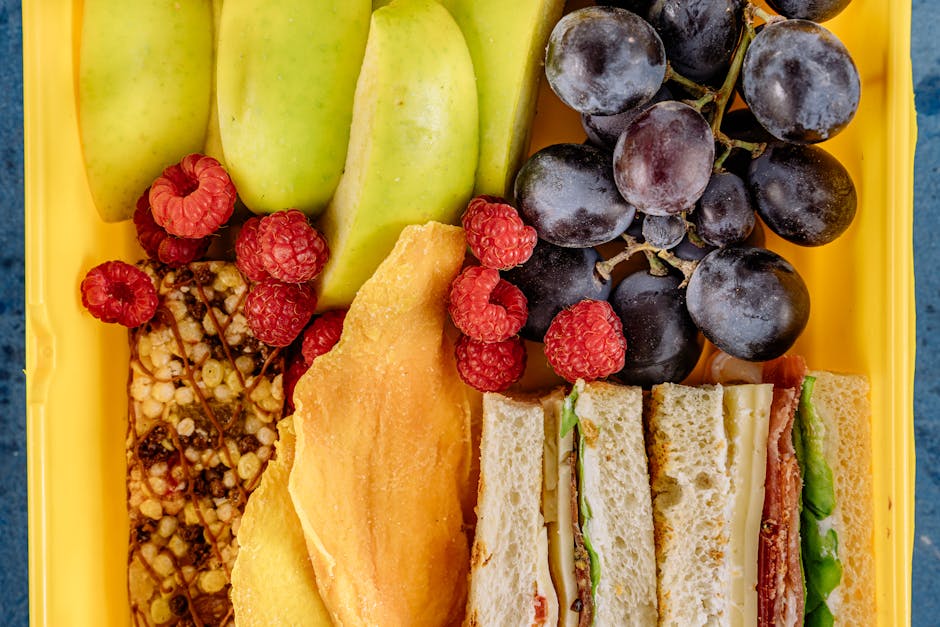
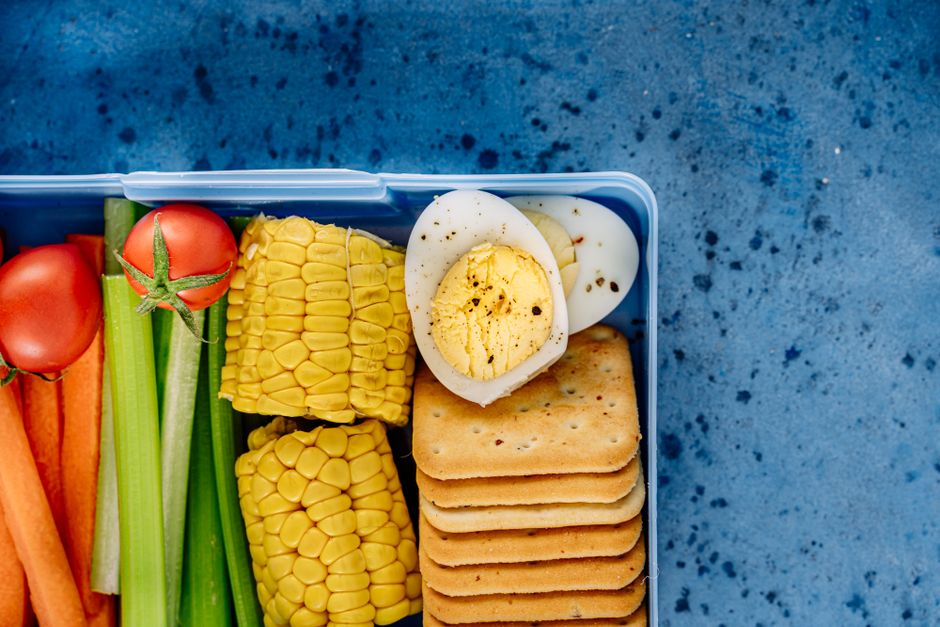
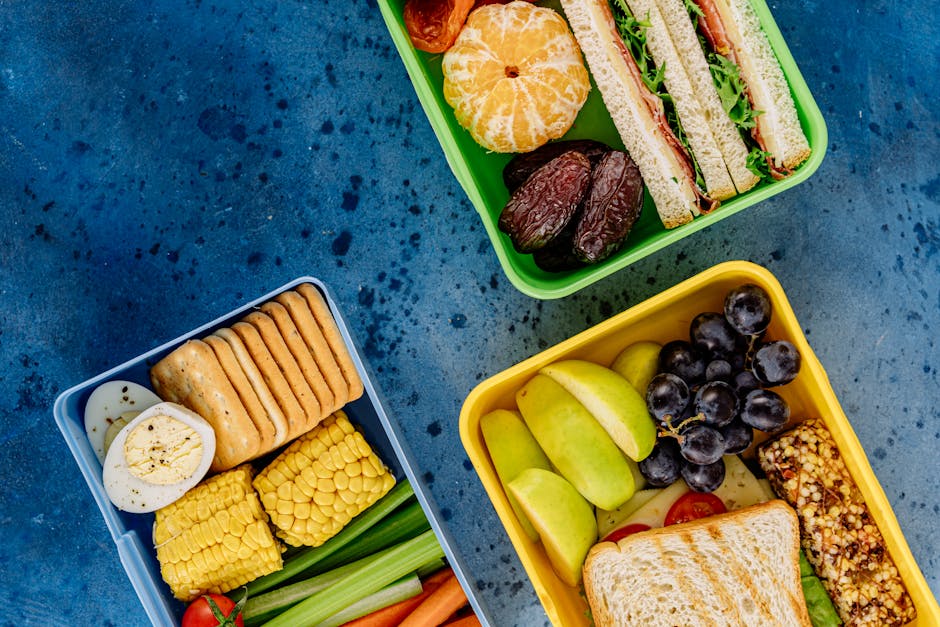
Granola bars (Clif Bars, Kind Bars, Larabars). Oatmeal cups (just-add-hot-water style). Bagels and cream cheese (most Disney rooms have small fridges). Fruit (bananas, apples, oranges). Boxed cereal and shelf-stable milk. Yogurt cups (refrigeration-friendly). Coffee/tea bags (in-room coffee makers exist at most resorts).
Where to Buy in Orlando
Publix grocery store (free private shuttles available; multiple locations near Disney). Garden Grocer (delivery service to Disney resorts; 24-hour minimum). Instacart, Shipt, Amazon Fresh (delivery to Disney rooms). Total grocery cost for family of 4 on 5-day trip: $80–$120. Total Disney breakfast savings: $200–$400. Net savings: $80–$280.
The Refrigerator Reality
Most Disney Resort hotel rooms include small refrigerators. Disney Vacation Club villas include full kitchens. Off-property hotels typically have refrigerators. Off-property vacation rentals have full kitchens. Verify your hotel’s refrigerator capacity before grocery shopping.
Hot Water Access
Most Disney rooms have in-room coffee makers (provide hot water for oatmeal, tea). Resort food courts have hot water stations. Quick-service restaurants will provide hot water upon request.
Strategy 2: Use Refillable Water Bottles
Disney bottled water costs $4.50 each. A family of 4 buying 2 bottles per person per day spends $36/day on water alone — $180 over a 5-day trip.
How It Works
Bring reusable water bottles for each family member. Disney quick-service restaurants give free water cups upon request. Refilling stations exist at many fountain stations throughout parks. Pack water bottles in your park bag or daypack.
What This Saves
Family of 4: $30–$50/day on water alone. Over 5 days: $150–$250 in savings.
Free Cup of Water at Restaurants
Just ask. Cast members fill them with ice water. No purchase required.
Strategy 3: Share Large Portions
Disney quick-service portions are typically large enough for one adult plus a young child to share. Many adult portions can comfortably feed two adults if neither is particularly hungry.
Specific Sharing Examples
Liberty Tree Tavern’s family-style platters: built for 4-person sharing. Be Our Guest’s open-faced sandwich: feeds 1.5 adults. Skipper Canteen’s main entrees: large enough to share for lighter eaters. Sci-Fi Dine-In Theater’s burgers: oversized; share with kids’ meals. Tony’s Town Square spaghetti: traditional portion for 1 adult, shareable with snack.
What This Saves
One shared adult meal vs two adult meals saves $25–$40 per meal. Family of 4 sharing strategically across 3 meals/day saves $30–$60/day.
Adult-and-Kid Sharing
One adult plus one child sharing a single adult meal often delivers more food than the child needs. The combined cost: adult meal $25 vs adult meal + kids meal $35. Savings: $10/meal.
Strategy 4: Use Mobile Order Aggressively
Mobile order doesn’t directly save money but saves time. The time savings prevent costly default decisions: skipping line and going to a full-service restaurant, buying overpriced snacks, etc.
How It Works
My Disney Experience app. Select restaurant. Customize order. Choose pickup window. Pay. Arrive at restaurant during window. Tap “I’m here.” Pick up order at designated mobile-order window. No standby line.
What This Saves
30–60 minutes of standby ordering time per meal. Time saved is time spent on attractions, character experiences, or rest — not on additional food spending.
The “Time Cost” of Standby
Standing in 30+ minute lunch lines while hungry kids ask for snacks costs $10–$20 in unplanned food purchases. Mobile order eliminates this.
Strategy 5: Skip the Disney Dining Plan (Unless Qualifying)
The 2026 Disney Dining Plan ($98.59 per adult per night) is a small loss for most families paying out of pocket UNLESS you qualify for the Kids Eat Free promotion (kids ages 3–9 eat free when adults purchase).
When the Plan Saves Money
Family with 2 adults + 2 kids ages 3–9 on a 5-night trip: $985.90 with plan vs $1,500–$1,700 paying out of pocket. Net savings: $500–$700.
When the Plan Loses Money
Family with 2 adults + 2 tweens/teens (ages 10+): $1,971.80 with plan vs $1,400–$1,600 paying out of pocket. Net loss: $400–$500.
When the Plan Is Break-Even
Couples and adults-only groups: $986 (2 adults x 5 nights) vs $800–$1,200 paying out of pocket. Variable, slight risk of small loss.
Read Our Full Analysis
Read our Disney Dining Plan 2026 worth-it analysis for detailed math by trip type.
Strategy 6: Eat Off-Property Meals
Off-property dining at non-Disney restaurants costs 30–60% less than equivalent quality at Disney. For multi-day trips, planning 1–2 off-property dinners saves significantly.
Where to Eat Off-Property
Disney Springs has restaurants outside the Dining Plan (Morimoto Asia, The Boathouse, STK, Wine Bar George — operated by non-Disney restaurant groups). Prices similar to Disney signatures but often better quality and full bar offerings. Read our Best Table Service at Disney World guide.
Off Disney property: Cooper’s Hawk Winery & Restaurants (Lake Buena Vista). Houston’s (multiple locations). Mango’s Tropical Café (International Drive). Local Lake Buena Vista chains: Olive Garden, P.F. Chang’s, BJ’s Brewhouse.
Strip-mall classics in Lake Buena Vista: Bahama Breeze, Yard House, Maggiano’s Little Italy, Boston Market.
What This Saves
Family of 4 dinner at Disney signature ($300+) vs equivalent quality off-property ($150–$200). Net savings: $100–$150/dinner.
Strategy 7: Snack-Hop at EPCOT Festival Booths
EPCOT festivals (Festival of the Arts, Flower & Garden, Food & Wine, Festival of the Holidays) include 20+ international food booths around World Showcase. Items typically $4.50–$10 each.
The Math
Sample 5–8 different international booths during a single visit. Total cost per person: $30–$60. Compare to a single signature dinner: $80–$140. Net savings: $30–$80 per person.
The Experience Bonus
Snack-hopping is also more interesting than committing to one restaurant. You experience multiple cuisines, learn about different countries, and have varied food throughout the visit.
Best Festival for This Strategy
EPCOT Food & Wine Festival (August 27 – November 21, 2026) has the most booth variety. EPCOT Festival of the Arts (January–February) has the most creative presentations. Read our EPCOT complete guide.
Strategy 8: Use Refillable Mugs at Resort
Disney Resort hotel guests can purchase a Refillable Mug for $25 per stay. Unlimited refills at resort beverage stations for the duration of the stay.
What This Saves
Resort drink station beverages otherwise cost $4.50–$5.50 each. A family of 4 drinking 3 beverages per day at the resort: $54–$66/day. Over 5 days: $270–$330. With refillable mugs ($100 for 4): savings $170–$230.
How to Use the Mug
Fill at resort food courts and quick-service restaurants. Coffee, tea, soda, hot chocolate, and water all included. Cannot be used in parks or at Disney Springs.
Strategy 9: Choose Value-Tier Table Service
Not all table service is equally priced. Strategic choices save significant money.
Value Table Service Options
Liberty Tree Tavern (Magic Kingdom): all-you-can-eat Thanksgiving dinner. $59 adult, $36 child. Effective per-person cost lower than equivalent à-la-carte.
Skipper Canteen (Magic Kingdom): high-quality international fusion. $40–$80 per adult vs $80–$140 at signatures.
Whispering Canyon Cafe (Wilderness Lodge): all-you-can-eat skillet. $50–$70 per adult.
50’s Prime Time Café (Hollywood Studios): themed casual dining. $40–$70 per adult.
Boatwright’s Dining Hall (Port Orleans Riverside): casual Cajun. $35–$55 per adult.
Sebastian’s Bistro (Caribbean Beach): Caribbean casual. $35–$55 per adult.
What This Saves
Choosing value table service over signature dining saves $30–$70 per adult per meal. Family of 4 on a 5-day trip switching from 4 signature dinners to 4 value dinners saves $400–$700.
Strategy 10: Skip Pricey Upcharges
Disney has dozens of “premium experiences” that cost extra and rarely deliver proportional value.
Common Pricey Upcharges
Cinderella’s Royal Table dinner ($85+ prepayment): princess dining at Magic Kingdom. Worth it once for the castle experience; skip if budget-constrained.
Hoop-Dee-Doo Musical Revue (~$80 per adult): family dinner show. Some find it worth the experience; many find it overpriced.
Mickey’s Backyard BBQ (varies, runs select dates): family-style outdoor dinner. Premium pricing.
Spirit of Aloha Luau (varies): Polynesian-themed luau dinner show. Premium pricing.
Bibbidi Bobbidi Boutique princess makeover ($85–$450 per child): Disney princess transformation experience. Hugely variable value.
Pirate’s League pirate makeover ($40–$80): pirate-themed transformation.
Savings From Skipping
Each premium upcharge skipped saves $80–$450 per family. Compounding effect across multiple upcharges can save $500–$1,500 per trip.
Strategy 11: Use Free PhotoPass Includes
If you’ve purchased Memory Maker (PhotoPass), photos are included free at all participating restaurants and PhotoPass locations. Some restaurants offer free PhotoPass photographer visits during your meal.
What This Saves
Individual restaurant photos otherwise cost $20+. With Memory Maker ($169), all photos included. Savings depend on photo volume but typically $200–$400 over a multi-day trip.
Strategy 12: Drink Smart at Bars
Disney’s specialty cocktails run $14–$22 each. Disney Springs and resort bars have similar pricing.
Strategies for Drinkers
Skip cocktails entirely (saves $14–$22/drink). Order beer instead ($9–$14). Drink at resort bars (slightly cheaper than park bars typically). Use the Disney Dining Plan’s alcoholic beverage inclusion (one alcoholic beverage per meal credit at table service for guests 21+).
What This Saves
Skipping 2 cocktails per day for a couple over 5 days saves $140–$220.
Strategy 13: Use the Free Snack Credits Wisely (If on Plan)
The Disney Dining Plan includes one snack credit per night per guest. Use them at the highest-value items.
Best Snack Credit Redemptions
Dole Whip ($6.50). Mickey Premium Ice Cream Bar ($6.25). Specialty croissants at Les Halles Boulangerie ($6.50). Premium festival booth items (look for snack symbol on menu).
Worst Snack Credit Redemptions
Bottled water ($4.50). Bag of chips ($4). Standard cookies ($3–$4). These items have low retail value; better to use credits at higher-value items.
What This Saves
Strategic snack credit use captures $5+ in value per credit vs $3–$4 for casual use. Family of 4 on 5-night plan saves $20–$40 from this optimization alone.
Strategy 14: Plan One Restaurant Per Day
Don’t book 3 sit-down restaurants per day. The math doesn’t work, even on the Dining Plan.
Optimal Daily Eating Pattern
Breakfast: from grocery supplies in your room (or skip if not hungry). Lunch: quick-service at a park, $14–$22 per adult. Snack: 1 specialty snack/treat ($5–$8). Dinner: table service, $40–$80 per adult depending on tier.
Total Daily Food Cost (Family of 4)
Breakfast (from supplies): $5/day. Lunch (quick service x4): $60–$80. Snack: $20. Dinner table service x4: $160–$320. Total: $245–$425/day. Compare to “all in-park dining all day”: $360–$600/day. Net savings: $115–$175/day.
Strategy 15: Consider the Quick-Service-Only Dining Plan
The Quick-Service-Only Dining Plan ($60.47 per adult per night) is sometimes a better value than the Standard Plan for families who don’t plan to eat at table service.
What’s Included
2 quick-service meals per night. 1 snack per night. 1 refillable mug per stay.
2026 Kids Eat Free Promotion
The Quick-Service Only Plan includes the 2026 Kids Eat Free promotion (kids 3–9 free with adult purchase). Family of 2 adults + 2 kids on 5-night trip: $604.70 vs $800–$1,000 out of pocket. Net savings: $200–$400.
Strategy 16: Eat Lunch When Less Crowded
Mobile order pickup windows fill at peak meal times. Off-peak meal times reduce stress and save the time-equals-money calculation.
Optimal Eating Times
Breakfast: 7:30–9:30 a.m. (avoid post-rope-drop crowds). Lunch: 11:00–11:30 a.m. (early lunch) OR 2:00–2:30 p.m. (late lunch). Dinner: 4:30–5:30 p.m. (early dinner) OR 7:30–8:30 p.m. (late dinner).
Time Saved
20–40 minutes per meal, which translates to $20–$40 in unplanned snack purchases avoided.
Common Disney Food Money Mistakes
Mistake 1: Eating All Meals In-Park
Disney quick-service breakfast: $14–$18 per adult. Disney quick-service lunch: $18–$25 per adult. Disney table-service dinner: $45–$90 per adult. Family of 4: $300+/day on food alone, all in-park.
Mistake 2: Buying Bottled Water
$4.50 per bottle x 2 bottles per person per day = $36/day for family of 4. Bring water bottles instead.
Mistake 3: Buying the Disney Dining Plan Without Math
The Plan saves money for families with kids 3–9. The Plan loses money for couples, adults-only groups, and families with tweens/teens. Run the math.
Mistake 4: Trying Every Specialty Item
Disney has dozens of “limited time” specialty foods. Each costs $7–$15. Sampling all of them adds up to $100–$200 per trip. Pick 2–3 must-try items; skip the rest.
Mistake 5: Ignoring Refillable Mugs at Resort
$25 per stay buys unlimited soft drinks. Ignoring this and buying drinks à-la-carte costs 4–6x more.
Mistake 6: Booking Multiple Signature Restaurants
Each signature dinner: $80–$140 per person. Booking 3 signature dinners per family of 4 across a 5-day trip: $1,000–$1,400+ on dinner alone. Mix value and signature for better balance.
Mistake 7: Adding Extra Charges to Mobile Orders
Disney’s quick-service items have customization options. Many additions are free; others cost $1–$5. Verify before tapping “add to order.”
Mistake 8: Ignoring Walk-Up Availability
Last-minute table service walk-ups are sometimes available. Check the My Disney Experience app daily.
FAQ: Save Money on Disney World Food 2026
What’s the cheapest way to eat at Disney?
Bring breakfast supplies, use refillable water bottles, share quick-service portions, eat one off-property dinner, choose value-tier table service.
Can I bring outside food to Disney World?
Yes. Disney allows outside snacks, meals, and reusable water bottles in all theme parks. Coolers permitted (no glass containers, no alcoholic beverages).
How much should I budget for food at Disney?
$140–$280/day per family of 4 (with cost-saving strategies). $300–$500/day per family of 4 without strategies. Choose your level.
Is the Disney Dining Plan worth it?
For families with kids 3–9 in 2026 (Kids Eat Free promotion): yes. Otherwise: usually not. Read our Disney Dining Plan analysis.
How much does Disney quick service cost?
Adult breakfast: $14–$18. Adult lunch: $18–$22. Adult dinner: $14–$25. Children’s meals: $8–$14.
Can I refill water bottles at Disney parks?
Yes. All quick-service restaurants provide free water cups. Many fountain stations have refillable bottle access.
What’s the best value table-service restaurant at Disney?
Liberty Tree Tavern (all-you-can-eat at Magic Kingdom). Skipper Canteen (international fusion at Magic Kingdom). Whispering Canyon Cafe (all-you-can-eat at Wilderness Lodge). Boatwright’s (casual Cajun at Port Orleans).
Should I skip breakfast in the parks?
Generally yes. Disney quick-service breakfast costs $14–$18 per adult, $8–$14 per child. Bringing breakfast supplies saves $40–$60/day for family of 4.
Is the Disney refillable mug worth $25?
Yes for stays of 4+ nights. Resort drink station beverages would otherwise cost $4.50+ each. Net savings $50–$200 over a longer stay.
Should I plan signature dining for budget trips?
Limit signature dining to 1 per trip for budget-conscious families. Use it for a special occasion. Choose value table service for other meals.
How do I save on Disney drinks and snacks?
Pack snacks (granola bars, fruit). Use refillable water bottles with free water cups. Skip $14+ specialty cocktails; choose beer or non-alcoholic options. Snack-hop at EPCOT festival booths during festival periods.
Can I cook in my Disney hotel room?
Limited. Disney Resort hotel rooms (Value, Moderate, Deluxe) have small refrigerators and microwaves. Disney Vacation Club villas have full kitchens. Off-property hotels typically have refrigerators. Off-property vacation rentals have full kitchens.
What a Full Day of Budget Disney Eating Looks Like
The strategies above are easier to trust when you see them add up across a single day. Start with breakfast in the room: cereal, fruit, and bagels bought from an off-property grocery or delivered to your resort. For a family of four that runs roughly $5 to $8 total, against the $60 or more the same breakfast would cost at a table-service restaurant inside the parks.
For lunch, order one quick-service adult combo per two people and split it. Disney’s counter-service portions are large, and a shared entrée plus a kids’ meal or a snack keeps a family fed for well under what four separate combos would run. Refill water bottles at any counter for free instead of buying $4 bottled drinks, and carry a few packed snacks from home to cover the mid-afternoon slump without a $6 churro per kid.
Save the one real sit-down meal for dinner, and choose a value-tier table-service restaurant rather than a signature one. You still get the air-conditioned break and the experience at half the per-person cost of the premium options. Handled this way, a family of four can eat comfortably on roughly $60 to $90 a day, compared with the $200 to $300 the same family spends eating every meal inside the parks without a plan. Over a five-day trip, that single habit is worth more than $700.
Final Word
Walt Disney World food spending is the single most controllable line item on a Disney vacation. The difference between a budget-conscious family eating well and a default family overspending is $50–$150 per day, $250–$1,000 per week. Bring breakfast supplies. Use refillable water bottles. Share large portions. Choose value-tier restaurants for some meals. Eat one off-property dinner. Use Mobile Order. Skip pricey upcharges. Run the math on the Dining Plan before buying. With the strategies in this guide, your Disney food budget can be cut nearly in half compared to a family that defaults to convenience options. The savings can be redirected to better tickets, better hotels, or better experiences — or simply pocketed for the next Disney trip.
More Disney Budget Guides
Read our complete Orlando theme parks on a budget guide for broader cost-saving strategy, our Disney Dining Plan 2026 analysis, our best quick service Disney World guide for quick-service strategy, our best table service Disney World guide for table-service decisions, and our Orlando vacation cost guide for total trip budgeting. A sibling article on cheap Orlando vacation deals: booking strategies is coming next in our content plan.