What you put in your park bag and your suitcase determines whether you have a great day at the Orlando theme parks or a miserable one. I have watched grown adults limp out of Magic Kingdom at 2pm because they wore brand-new shoes. I have stood in line behind families who got turned away at Universal’s bag check because their wheeled cooler was four inches too big. I have spent $14 on a Disney poncho during a thunderstorm that I could have packed from home for a dollar. Every one of those mistakes is avoidable.
This is the packing list I would hand a friend flying into Orlando tomorrow. It is opinionated, it assumes you actually want to use what you pack, and it covers the part most articles skip entirely: the long list of things both Disney and Universal will refuse to let you bring through the gate. Pack with this list and you will spend your trip riding rides, not standing at security re-arranging your backpack.
Orlando Theme Park Packing List: The Quick Answer
If you only read one section of this article, here are the ten things you absolutely need in your park bag every single day in Orlando:
- Refillable water bottle (32oz minimum) – both Disney and Universal give free ice water at any counter-service location
- Portable phone charger with cable – 10,000 mAh or larger
- Sunscreen – SPF 50+, mineral if your skin is sensitive, in a travel-size bottle under 3oz
- Sunglasses and a hat with a brim – a baseball cap is fine, a wide brim is better
- Rain poncho packed in its original sleeve – one per person, not the giant $14 one from the park
- Snacks – protein bars, trail mix, fruit pouches; both parks allow outside snacks
- Hand sanitizer and wet wipes – one travel pack of each
- Cash, one credit card, and your ID – that is it, leave the rest in the hotel safe
- Park tickets – on your phone in the official app, plus a screenshot backup
- Any daily medications – in original labeled bottles, never loose
That is the entire core kit. It fits in a sling bag or small backpack and weighs less than four pounds. Everything else in this article is an addition or substitution depending on who you are traveling with and what season you are visiting. For broader trip planning, start with our Orlando theme parks guide or our first-time visitor primer.
The Park Bag: What to Carry Inside the Parks Daily
Your park bag is not your suitcase. It is the small bag you carry from your hotel into the park each morning, and what you put in it directly affects how much you enjoy the day. Pack too light and you will be miserable when the afternoon storms hit. Pack too heavy and your shoulders will give up by lunch. Here is what actually earns a spot in the bag.
Water Bottle
Bring a refillable insulated bottle. Florida heat will turn warm water disgusting in about ninety minutes, and insulation buys you the entire day. A 32oz bottle is the sweet spot – big enough to last between refills, small enough not to weigh you down. Both Disney and Universal will fill your bottle for free at any counter-service location if you ask, and Disney parks have filtered water bottle filling stations near most restrooms. Buying bottled water inside the park costs $3.99 to $4.99 per bottle. A family of four drinking three bottles each, six days in a row, will spend over $300 on water alone. That is a Bibbidi Bobbidi Boutique appointment you just gave up.
Skip glass bottles. They are prohibited at Disney parks (with narrow exceptions for baby food and small perfume bottles) and will get you sent back to your car at security.
Sunscreen
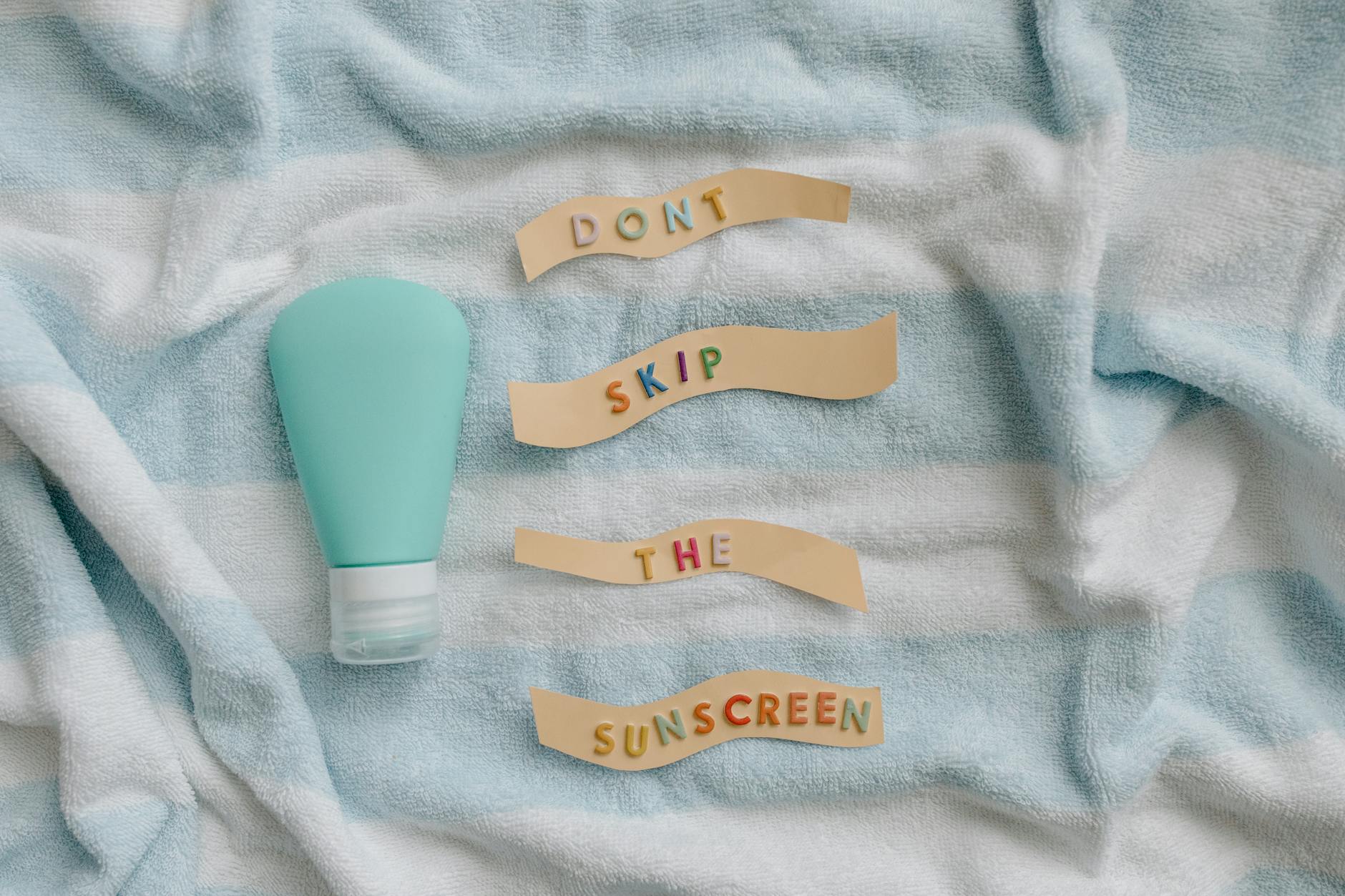
SPF 50 or higher, broad-spectrum, and travel-sized so it fits in your bag. Florida sun in May through September is genuinely punishing – I have watched people get second-degree burns on their shoulders at Volcano Bay because they applied sunscreen once at 9am and assumed they were good for the day. You are not. Reapply every two hours, and reapply every time you get off a water ride.
If your skin reacts to chemical sunscreens, pack a mineral (zinc oxide) formula. If you are heading to Volcano Bay, Typhoon Lagoon, or Blizzard Beach, bring reef-safe sunscreen – it is not legally required in Florida, but it is the right choice and the water parks recommend it. Pack one big bottle in your suitcase for morning application and a small travel-size in your park bag for top-ups. Buying sunscreen inside the parks runs $18 to $24 for a small bottle. Buy it at a CVS on the drive in.
Portable Phone Charger
This is the single most important non-obvious item in your bag. Modern theme park days are run almost entirely through your phone. At Disney, the My Disney Experience app handles Lightning Lane bookings, mobile food orders, PhotoPass, dining reservations, and park maps. At Universal, the Universal Orlando Resort app handles Virtual Lines, mobile orders, and Express Pass. Add photos, video, and group texting and your battery will die by 2pm. I have seen this happen to first-timers every single trip.
Get a 10,000 mAh power bank minimum, 20,000 if you are sharing across a family. Pack the charging cable. If you forget either, Disney sells FuelRods (rentable swappable batteries) at kiosks throughout the parks for $30 to start, and Universal has similar stations – serviceable, but you are paying triple what a decent power bank costs on Amazon.
Cash and Cards
One credit card, your ID, and about $40 in cash is plenty. Disney and Universal are almost entirely contactless. MagicBand+ (Disney) and the Universal Pay-by-Wrist system tied to your hotel charge directly to your room. Apple Pay and Google Pay work everywhere. The only places you will genuinely need cash are tipping housekeeping, tipping bag-handlers, and the occasional cash-only food cart on International Drive.
Do not bring your entire wallet. Leave it in the hotel safe with your passport and the credit cards you are not using. If your wallet gets stolen or falls out of your pocket on Expedition Everest, you want the damage contained to one card you can cancel from your phone.
Sunglasses and a Hat
Cheap sunglasses, not your $300 Maui Jims. They are going to get lost, sat on, or knocked off your face by a launch coaster. Bring a backup pair if you wear prescription sunglasses. A baseball cap is the minimum; a wide-brim or bucket hat covers your ears and neck, which is the difference between mild discomfort and a peeling sunburn three days into your trip.
Compact Umbrella or Rain Poncho
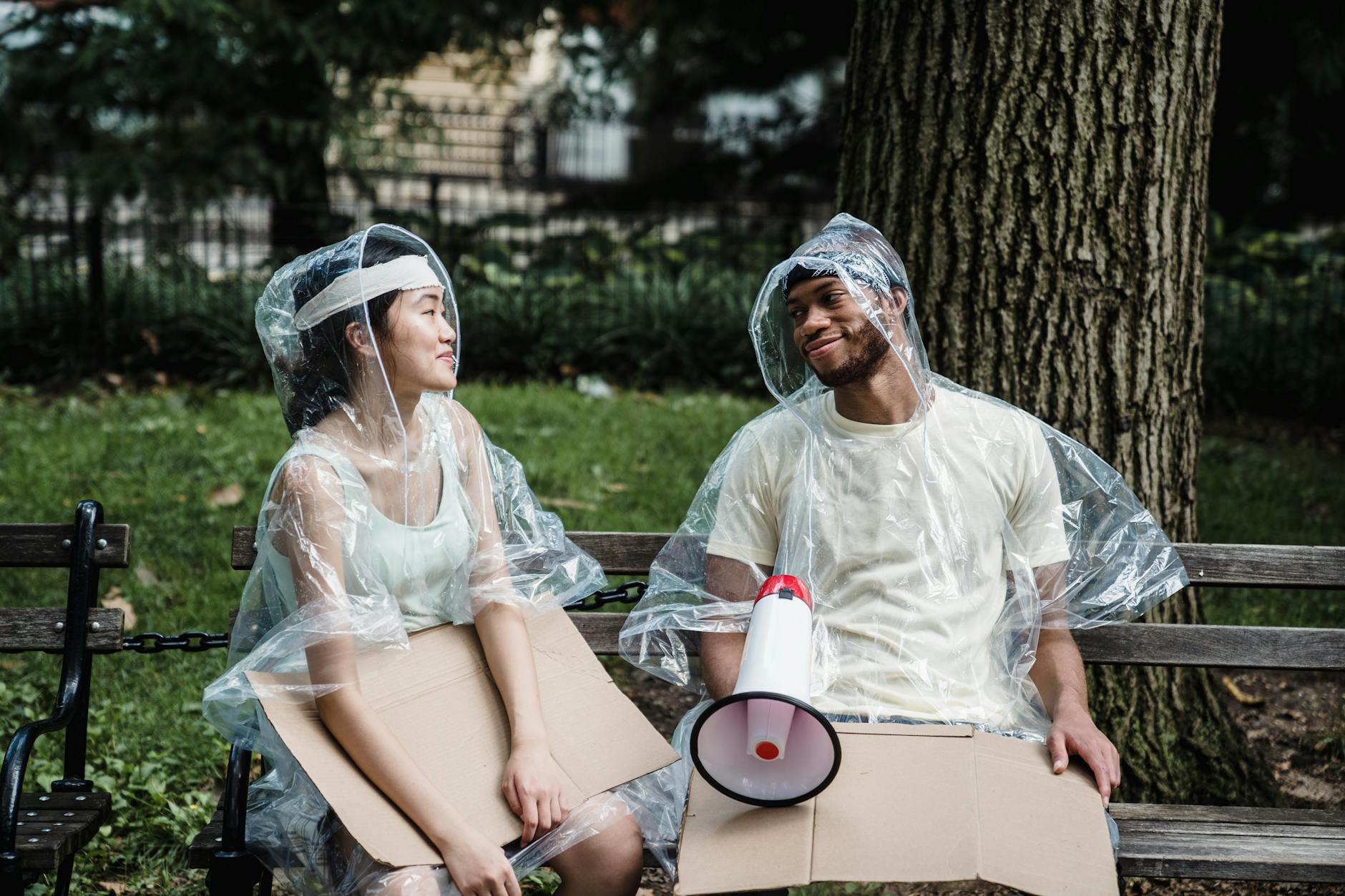
From late May through early October, Orlando has a thunderstorm almost every single afternoon, usually between 2pm and 5pm. They are short – twenty to forty minutes – but they are torrential, and they will soak you completely if you are caught without rain gear. Pack a $1 disposable poncho per person from a dollar store. The same poncho costs $12 to $14 inside the parks. If you prefer reusable, the slim packable rain jackets from outdoor brands fold down to fist-sized and last forever.
An umbrella works if it is small and you are not riding rides during the storm. If you plan to keep moving, a poncho is better because it leaves your hands free, covers your bag, and you can wear it while standing in queue.
Snacks
Both Disney and Universal explicitly allow outside snacks. Pack granola bars, fruit pouches, beef jerky, trail mix, crackers, pretzels, and dried fruit. Anything shelf-stable, non-messy, and individually portioned. The reasons are practical: kids melt down when they are hungry, character meal seatings are often hours apart, and a quick service entree at Magic Kingdom now runs $14 to $19 per person before drinks. Two granola bars at 10am can save you from a $30 lunch line at 11.
What you cannot bring: anything that requires heating or refrigeration to be safe, alcoholic beverages, and food in glass containers. Loose ice is also banned, but reusable ice packs in soft-sided coolers are fine within size limits (more on that below).
Wet Wipes and Hand Sanitizer
One travel pack of wet wipes and a small bottle of hand sanitizer. Theme park restrooms run out of soap, kids get cotton candy everywhere, and counter-service restaurants do not always have napkins on the tables anymore. Wipes also work for cleaning down a seat after a rain shower so you do not sit in standing water.
Medications
Anything prescription should be in its original labeled bottle. Over-the-counter, pack a small kit: ibuprofen, antihistamine, antacid, Band-Aids, blister patches (Compeed or similar – non-negotiable), and any motion-sickness medication you might need before Mission: SPACE or Harry Potter and the Escape from Gringotts. If anyone in your group is prone to migraines or allergies, pack their rescue medication. Disney and Universal have first aid stations, but they cannot dispense prescription meds and the over-the-counter selection is limited.
ID and Tickets
Adults need a government ID on them – it is required for alcohol purchases at Epcot’s Food and Wine Festival and the Universal CityWalk bars, and security may ask for it. Park tickets should be loaded into your park app before you leave the hotel. Take a screenshot of the ticket QR code as a backup; if the app crashes or your signal drops at the gate, the screenshot still scans. Annual passholders should have their AP on the app and bring the physical card if they have one.
Park Bag Essentials by Season
Your base kit stays the same year-round, but a few items rotate based on when you visit. Florida has two real seasons – hot-and-wet and warm-and-dry – and Orlando is in the parts of the country where “winter” still means highs in the 70s most days.
| Season | Add to Park Bag | Remove or Reduce |
|---|---|---|
| Summer (June-September) | Extra sunscreen, cooling towel, two ponchos per person, electrolyte packets, swimsuit under clothes for water rides | Long sleeves, light jacket |
| Winter (December-February) | Light jacket or fleece, beanie, gloves for early-morning rope drop in January cold fronts | Multiple ponchos (less rain), cooling towel |
| Shoulder (March-May, October-November) | One light layer, single poncho | Heavy jacket, winter accessories |
Summer specifically requires more aggressive hydration and sun strategy. Pack electrolyte packets (Liquid IV, LMNT, or generic equivalents) and add one to every other bottle of water. The combination of 95-degree heat, walking 18,000 steps a day, and standing in queues is dehydrating in a way most travelers underestimate. For deeper summer strategy, see our guide to Orlando theme parks in summer.
Winter is its own challenge. Orlando in January and February runs cold fronts that drop morning temperatures into the 40s, sometimes 30s overnight, before warming into the 70s by afternoon. You will start the day in a fleece and end it in a t-shirt. The trick is packing layers you can carry comfortably in your bag once you shed them – which means a packable jacket, not a parka. Our January and February guide covers the temperature swings in more detail.
Clothing for Orlando Parks
The biggest packing mistake I see is people bringing the wrong clothes – either too dressy because they are picturing Disney as a “vacation” and packing accordingly, or too generic because they are picturing Disney as a single climate zone. Neither is right. Orlando theme parks are casual, hot, and physically demanding. Dress like you are going on a long hike, not a cruise.
Summer Clothing (June-September)
Moisture-wicking athletic fabrics only. Cotton holds sweat and turns into a wet rag by 10am; synthetic athletic shirts and quick-dry shorts will keep you dramatically more comfortable. Light colors reflect heat – I cannot count how many people I have seen rope-drop Magic Kingdom in a black Star Wars t-shirt and regret it by Adventureland.
- Two athletic t-shirts or tank tops per park day
- Quick-dry athletic shorts (with pockets – this matters more than it sounds)
- Athletic underwear and socks (no cotton)
- A swimsuit under your clothes if you are riding any water ride – Splash Mountain’s replacement Tiana’s Bayou Adventure, Kali River Rapids, Popeye and Bluto’s Bilge-Rat Barges, or Jurassic Park River Adventure
- One light long-sleeve or UPF shirt for severe sunburn risk days
Winter Clothing (December-February)
Layers. The difference between an Orlando winter morning and Orlando winter afternoon can be 25 degrees, and you have to wear (or carry) everything in between. A typical January day:
- Base: moisture-wicking long-sleeve t-shirt
- Mid: lightweight fleece or quarter-zip
- Outer: packable rain jacket or light puffy that compresses into your bag
- Bottoms: athletic pants or jeans (jeans are heavy if you are walking ten miles, but fine for casual days)
- Accessories: beanie and lightweight gloves for cold fronts; sunglasses still needed (afternoon sun is strong)
You will probably never need all three top layers at once except at 7am rope drop. By noon, the base layer alone is plenty.
Shoulder Season Clothing (March-May, October-November)
The easiest clothing season. Daytime highs in the high 70s to mid-80s, mornings cool but not cold. Pack as if for summer but add one light layer per day – a thin hoodie, a packable windbreaker, a long-sleeve shirt. Spring break weeks are warmer; late October can flip cold without warning.
Footwear: This Is Not Optional
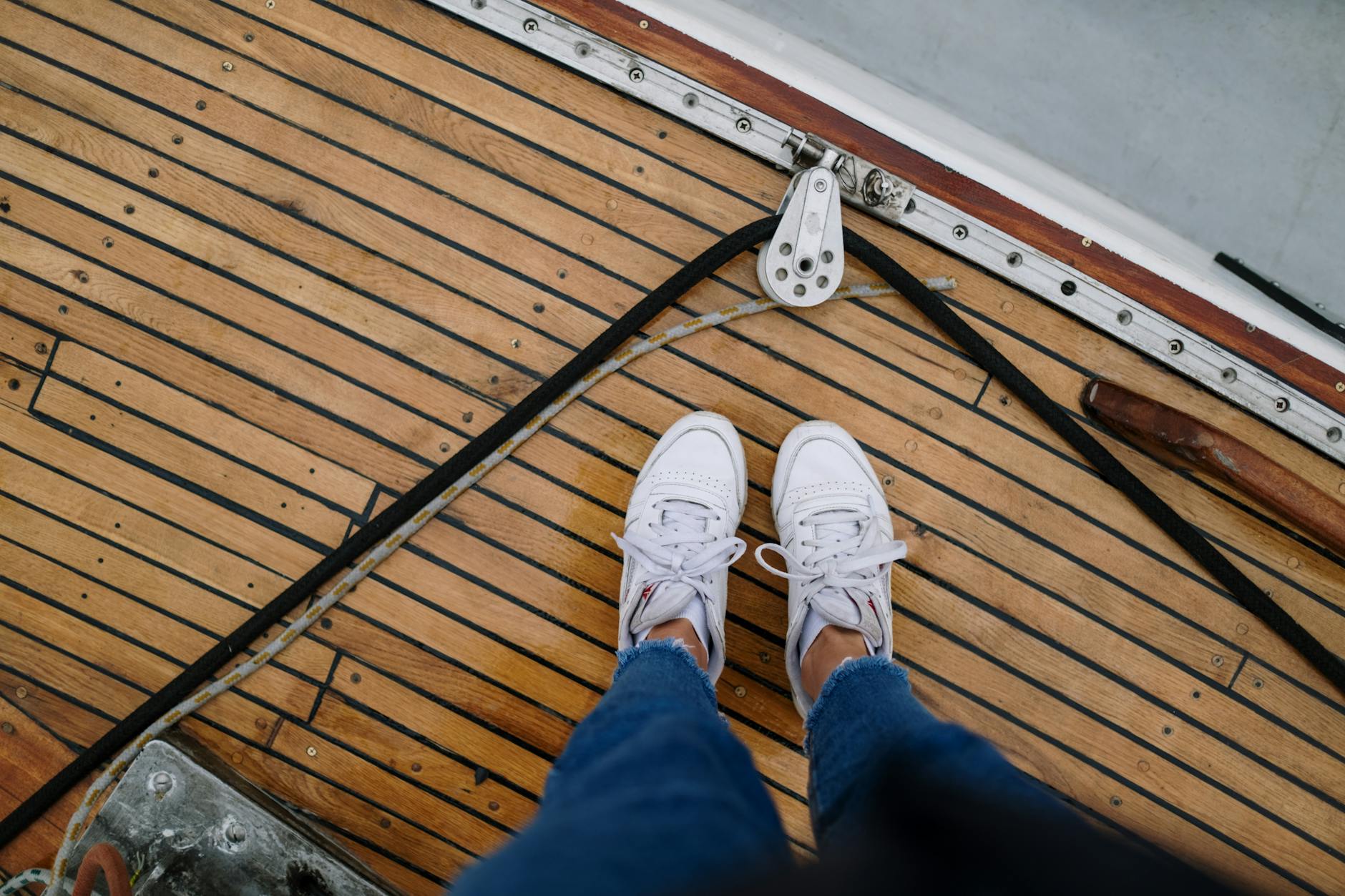
If you do nothing else this article tells you, do this: break your shoes in before the trip. Two weeks minimum, ideally four. Wear them on long walks. Wear them on errands. Find the spots that rub before you find them at hour 7 of Magic Kingdom.
You will walk between 18,000 and 25,000 steps per park day – that is 8 to 11 miles, mostly on concrete and asphalt. Disney park surfaces are not soft. Universal park surfaces are not soft. Your shoes are doing the work of preventing every blister, ache, and limp for the next twelve hours.
What works:
- Trail runners with cushion – Hoka Clifton, Brooks Ghost, ASICS Gel-Nimbus, New Balance 880. Pick one with strong arch support and a roomy toe box.
- Cushioned walking shoes from established athletic brands
- Hiking sandals with backstraps (Teva, Chacos, Keen) – work for water rides AND walking, but only if broken in
- Compression socks if you have any history of swelling, varicose veins, or long flights the day before
What absolutely does not work:
- Brand-new anything. Even the best shoes will tear up your feet if your foot has not adapted to them.
- Flip-flops. No arch support, no toe protection, no traction. Reserve for the hotel pool only.
- Crocs without backstraps. They will fly off on coasters and most ride operators will make you remove them.
- Dress shoes. If you are going to a signature dining experience, pack one nice pair separately. Do not wear them in the parks.
- Old running shoes with worn-out cushion. If you can see the foam compressed, retire them.
Pack two pairs and alternate days. Foot fatigue is cumulative; alternating compresses different parts of your foot and dramatically reduces total soreness.
Suitcase Packing List
Everything above lives in your park bag. The rest of your gear stays in the suitcase or hotel room. Here is how to think about what goes in the big bag.
Days x Outfits Math
For most Orlando trips:
- 1 outfit per park day (you will probably shower and change after returning to the hotel each evening)
- 1 outfit per evening for dinner, CityWalk, or Disney Springs if you go out
- 1 swimsuit per 3 days (more if you are doing dedicated water park days; we will come back to this)
- 1 spare top per 2 park days for sweat-through or food-spill emergencies
- 1 extra full outfit in your carry-on in case your checked bag is delayed
For a typical 5-day Orlando trip with three park days and two pool/rest days, that is 5 athletic outfits, 2 evening outfits, 2 swimsuits, and one backup top. Eleven pieces, total. Stop there. If you are planning trip length, our guide to how many days you actually need in Orlando walks through it.
Swimwear and Pool Gear
- Two swimsuits maximum per person – one to wear, one to dry
- One pair of water shoes if you are visiting Volcano Bay, Typhoon Lagoon, or Blizzard Beach (lava rock surfaces are real, and the queue concrete heats up brutally in summer)
- A microfiber towel for the pool – hotels provide towels but waiting for new ones eats time
- Goggles only if you actually wear them at home; do not buy gear specifically for the trip you will use once
- Waterproof phone pouch for water park days – $8 on Amazon
Toiletries
Mini sizes only. Most decent Orlando hotels provide shampoo, conditioner, body wash, and lotion. Disney Deluxe Resorts use H2O+ products that are perfectly fine. Universal hotels use various brands. You do not need to pack full-size of any of these.
What you should pack:
- Your own toothbrush, toothpaste, deodorant, floss
- Travel-size sunscreen (already in park bag, but pack a backup)
- Razor and shave gel if you need them
- Any specialty hair products or skincare you use daily
- Aloe vera gel – a small bottle, for inevitable sunburn
- Anti-chafing balm (Body Glide or generic) – the underrated hero of theme park trips
- Lip balm with SPF
Pack toiletries in a zip pouch inside a quart Ziploc bag inside your suitcase. If something explodes during pressure changes on the flight, the damage is contained.
Tech and Chargers
- Phone charger (wall plug + cable) for the hotel
- Portable power bank + cable for the park (already in park bag)
- Camera if you use one – and a real charger, not just a USB cable
- Tablet or e-reader for downtime
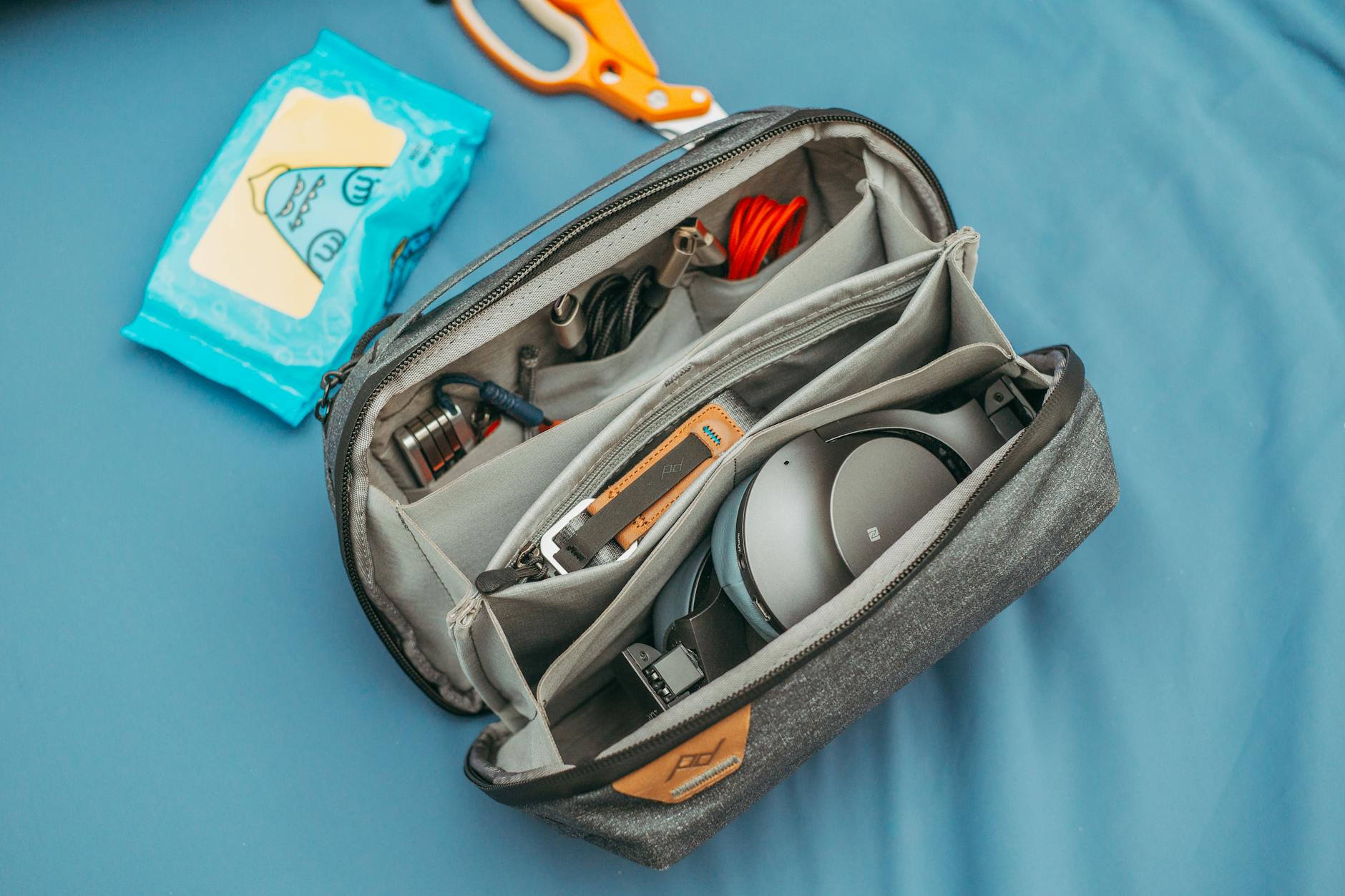
- Headphones – over-ear are great for the flight, earbuds for the parks
- Universal power strip or multi-USB block – hotel rooms never have enough outlets, and one $15 cube solves four people charging at once
Documents and Travel Paperwork
- Driver’s license or passport (both adults if traveling as a couple)
- Hotel confirmation – printed or on your phone
- Rental car confirmation
- Park tickets – in the app + screenshots
- Travel insurance docs and emergency contacts
- Health insurance cards
- A list of any medications and dosages, in case of emergency
Items You Don’t Need (Common Over-Packing Mistakes)
Most over-packers do not need a longer list of essentials – they need permission to leave things home. Here is what to cut.
Giant Backpacks
Leave the 35-liter hiking backpack at home. Disney’s bag check during peak season takes ten to fifteen minutes per person, and your shoulders will be raw by hour six carrying that much weight. Use a sling bag, a small daypack, or a fanny pack. A 12-to-18-liter bag is plenty for everything in the essentials list above.
Tons of Cash
$40 in small bills is more than enough. Both parks are nearly entirely cashless. Carrying $400 in cash just creates loss and theft risk for no upside.
Multiple Pairs of Dress Shoes
One pair, max, and only if you have a signature dining reservation that warrants it (Victoria and Albert’s, Monsieur Paul, Capa). Otherwise, your athletic shoes will pass muster at every theme park restaurant including the steakhouses.
Fancy Outfits
Orlando parks are casual. Cargo shorts and a t-shirt are appropriate at every restaurant outside the handful of upscale signature locations. You do not need to pack a sport coat. You do not need to pack heels. A single “nice casual” outfit per adult is plenty for evenings out.
Stuffed Animals
You will buy at least two. Three if there are kids in your party. Five if you stop at the Build-A-Dragon experience at Diagon Alley. Do not pre-load your suitcase with bulky plush. Leave the space for the merchandise you will inevitably carry home.
More Than Two Swimsuits
Two is enough for any trip. They dry overnight on a hotel hanger or balcony. Three is only justified if you are spending more than four full days at water parks back-to-back, and even then, you are usually fine with two and a hotel hair-dryer assist.
Hairdryers and Irons
Every Orlando hotel above the Motel 6 tier has a hairdryer and an iron. You do not need to pack either.
Beach Towels and Pool Toys
Hotels provide pool towels. Pool toys at Disney and Universal hotels are usually available at the pool, and bringing your own to lug through TSA, the parks, and the hotel is rarely worth the cubic feet they take up.
Items That Are PROHIBITED at Orlando Theme Parks
This is the section most packing articles skip, and it is the one that will save you a thirty-minute walk back to the car. Both Disney and Universal have detailed lists of items they will turn away at the gate. Some are obvious. Many are not. Here is what to leave home.
Banned at Both Disney and Universal
- Weapons of any kind. This includes firearms (no concealed carry, regardless of permit), ammunition, mace, pepper spray, stun guns, and pocket knives. Yes, your Leatherman counts. Yes, your two-inch keychain knife counts.
- Glass containers. Narrow exceptions for baby food and perfume bottles under 4oz; everything else stays at the hotel.
- Wagons (including stroller wagons). Disney banned wagons in May 2019 – this includes Keenz, Veer, Wonderfold, and any other ride-in stroller wagon hybrid. Standard strollers are still allowed within size limits. Universal also does not permit wagons.
- Folding chairs. No, you cannot set up a chair to wait for fireworks.
- Coolers larger than 24″L x 15″W x 18″H (Disney rule; Universal is stricter, see below).
- Loose ice or dry ice. Reusable ice packs in soft-sided coolers are fine.
- Drones and remote-controlled toys. Drone airspace around the parks is restricted by the FAA as well.
- Alcoholic beverages. You cannot bring your own. Buy inside.
- Outside food requiring heating or refrigeration. Shelf-stable snacks are fine. A microwaveable burrito is not.
- Recreational marijuana. Federally illegal, banned regardless of state laws.
Disney-Specific Bans
- Selfie sticks. Banned since June 2015. They will be confiscated at the gate.
- Costumes for guests over 14. Unless it is a special event (Mickey’s Not-So-Scary Halloween Party, Mickey’s Very Merry Christmas Party, runDisney events), adults cannot wear full costumes that could be confused with cast members. “Disneybounding” – wearing regular clothes inspired by a character – is fine.
- Toy blasters and prop weapons. Disney’s 2026 crackdown has tightened on toys that “could be confused with actual weapons,” including Nerf-style blasters and realistic prop swords. Plastic Star Wars lightsabers sold inside the parks are fine; bring-from-home prop weapons frequently get refused now.
- External microphones. Including handheld and shotgun mics mounted to cameras – these are now frequently flagged at Disney security. Smartphone-built-in mics for vlogging are fine.
- Megaphones, whistles, horns, instruments, and other noisemakers.
- Balloons and plastic straws at Animal Kingdom specifically. The animals can get sick from both. Both are allowed at other Disney parks.
- Flags, banners, and signs.
Universal-Specific Bans
- Hard-sided coolers. Universal does not allow any hard-sided coolers in the parks – only soft-sided insulated bags within size limits.
- Any wheeled bag. This is a major difference from Disney. Universal does not allow wheeled suitcases, wheeled coolers, or wheeled backpacks of any size inside the parks. Bring it on rolling wheels, it stays in the car.
- Soft-sided insulated coolers larger than 8.5″W x 6″H x 6″D. This is dramatically smaller than Disney’s cooler allowance and surprises many guests.
- Loose articles on coasters. Universal is more aggressive than Disney about enforcing locker use for VelociCoaster, Hagrid’s Magical Creatures Motorbike Adventure, the Hulk, Mummy, Rip Ride Rockit, and most major coasters. Phones, hats, and even glasses can be required to go in the locker. Bring a sling bag that fits a locker rather than a bulky backpack you will hate stashing.
- Selfie sticks on rides. Universal allows selfie sticks in general but never on rides or attractions. Honestly, just leave it home.
If you are unsure whether an item will pass security, leave it. The walk back to the car is long, the rideshare back to the hotel is expensive, and every minute spent re-packing at the gate is a minute you are not on Rise of the Resistance.
Strollers and Wagons
If you are traveling with kids under 7, you probably need a stroller. The walking is too much for small legs and rental strollers inside the parks are functional but expensive at $15 to $39 per day.
Disney’s current stroller size limit is 31 inches wide by 52 inches long (changed from 36″x52″ in 2019). Most single-child standard strollers and umbrella strollers pass; many double strollers are right at the edge. Measure yours before you fly. Universal does not enforce a strict published size limit but uses the same general guidelines and will turn away anything that obviously cannot fit through queue switchbacks.
Wagons – even ride-in stroller wagons – are completely banned at Disney parks since May 2019. Universal also disallows them. If you have a Veer Cruiser or Keenz at home and were planning to bring it, leave it. Rent a stroller instead.
For a deep dive on stroller choices, sizing, and rentals, see our complete stroller guide for Orlando theme parks.
Special Packing Considerations
The base list works for solo adults and standard family trips, but a few groups need targeted additions.
Traveling with Toddlers
Add to the park bag, per child under 4:
- Diapers (1 per 2 hours minimum, so 5-6 for a full day)
- Travel-size wipes pack
- Two changes of clothes – one for blowouts, one for water-ride soakings
- A small toy or comfort object
- Snacks above and beyond the family kit – pouches, crackers, cereal puffs
- A sippy cup or kids’ water bottle
- Sun hat with chin strap (toddlers throw hats)
- Stroller fan (clip-on, battery-powered) for summer
- A muslin blanket – doubles as a sunshade, picnic blanket, and cleanup rag
Disney provides free baby care centers in each park with changing tables, nursing rooms, a microwave, and basic supplies if you forget. Universal has nursing rooms but is less stocked than Disney’s baby care centers.
Traveling with Teens
Teens carry their own bags. The shift is mostly about phone power – teenagers in theme parks are photo machines and will die-battery faster than anyone else in your group. Make sure every teen has their own power bank. Establish meeting points and times before you separate. Make sure they have one credit card or pre-loaded debit card linked to your group’s Mobile Order for food independence.
Solo Travelers
The biggest advantage of solo travel in Orlando is single-rider lines, which can cut wait times by 60% on every major attraction that offers them (Test Track, Expedition Everest, Millennium Falcon: Smugglers Run, Rock ‘n’ Roller Coaster, most Universal coasters). Pack light. A sling bag is plenty. Your phone is your everything – so your power bank matters even more. A solo traveler can comfortably do an Orlando day with a 6-liter bag containing nothing more than the ten core essentials above.
Older Travelers and Mobility Needs
If you have any concern about walking 8 to 11 miles a day on concrete, rent an ECV (electric convenience vehicle) in advance. Disney and Universal both offer in-park rentals starting around $50/day, but they sell out by 10am most days. Off-site companies like Scooterbug, Buena Vista Scooters, and Gold Mobility deliver to your resort and pick up at the end – same or lower cost, dramatically more reliable.
Add to the park bag:
- Extra water bottle (older travelers dehydrate faster)
- Cooling towel for summer
- UV-protective long-sleeve shirt
- Wide-brim hat with chin strap
- Any cardiac, blood pressure, or daily medication in original labeled bottles
- List of current medications and conditions, printed, in case of emergency
- Compression socks – genuinely helpful for anyone over 50 doing full park days
- A foldable cane or walking stick if you use one (allowed in parks)
Park Bag Recommendations
Three styles of park bag dominate, and each works for a different traveler. Pick one.
Small Backpack (12-18 liters)
The default for families and anyone carrying gear for kids. Look for a daypack with a chest strap, ventilated back panel, and side water bottle pockets. Brands like Osprey, Cotopaxi, and REI Co-op make excellent options under $80. Avoid anything over 22 liters – it is overkill and will get heavy.
Sling Bag or Crossbody
The best choice for solo travelers and adults without kids. Easy to swing around to your front in lines, easy to keep on for rides (most coasters allow secured sling bags), faster through bag check than a backpack. 4-to-8 liter capacity is right. Look for water-resistant material.
Fanny Pack or Belt Bag
Minimalist option for anyone who has truly committed to packing light. Carries phone, wallet, ID, sunscreen, and a portable charger – that is it. Pair with a refillable water bottle that has a carrying strap. Best for half-days or short trips.
Whatever you choose, stay well under the Disney 24″L x 15″W x 18″H size limit and the Universal “no wheels, no hard sides” rules. Wheels save you no time and add hassle in queues, security, and on rides.
Money-Saving Packing Tips
The single fastest way to make an Orlando trip more affordable is packing the things both parks let you bring instead of buying them inside. Here are the highest-leverage moves.
- Refillable water bottle – Free refills at any counter-service location vs. $4 to $5 per bottle inside. Saves a family of four around $40 to $80 per park day.
- Snacks from home – Granola bars, fruit, jerky, crackers. Both parks allow them. Saves $15 to $25 per person per day on lunch upgrades and impulse snack stops.
- Sunscreen from CVS, not the gift shop – $9 at CVS, $22 at the park.
- Ponchos from a dollar store – $1 each vs. $12 to $14 inside Disney.
- Phone charger from Amazon, not FuelRod – $20 for a 10,000 mAh bank you own vs. $30 to start a FuelRod plan plus swap fees.
- Hat and sunglasses from home – Saves $20 to $40 on park souvenirs.
- Wet wipes from home – Disney and Universal do not sell them in convenient travel packs, only large family packs.
- Compression socks – Prevents the foot pain that drives people back to the hotel at 3pm, wasting a touring day.
If you are on a tight budget, our budget guide for Orlando theme parks covers packing as part of a broader cost-cutting strategy.
Disney vs Universal Bag Differences
Most articles cover one resort or the other. Most Orlando visitors do both. Here is a direct comparison.
| Policy | Walt Disney World | Universal Orlando |
|---|---|---|
| Maximum bag size | 24″L x 15″W x 18″H | 24″L x 15″W x 18″H (but no wheels) |
| Wheeled bags allowed | Yes, under size limit | No, never |
| Hard-sided coolers | Yes, under size limit | No, never |
| Soft-sided cooler max size | Within general bag limit | 8.5″W x 6″H x 6″D |
| Selfie sticks | Banned entirely since 2015 | Allowed but not on rides; must be secured |
| Wagons | Banned since 2019 | Banned |
| Outside snacks | Yes, shelf-stable only, no glass | Yes, shelf-stable only, no glass |
| Outside drinks | Yes, no alcohol, no glass | Yes, no alcohol, no glass |
| Costumes (adults 14+) | Banned outside special events | Generally allowed (Halloween Horror Nights has its own rules) |
| Loose items on coasters | Often enforced via baggies or pockets | Strictly enforced – locker use required on most coasters |
| Free locker time | Paid lockers near entrances; no free coaster lockers | Free short-term lockers at major coasters during ride wait |
The single most important difference for packing: do not bring a wheeled bag if you are visiting Universal. It will be turned away at the gate, and Universal does not have on-site bag check storage like Disney does. If you bring one and need it on a Universal park day, plan to leave it at your hotel or in your car.
For deeper resort-specific planning, see our complete Walt Disney World guide and complete Universal Orlando guide.
FAQ
Can I bring outside food and drinks into Disney World and Universal Orlando?
Yes – both parks allow outside snacks and non-alcoholic drinks. The rules: no glass containers, no items requiring heating or refrigeration, no alcoholic beverages, and no items in coolers larger than the published size limits (24″x15″x18″ at Disney, soft-sided only at 8.5″x6″x6″ at Universal). Pack granola bars, fruit pouches, sandwiches, crackers, and refillable water bottles confidently.
What size bag can I bring into the parks?
Both Disney and Universal cap bag size at 24″ long x 15″ wide x 18″ high. Disney allows wheels under that size; Universal does not allow wheels of any kind. Realistically, you want something much smaller – a 12-to-18-liter daypack or a sling bag is far more comfortable.
Are selfie sticks allowed?
Disney banned selfie sticks entirely in June 2015. Universal allows them in general use but never on rides or attractions, and they must be “properly secured.” The honest answer is to leave it home; both parks have PhotoPass-equivalent professional photography on most major attractions.
Can I bring a wagon for my kids?
No. Disney banned wagons (including ride-in stroller wagons like Keenz, Veer, and Wonderfold) in May 2019. Universal also prohibits them. If your kids cannot walk a full park day, you need a regular stroller that fits within the 31″x52″ Disney size limit. Both parks rent strollers daily.
What shoes should I wear?
Cushioned, well-broken-in athletic shoes. Trail runners and walking shoes from Hoka, Brooks, ASICS, and New Balance work well. Avoid flip-flops, dress shoes, brand-new anything, and old shoes with worn-out cushion. Pack two pairs and alternate days to reduce foot fatigue.
Do I need a rain poncho or umbrella?
Yes, especially May through October when afternoon thunderstorms are nearly daily. A $1 disposable poncho from a dollar store works better than a $14 park poncho. Skip the umbrella unless you are using it as a sun shade – ponchos leave your hands free for rides and your bag covered.
How much cash should I bring?
Around $40 in small bills, mostly for tipping housekeeping, bag handlers, and the occasional cash-only outside vendor. The parks themselves are almost fully cashless – Apple Pay, Google Pay, MagicBand+, and credit cards work everywhere. Leave the rest of your wallet in the hotel safe.
What’s the single most overlooked item to pack?
Anti-chafing balm (Body Glide or generic equivalent). Anyone walking 10 miles a day in Florida humidity is at risk of chafing on inner thighs, underarms, or anywhere clothing rubs. A $5 stick applied in the morning prevents trip-ending discomfort. Almost no packing list mentions it, and it is the difference between finishing the day strong and limping back to the bus.
Pack with this list, leave the prohibited items at home, and you can focus on the actual reason you flew to Orlando. Your shoulders, your feet, and your wallet will thank you by day three.