Disney’s Animal Kingdom is the most misunderstood park at Walt Disney World. For two decades, the conventional wisdom has been to treat it as a half-day stop — show up at 9 AM, ride Flight of Passage, knock out the safari, watch a show, eat a steam-table lunch, and leave by 2 PM to “do something else.” That thinking made some sense in 2003. It is wrong in 2026.
The park has quietly become the most layered experience on property. Pandora — The World of Avatar gave it the single best themed land in Florida. Kilimanjaro Safaris is a legitimate two-ride attraction depending on the time of day. Festival of the Lion King is — and I do not hedge this — the best live show inside any Disney park in the country. There are four walking trails most guests never set foot on. And with DinoLand U.S.A. now permanently closed and the new Tropical Americas land under construction, 2026 is an unusual transition year that rewards visitors who know what they are doing and punishes the ones treating it as a glorified zoo.
I have been through the front gate well over fifty times — as a single-day visitor, an annual passholder, with toddlers in strollers, with teenagers who only wanted coasters, in the dead of August, on rainy January Tuesdays, and on the kind of December evenings when the Tree of Life Awakenings stop you in your tracks. This is what I wish someone had handed me before my first visit, written the way a passholder actually talks instead of the way a press release reads.
Animal Kingdom Guide: The Quick Answer
Disney’s Animal Kingdom is a 580-acre theme park at Walt Disney World — the largest of the four Disney parks by land area — anchored by Pandora — The World of Avatar, Kilimanjaro Safaris, Expedition Everest, and the best live show on property, Festival of the Lion King. It is a full-day park in 2026, not the half-day stop it used to be, especially with DinoLand U.S.A. now closed for the new Tropical Americas construction (opening late 2027). The smartest 2026 strategy is to skip Pandora at rope drop, hit Kilimanjaro Safaris and Expedition Everest first while the crowd self-funnels into Flight of Passage, then ride Pandora in the evening when waits drop from 150 minutes to under 60 and the bioluminescent land looks the way Imagineers built it to look. Plan on 10–11 hours, two sit-down meals, and at least two walking trails.
Animal Kingdom Park Overview
Disney’s Animal Kingdom opened on Earth Day — April 22, 1998 — as the fourth gate at Walt Disney World. At 580 acres it is by a wide margin the largest of the four Disney World theme parks: Magic Kingdom is roughly 142 acres, EPCOT around 305, Hollywood Studios about 135. Most of that extra Animal Kingdom land is animal habitat, which is the whole point. Roughly a third of the park is an accredited zoo (over 250 species, full AZA accreditation, real conservation programs), a third is a thrill park with coasters and water rides, and a third is immersive themed land in the same vein as Star Wars: Galaxy’s Edge or Pandora itself.
If you have already worked through our Walt Disney World guide and our broader Orlando theme parks guide, you know we treat Animal Kingdom as the park with the highest “miss rate” — meaning, the park where casual guests most often skip things they would have loved if they had known. The walking trails are the canonical example. So is Festival of the Lion King. So is the entire back half of Pandora after dark.
One operational note that drives almost every planning decision: Animal Kingdom typically closes earlier than the other three parks. In 2026, posted hours run roughly 8 AM to 6 PM on lighter days and 8 AM to 8 PM on busy ones. Kilimanjaro Safaris closes 30–60 minutes before the rest of the park because the animals go to back-of-house barns for the night. That earlier close compresses everything. If you do not plan around it, you will run out of daylight before you get to half of what you wanted to see.
The Lands of Animal Kingdom
Animal Kingdom is laid out as a hub-and-spoke around the Tree of Life on Discovery Island, with each themed land radiating outward. Knowing the layout matters because the park is large and walking distances are real — Pandora to Asia is the longest haul, roughly 12–15 minutes on foot.
Oasis & Discovery Island
The Oasis is the entry corridor — a quiet, deeply landscaped path between the front gate and the Tree of Life, lined with small animal habitats most guests blow straight through. Slow down. The river otters and the giant anteater are right there, and at 8:05 AM with the morning light filtering through the canopy, it is the most pleasant five minutes you will spend at any Disney park.
Discovery Island is the central hub. The 145-foot Tree of Life with its 325 carved animals is the park icon. Underneath the tree sits It’s Tough to be a Bug! — a 4D Pixar show that is the closest thing the park has to a hidden gem. There’s a Discovery Island Trails loop around the back of the tree that nobody walks. Walk it.
Pandora — The World of Avatar
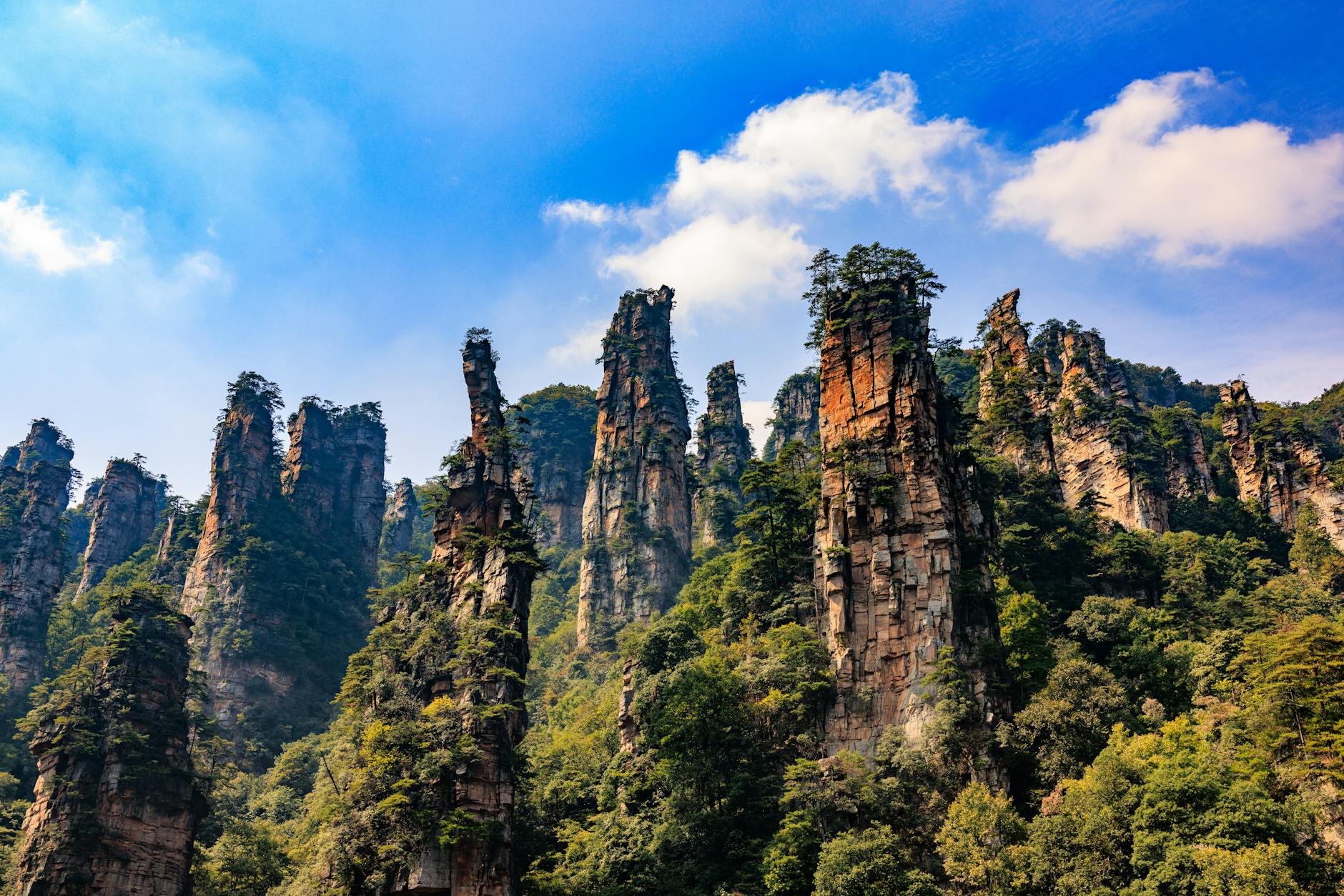
Pandora opened May 27, 2017 and immediately made Animal Kingdom a full-day park. It is also, in my opinion and in the opinion of most theme park designers I have talked to, the best themed land Walt Disney Imagineering has ever built. The floating mountains are real (well, they are sculpted concrete on hidden armatures, but they hover convincingly above your head). The plant life is custom. The audio mix is on a separate ambient soundtrack from the rest of the park. And after dark, the land becomes something else entirely — the paths illuminate where you step, the plants glow, and the floating mountains uplight in colors that make Pandora feel like the alien planet it is supposed to be.
It hosts the park’s two flagship rides: Avatar Flight of Passage and Na’vi River Journey. Pandora is also the headline land — the one most guests build their day around, which is exactly why the smart play is to do it last.
Africa
Africa is themed as the fictional East African port village of Harambe and houses Kilimanjaro Safaris, the Gorilla Falls Exploration Trail (often still called Pangani Forest by veterans), and Festival of the Lion King. Harambe Market is one of the better quick-service clusters at Walt Disney World. The whole land has a worn-in, lived-in feel — paint that looks chipped on purpose, sun-faded signage, a soundtrack you can hear from the Pandora border. From the back of Africa you can also catch the train (Wildlife Express) to Rafiki’s Planet Watch.
Asia
Asia is themed as Anandapur, a fictional Southeast Asian river kingdom, and houses Expedition Everest, Kali River Rapids, the Maharajah Jungle Trek, and the UP! A Great Bird Adventure show. This is the most physically beautiful land in the park during daylight hours — the queue for Expedition Everest is a working museum of Himalayan artifacts that most guests blow past at a dead run trying to get to the coaster.
DinoLand U.S.A. (Closed February 2, 2026)
The truth here is straightforward: as of 2026, DinoLand U.S.A. is gone. The last operating day was February 1, 2026. DINOSAUR the ride, TriceraTop Spin, The Boneyard, Restaurantosaurus, and the rest of the area are now behind construction walls. The land is being demolished and rebuilt as Tropical Americas, a new themed area featuring an Indiana Jones attraction (using a heavily reskinned version of the DINOSAUR ride system), a brand-new Encanto family attraction set in the world of the Madrigals, an animal-themed carousel, and new dining and shopping. Tropical Americas is targeted to open in late 2027.
For 2026 visitors, the practical effect is that the back-southeast quadrant of the park is mostly walled off. There is one less ride day (DINOSAUR was a meaningful piece of capacity for the over-40″ crowd), and crowds compress slightly into the remaining lands. Build your plan accordingly.
Rafiki’s Planet Watch
Rafiki’s Planet Watch is the most-skipped section of the park, accessible only by the Wildlife Express train from Africa. It houses Conservation Station (a working animal-care facility you can watch through glass windows), the Affection Section petting zoo, and as of May 26, 2026, Bluey’s Wild World — a new interactive character experience with Bluey and Bingo that is part of Disney’s Cool Kids’ Summer running through September 8, 2026. Bluey’s Wild World is going to single-handedly change traffic patterns to this corner of the park for the summer. If you have a kid under 8, do not skip it.
Best Rides at Animal Kingdom
Here is my honest ranking of the rides and walk-through attractions at Animal Kingdom in 2026, with the reasoning I would give a friend.
1. Avatar Flight of Passage
Height requirement: 44 inches. Wait times: 100–180 minutes peak, 40–65 minutes after 5 PM. Single Pass Lightning Lane: $15–$24 per person.
This is the single best Disney attraction built in the last twenty years and arguably the best simulator ride ever made. You straddle a “linked banshee” (a motorcycle-shaped seat), an enormous curved IMAX-scale screen surrounds you, the seat moves with the banshee’s flight, you can feel its lungs breathing beneath your legs, scent cannons puff jungle air, water mists you, and the visual sense of flight is so convincing that veteran riders still describe it as one of the most disorienting experiences in any park. It absolutely earns its place at the top.
The pre-show is also genuinely excellent — the lab section in particular — and worth experiencing at least once instead of skipping with Lightning Lane.
Avatar Flight of Passage Strategy
This is where most guides give you generic advice. Here is the real decision tree:
- If you are a Disney resort guest with Early Entry (7:30 AM): rope drop Flight of Passage. You can usually be off the ride by 8:15 AM with a 30–45 minute wait. This is the only morning scenario I genuinely recommend riding Pandora first.
- If you are an off-property guest arriving at 8 AM general open: do NOT rope drop Flight of Passage. By the time you walk to Pandora, the line is already 80–100 minutes. Go to Kilimanjaro Safaris instead. Come back for Flight of Passage between 7 and 9 PM — waits drop to 40–65 minutes and the land is lit up.
- If you are willing to spend $15–$24 per person: buy the Lightning Lane Single Pass at 7 AM the morning of your visit and ride whenever you want. This is the single best Lightning Lane purchase in the entire resort on a per-dollar basis.
- Rider Switch: if you have a kid under 44 inches, one parent waits with the child while the other rides, then they swap. It works seamlessly here.
One operational note most guides miss: Flight of Passage has a roughly 15-passenger-per-cycle capacity, which sounds great until you realize the ride is theater-bound and the loading process takes about four minutes per cycle. The math caps hourly throughput around 1,200 — well below what a 4,000-per-hour coaster like Big Thunder Mountain can move. That is why the line never really dies during the day, even with Lightning Lane in operation.
2. Kilimanjaro Safaris
Height requirement: none. An 18-minute open-vehicle ride through 110 acres of African savanna and forest habitat. Wait times generally 20–50 minutes during the day, often a walk-on in the first 30 minutes after open and the last hour before close.
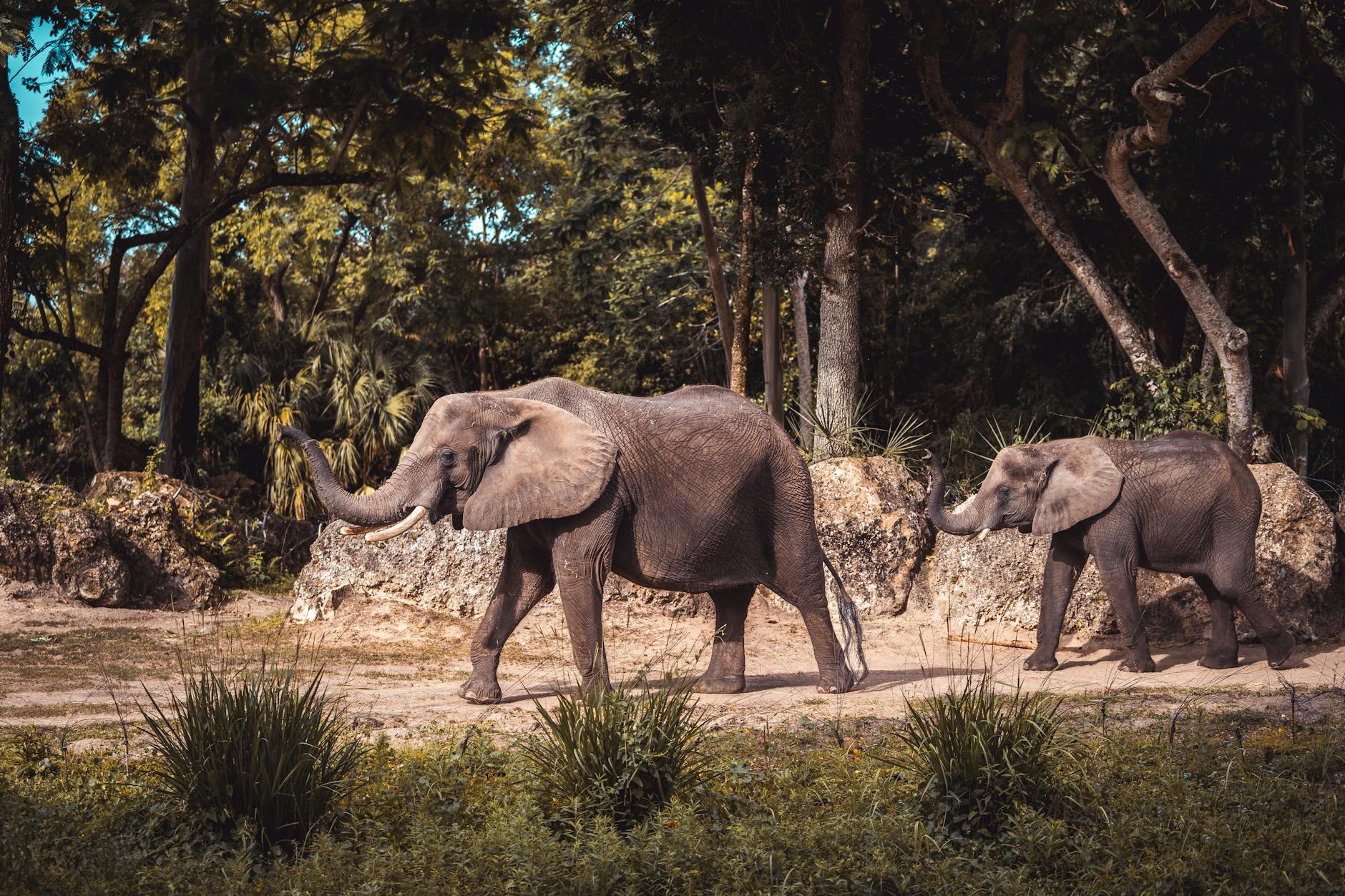
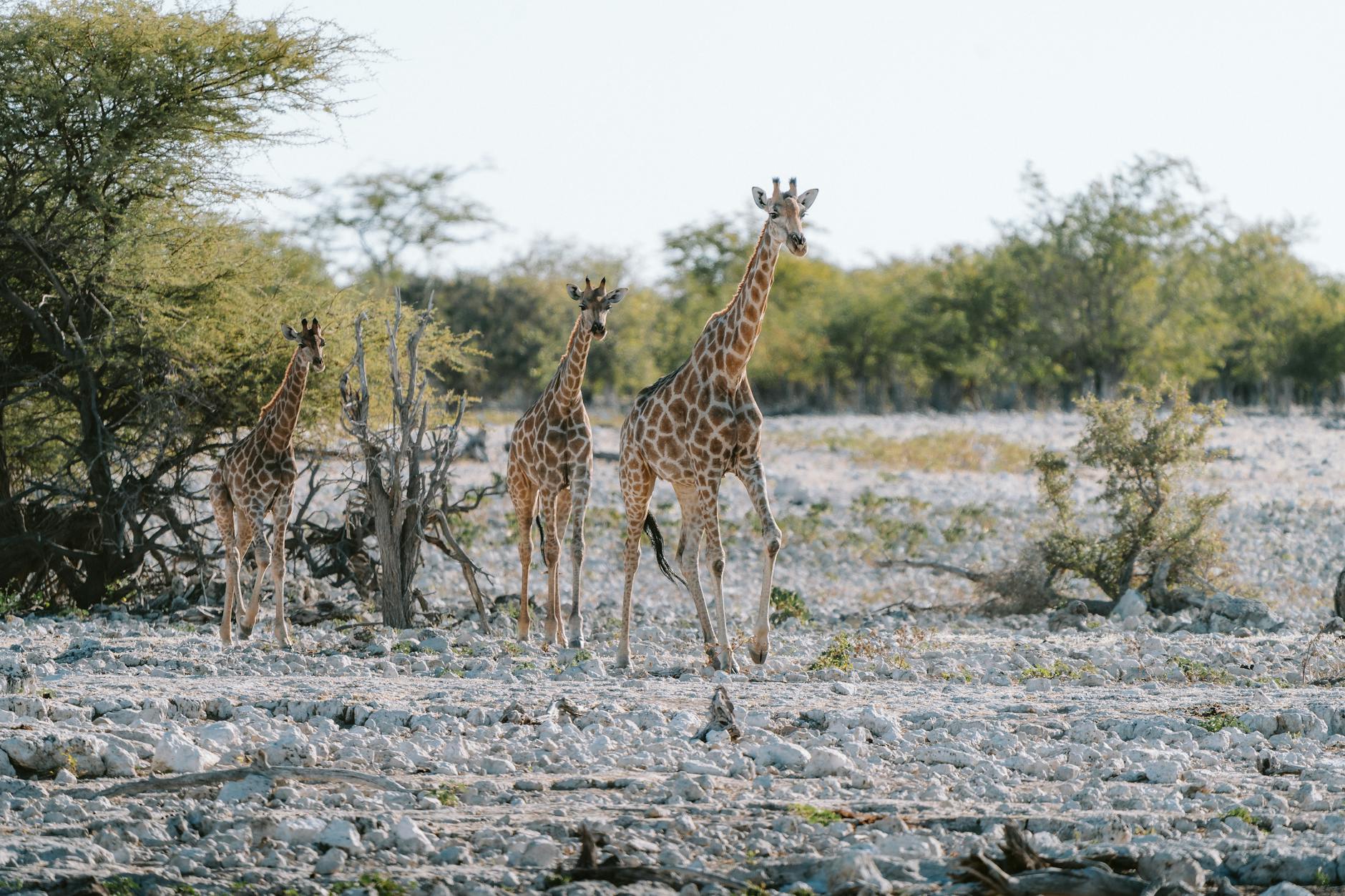
Time of day is the entire game. This is not a thrill ride — it is a wildlife encounter, and the wildlife operates on a schedule. In the cool of early morning (8–10 AM), animals are active: lions are usually visible and moving, giraffes feed, elephants take dust baths. By 1 PM in summer, half the savanna’s animals are sleeping in the shade where you cannot see them. By 5 PM the cooler air brings them back out, and dusk rides genuinely catch behaviors — predator alertness, herd movement — that midday rides never produce.
The strategic implication: ride twice if you can. Once in the morning (preferably 8–10 AM), once in the last 90 minutes before park close. They are not the same ride.
3. Expedition Everest
Height requirement: 44 inches. A steel coaster with a forwards-backwards element and a (mostly stationary) Yeti animatronic. Wait times usually 30–60 minutes midday, often under 15 minutes in the last 90 minutes of the operating day.
Everest is a deceptively good coaster. It is not the most intense in Orlando, but it has the best queue at Walt Disney World (the museum-quality artifact collection, the prayer flags, the staged Yeti evidence), one of the most photographed lift-hill views on property, and a layout that rewards re-rides. The Yeti has been in “B-mode” — meaning the strobe-and-blacklight effect, not the full animatronic motion — for years. Disney has not announced a fix. Ride it anyway.
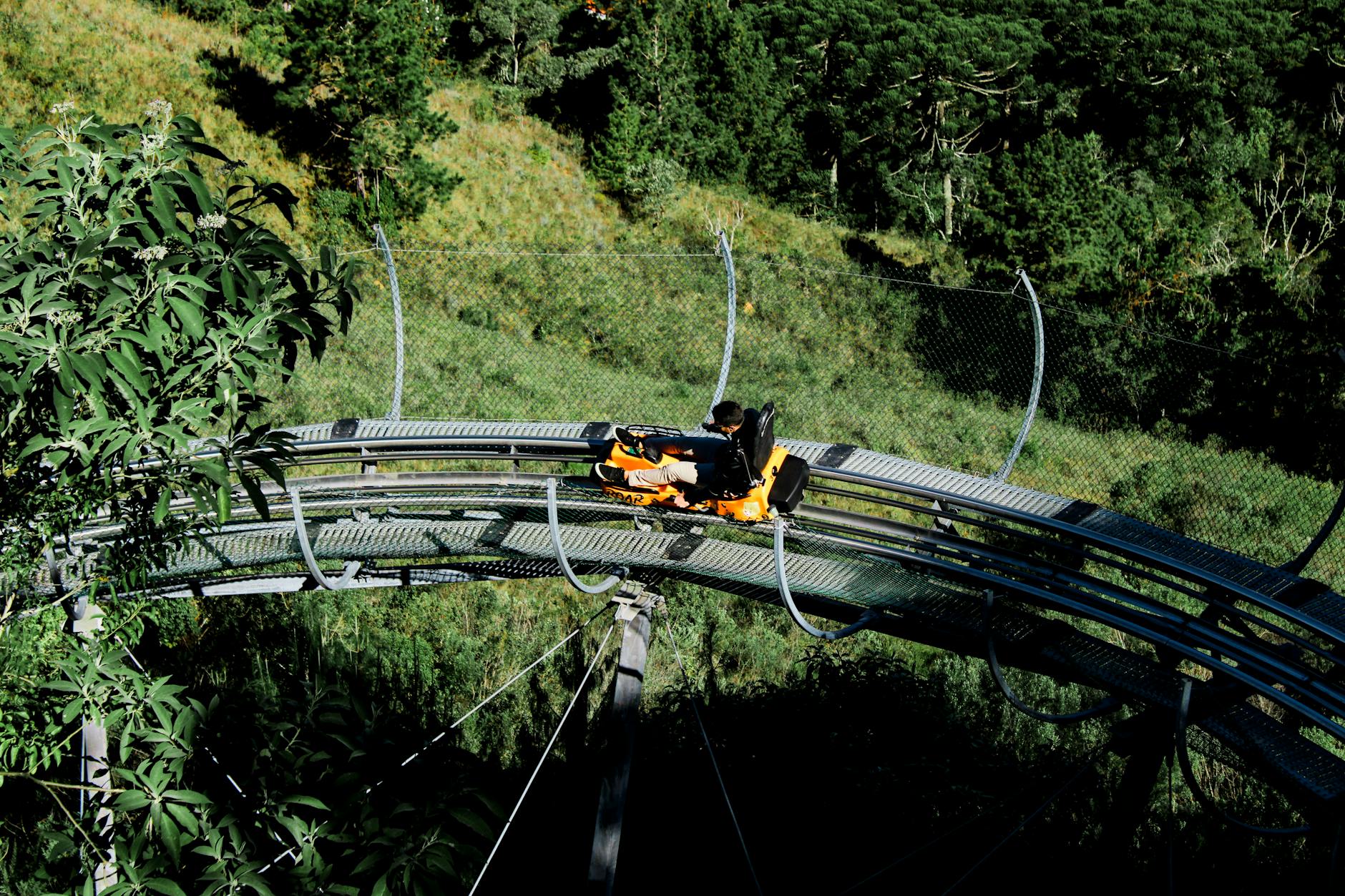
4. Na’vi River Journey
Height requirement: none. A 4.5-minute slow boat ride through the bioluminescent forest of Pandora, ending with the Shaman of Songs audio-animatronic — one of the most advanced figures Disney has ever built.
This ride is dramatically underrated because there are no thrills, no story, and the Shaman appears only in the last 30 seconds. What it is, instead, is the most beautiful dark ride in Walt Disney World. The lighting, the projections, the layered audio, the way the foliage glows above you — it is a sensory experience designed for adults who appreciate craft as much as for kids. Waits run 50–90 minutes midday and 25–40 minutes in the evening. Lightning Lane Multi Pass eligible.
5. Kali River Rapids
Height requirement: 38 inches. A river rapids ride. You will get soaked. There is no “you might get soaked.” You will.
Do not ride this in the first half of your day unless you have a swimsuit underneath or a poncho. In summer, save it for late afternoon and welcome the cool. In winter — and I cannot stress this enough — skip it unless the air temperature is above 70°F. There is no glory in shivering through the rest of your day in Florida January.
6. It’s Tough to be a Bug!
A 4D Pixar show under the Tree of Life. Mild thrills, surprisingly effective practical effects, and the rare attraction at Walt Disney World that scares younger kids more than parents expect. Anything described as “things crawling on you in the dark” is going to land hard on the 4-to-7 crowd. Worth doing once. Skip if a child is sensitive.
7. Gorilla Falls Exploration Trail
The Africa walking trail. Free with admission, no wait, no Lightning Lane involved. Gorillas (often visible), hippos through an underwater viewing window, meerkats, okapi, and a colobus monkey island. Allow 30–45 minutes if you are paying attention. Most guests blow through it in 8 minutes and miss the gorillas entirely. Slow down.
8. Maharajah Jungle Trek
The Asia walking trail. Tigers (almost always visible because the habitat is small and well-designed for guest sightlines), Komodo dragons, gibbons on rope structures over the path, bats behind glass, and the most beautifully themed walkway in the entire park. This is the single best 30 minutes you can spend at Animal Kingdom that almost nobody talks about.
DINOSAUR (Closed)
The DINOSAUR ride closed permanently on February 1, 2026 along with the rest of DinoLand. The ride system will be reskinned as the new Indiana Jones attraction when Tropical Americas opens in late 2027. If you rode it before, the bones of the ride will feel familiar. If you didn’t, you didn’t miss as much as nostalgic veterans pretend.
Shows at Animal Kingdom
Animal Kingdom has the best live entertainment lineup of any Walt Disney World park. This is the section most guides treat as a polite afterthought, and it is the section that determines whether your day feels rich or rushed.
Festival of the Lion King
A 30-minute musical revue in the 1,450-seat Harambe Theatre in Africa. Acrobats, fire dancers, full vocal cast, and the most charismatic emcees (“animal spirits”) in any Disney show. This is the best live in-park show across all four Walt Disney World parks and one of the best at any Disney park in North America. Do not skip it. If you have time for one show, this is the show.
Practical notes: shows run roughly every 60–75 minutes during park hours. Arrive 35–45 minutes early for midday performances if you want a center seat. The “warthog” section (yes, you get assigned an animal section on entry) is the loudest and most fun for kids. The theater is fully air-conditioned, which makes the midday show a tactical win as well as an entertainment one.
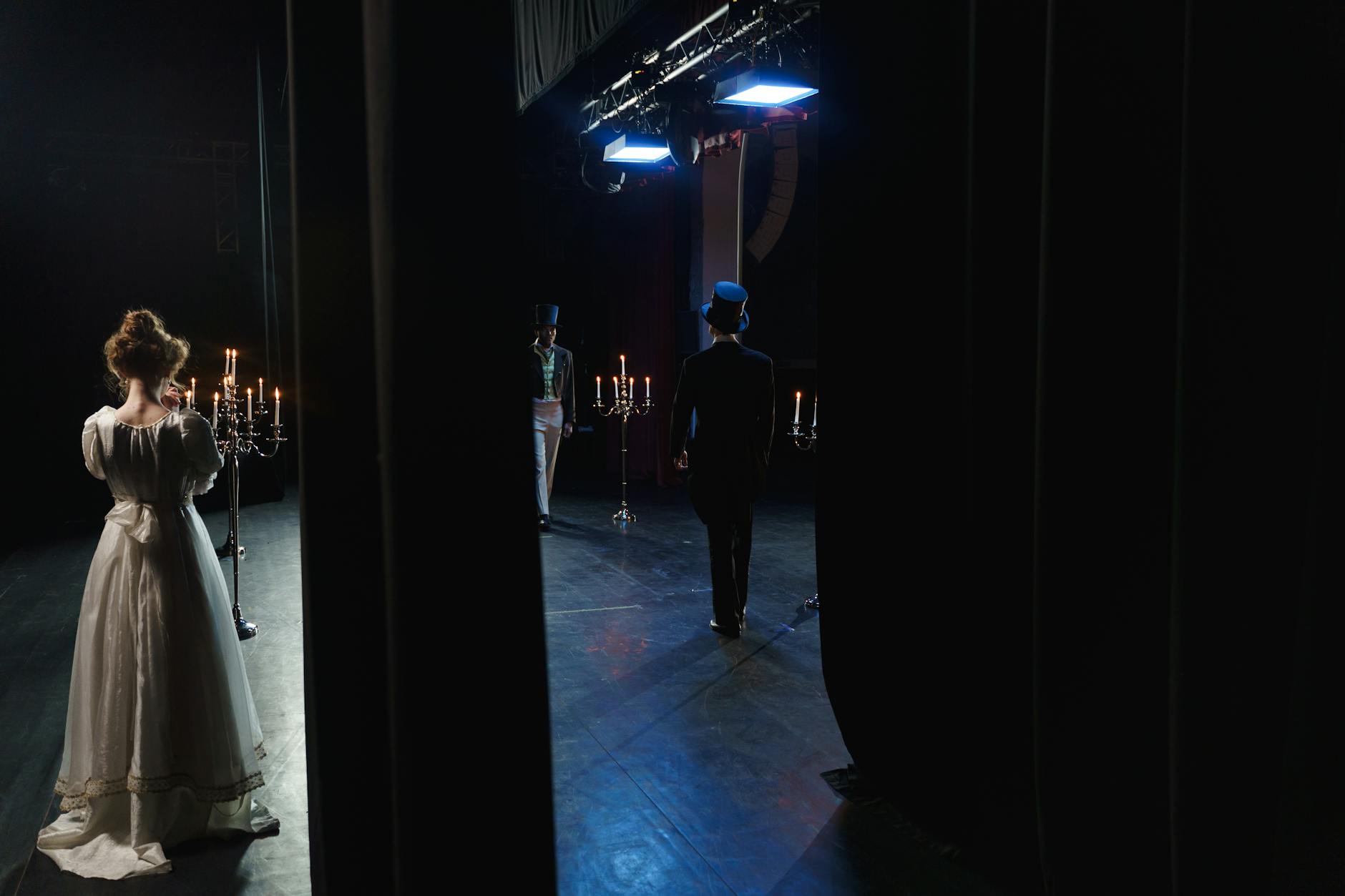
Finding Nemo: The Big Blue… and Beyond!
The reimagined Nemo show that replaced the original “The Musical” version in 2022. Smaller cast, projection-heavy staging, runs about 25 minutes in the Theater in the Wild on the (former) DinoLand border. The original Nemo show was better — I’ll say that out loud — but the current version is still strong entertainment and the songs hold up. Worth doing once, especially if you have under-10 kids.
UP! A Great Bird Adventure
A 25-minute live bird show in Asia featuring trained free-flying raptors, parrots, and other species, with Russell and Dug from the Pixar film as the framing device. This is a legitimately good bird show — the birds are spectacular, the trainers are clearly experts, and the educational content lands without being preachy. Often performed 4–6 times per day. If you like animals at all, prioritize this.
Tree of Life Awakenings
An after-dark projection show on the Tree of Life that runs every 10 minutes from dusk until park close. The 325 carved animals on the tree “wake up” and move via projection mapping. Multiple different vignettes rotate (firefly, butterfly, elephant, the lush nighttime one). On nights when the park closes at 8 PM you only get a 30–45 minute window to catch a couple of vignettes, so factor it into your evening pacing. This is the most beautiful five-minute moment of any Disney World park day.
Touring Strategy: A Real Plan for Animal Kingdom
Here is the plan I actually use. It is built around the reverse Pandora strategy and around the fact that animals are visible at specific times.
First Two Hours: 7:30–9:30 AM
If you have Early Entry (Disney resort guest, eligible Good Neighbor hotels, or Premier Pass), rope drop Avatar Flight of Passage. You can be off in under an hour. Then go straight to Kilimanjaro Safaris.
If you do not have Early Entry, skip Pandora entirely at open. Walk directly to Kilimanjaro Safaris through Africa — you should be on a truck within 15 minutes of park open. Then walk to Expedition Everest in Asia. Coaster waits in the first 90 minutes of the operating day are routinely under 15 minutes because everyone is in Pandora.
Mid-Morning: 9:30–11:30 AM
Walk the Maharajah Jungle Trek in Asia. This is when the tigers are most active and visible. Then Kali River Rapids if it is warm out, or Festival of the Lion King if you can catch a 10:30 or 11:00 show. The Lion King show is a midday strategic win because it gets you out of the heat for 30 minutes.
Lunch and Early Afternoon: 11:30 AM–2 PM
Eat. I am serious — you will not regret a Satu’li Canteen lunch (Pandora quick service) or a Yak & Yeti sit-down break in Asia. This is when crowds peak everywhere and standby waits get ugly. Use this window for the Gorilla Falls trail, It’s Tough to be a Bug!, and any character meet-and-greets.
Late Afternoon: 2–5 PM
Wildlife Express train to Rafiki’s Planet Watch. This is when most families have melted down and you are about to walk into the emptiest section of the park. In summer 2026 specifically, this is also when you do Bluey’s Wild World. Come back. Catch UP! A Great Bird Adventure. Re-ride Expedition Everest (often a walk-on by 3:30).
Evening: 5 PM to Close
Now you go to Pandora. Flight of Passage waits drop to 40–65 minutes by 6 PM and 30–50 minutes in the last hour. Na’vi River Journey drops to 25–40 minutes. The land becomes the bioluminescent version of itself starting around dusk (variable by season — roughly 7:30 PM in summer, 5:30 PM in winter). Ride both. Eat dinner at Satu’li Canteen if you didn’t do lunch there. Stand on the bridge between Pandora and Discovery Island as the floating mountains light up and tell me Animal Kingdom is a half-day park.
On your way out, swing by the Tree of Life for Tree of Life Awakenings. Then do a final evening Kilimanjaro Safari — book the last available time slot you can, because the dusk safari is genuinely a different experience.
Lightning Lane at Animal Kingdom
Lightning Lane at Walt Disney World comes in three flavors: Multi Pass (multiple attractions, advance booking), Single Pass (premium individual rides, day-of), and Premier Pass (all-in, very expensive). Our full Disney World Lightning Lane guide covers the system in depth. Here is how it specifically applies to Animal Kingdom.
Multi Pass vs Single Pass at AK
Multi Pass at Animal Kingdom is eligible for: Kilimanjaro Safaris, Expedition Everest, Na’vi River Journey, Kali River Rapids, It’s Tough to be a Bug!, Festival of the Lion King (yes, the show is in the system), Finding Nemo, and UP! A Great Bird Adventure.
Single Pass at Animal Kingdom covers exactly one attraction: Avatar Flight of Passage. It is the single most-purchased Single Pass at this park by a wide margin, because the standby wait is so punishing that the math almost always works out.
If you only buy one Lightning Lane product at this park, buy the Flight of Passage Single Pass. If you are arriving late, sleeping in, or visiting on a peak day, add Multi Pass on top.
Real-World 2026 Lightning Lane Pricing at AK
| Product | Typical Price Range (2026) | Notes |
|---|---|---|
| Multi Pass (AK) | $15–$25 per person/day | Lowest of the four parks |
| Single Pass — Flight of Passage | $15–$24 per person | Higher on holiday and weekend dates |
| Premier Pass (AK) | $129–$199 per person | All-in, includes Single Pass attractions |
Animal Kingdom Lightning Lane is the best per-dollar value of the four Walt Disney World parks. Multi Pass routinely costs $15–$18 on shoulder-season days, which is roughly half what Magic Kingdom charges on the same date. The catch is that AK has fewer Lightning Lane–eligible attractions than the other parks, so you may not get the same number of “rides skipped” for your money. But the rides you do skip have brutal standby waits, which is what makes the value.
Animal Kingdom Dining
The food at Animal Kingdom is — and this surprises first-time visitors every time — the best counter-service food in Walt Disney World and home to one of its most underrated table-service restaurants. Our broader Disney World dining guide goes deep on the whole resort. Here are the AK-specific picks.
Tusker House
Character buffet in Harambe (Africa) with Donald, Daisy, Mickey, and Goofy in safari outfits. Pan-African-inspired buffet — spiced chicken, curried beef, jeweled rice, plenty of “safe” options for picky kids. Breakfast is the best meal here (fluffy scrambled eggs, Mickey waffles, plus the buffet spread). Reservations open 60 days out and book up fast in peak season.
Tiffins
Tiffins is the most underrated table-service restaurant in all of Walt Disney World. Three small dining rooms styled as the offices of Imagineering’s research expeditions, a wine list with actual depth, and a menu that rotates seasonally but always includes some version of an octopus dish, a duck dish, and a “surf and turf” that does not embarrass itself. It is also rarely full at lunch. If you have a couple’s anniversary or a calm-adult moment to carve out of a Disney trip, Tiffins is the move.
Yak & Yeti
Table-service pan-Asian in Asia, operated by Landry’s so accepting Landry’s Select Club status. Crispy honey chicken is the famous dish. The full bar is a welcome break in the middle of a long park day. Reservations recommended for lunch peak (12:30–1:30 PM).
Satu’li Canteen
Quick-service in Pandora, themed as a former mining mess hall converted by the Na’vi. The build-your-own bowls (protein + base + sauce) are the best-engineered counter-service meal at Walt Disney World — actually-vegetable-forward, actually-flavorful, actually-fast. The chili-spiced crispy fried tofu bowl is the underrated order. The blueberry cream cheese mousse for dessert is a permanent menu fixture for a reason.
Best Snacks
Pongu Pongu in Pandora makes the Night Blossom (apple/limeade slush with passion fruit boba), which is the most photographed drink at WDW and also genuinely good. Harambe Market in Africa does excellent African-style ribs and a curry chicken corn dog (yes, really, try it). The Nomad Lounge patio next to Tiffins serves the best craft cocktails at the park if you need an adult break. Anandapur Ice Cream Truck in Asia handles your sugar-quick-fix needs in summer.
When to Visit Animal Kingdom
Animal Kingdom’s crowd patterns are weirder than the other parks, and 2026 has made them weirder still. Two structural shifts to know about:
First, with Tron Lightcycle Run continuing to draw crowds at Magic Kingdom and Lightning Lane prices there pushing some guests away, weekend overflow has been shifting to Animal Kingdom — particularly Saturdays in shoulder season. This is a real and observable trend in 2026 data.
Second, DinoLand’s closure removed one ride and one show from the lineup, which means slightly more crowd compression on the remaining attractions. Practically: Flight of Passage waits are 5–10% higher than 2025 at the same crowd levels.
Best weeks to visit Animal Kingdom in 2026:
- Late January through early February (post-marathon weekend, pre-Mardi Gras)
- First two weeks of May (post-spring break, pre-summer rush)
- Mid-September (the deadest week of the year)
- First two weeks of December (before holiday crush)
Worst weeks: Christmas/New Year’s, Spring Break (mid-March to mid-April), July 4 week, Thanksgiving week, and any week that overlaps with major runDisney events.
Close-time consideration matters more here than anywhere else on property. Check the official calendar 30 days out, then again 7 days out. Animal Kingdom can close anywhere from 5 PM to 9 PM depending on the date. A 5 PM close day is a fundamentally different park than an 8 PM close day, and your touring plan has to flex accordingly.
Animal Kingdom with Kids
Animal Kingdom is the second-best Disney park for very young kids (Magic Kingdom is first) and one of the best for animal-loving school-age kids and teens. Our best Orlando park by age guide covers the full age breakdown, and our Disney World with toddlers guide goes deep on the under-5 set. Quick breakdown:
Toddlers (Under 44 inches)
No-height-requirement rides: Kilimanjaro Safaris (incredible for toddlers — animals up close), Na’vi River Journey (gentle dark ride, very calming), Wildlife Express train, Festival of the Lion King (loud but mesmerizing). Skip: It’s Tough to be a Bug! (scary effects). The walking trails are a major win — wide paths, stroller-friendly, animals at eye level.
School-Age (38″–48″, roughly 5–10)
This is the AK sweet spot. Kali River Rapids opens up at 38″. Expedition Everest, DINOSAUR (RIP), and Flight of Passage open up at 44″. Kids in this range often get more out of Animal Kingdom than the other parks because the animal exhibits add genuine wonder that Magic Kingdom rides cannot.
Teens
Flight of Passage is the ride teens talk about for the rest of the trip. Expedition Everest is the coaster. Kali River Rapids is the wet ride they will demand to do twice. Pandora at night is genuinely the most “Instagram” moment in any Disney park, which matters more to a 14-year-old than a parent wants to admit.
Animal Kingdom for Animal Lovers
If you are visiting Animal Kingdom specifically for the animals — and a meaningful chunk of guests are — your day looks different from a thrill-ride day. Build it around three things:
1. Two Kilimanjaro Safaris. One in the first hour after park open. One in the last 90 minutes before the Safari closes (which is 30–60 minutes before park close — check the official times). These are different rides. Lions visible on one, sleeping on the other. Cheetahs active on one, hidden on the other.
2. All four walking trails. Gorilla Falls in Africa, Maharajah Jungle Trek in Asia, the Discovery Island Trails behind the Tree of Life, and the trails at Conservation Station / Rafiki’s Planet Watch. Together these comprise something like 90 minutes of legitimate wildlife viewing that most guests treat as filler. They are the opposite of filler.
3. The behind-the-scenes tours. Disney runs paid backstage tours including “Caring for Giants” (elephant focus, roughly $30 per person, 60 minutes) and “Up Close with Rhinos” (roughly $40, 60 minutes). These are not cheap, but if your trip is genuinely animal-focused, they are the highest-value way to spend an extra hundred dollars at the park. Book through the Walt Disney World website 180 days out.
What’s Coming to Animal Kingdom in 2026 and Beyond
The next 18 months are the most active development period Animal Kingdom has seen since Pandora opened. Three things to know:
Tropical Americas (Opening Late 2027)
The replacement for DinoLand U.S.A. Three components:
- Indiana Jones attraction — a heavily reimagined version of the DINOSAUR ride system, retheming the existing show building to an Indiana Jones adventure. Same Enhanced Motion Vehicle ride vehicles, completely new scenes, story, audio, and effects. This is the headliner.
- Encanto attraction — a brand-new family ride set in the world of the Madrigal family from the film Encanto. Disney has been deliberately quiet about the ride system, but concept art shows the Casita as the central show element.
- Animal-themed carousel — featuring animals native to the Americas, replacing TriceraTop Spin’s spot as the family flat-ride anchor.
Plus a new table-service restaurant, new quick-service options, and themed retail. Construction is visibly progressing — vertical construction on the Encanto show building was in progress through spring 2026.
Bluey’s Wild World (Opened May 26, 2026)
An interactive character experience at Conservation Station / Rafiki’s Planet Watch where guests play and dance with Bluey and Bingo. Running through September 8, 2026 as part of Disney’s Cool Kids’ Summer promotion. This single addition is going to drive more traffic to Rafiki’s Planet Watch in summer 2026 than any change in that area’s history.
Rumored / Speculated
Disney has hinted at additional Avatar IP expansion (the second and third Avatar films opened up new biomes — the underwater Metkayina and others), but nothing is confirmed. There is also internal discussion about a new bird-focused attraction or upgrade to the UP! show, again unconfirmed.
Animal Kingdom Insider Tips
Twelve things most guides miss.
- The 7:30 AM Early Entry math. Disney resort guests get 30 minutes of Early Entry. At Animal Kingdom that is enough to ride Flight of Passage with a 30-minute wait if you are at the rope at 7:25. After that, you are in standby territory.
- The reverse strategy is real. The vast majority of guests rush Pandora at open. That leaves Africa and Asia with sub-20-minute waits for the first 60–90 minutes. Use it.
- Two safaris, not one. Morning and dusk safaris are different rides. Build for both.
- Tiffins lunch is the quiet adult moment of the trip. Often available same-day, dramatically calmer than dinner.
- Festival of the Lion King at 11:00 AM is a tactical AC break. Catch the show, cool down, exit at noon — perfect lunch transition.
- The bridge between Pandora and Discovery Island at dusk. Stand here for five minutes when the lights come up. It is the single best free five minutes at Walt Disney World.
- Wildlife Express closes early. The train to Rafiki’s Planet Watch typically stops running around 5 PM. If you want to visit, do it before then.
- The Maharajah Jungle Trek tigers are most active in late morning (10–11 AM) when the staff puts out enrichment. Watch for keepers walking through with bags.
- Single Rider line at Expedition Everest is a cheat code. Often drops the wait from 45 minutes to 10. You will split from your party for one cycle. Worth it.
- Pongu Pongu opens at park-open even on early entry days. Night Blossom for breakfast is undignified and also delicious.
- Discovery Island Trails behind the Tree of Life. Practically empty, has flamingos and otters and a kangaroo paddock. Most people never realize it exists.
- The park is hot. AK has less indoor air conditioning than the other parks. Plan two AC-anchored breaks (a show, a sit-down meal, or both) into any summer day or you will burn out by 3 PM.
Common Animal Kingdom Mistakes
The errors I see first-time visitors make over and over again, ranked by how much they cost you.
- Treating it as a half-day park. Plan for 9–11 hours. You will use them.
- Skipping the walking trails. They are the actual “Animal Kingdom” part of Animal Kingdom. Allocate at least 90 minutes total across Gorilla Falls and Maharajah Jungle Trek.
- Skipping Festival of the Lion King. It is the best show at Walt Disney World. There is no defensible reason to skip it.
- Rope-dropping Pandora without Early Entry. The line is 80–100 minutes by 8:15 AM. Save it for evening unless you have a Lightning Lane Single Pass.
- Leaving before dark. Pandora’s bioluminescence and the Tree of Life Awakenings are the most beautiful nighttime moments at any Disney World park, and a meaningful chunk of guests miss them.
- Riding Kali River Rapids on a cold day. You will get genuinely cold for the rest of the day.
- Eating at Pizzafari instead of Satu’li Canteen. Pizzafari is fine. Satu’li is one of the best counter-service meals at any theme park in America. Walk the extra 10 minutes.
- Booking park hopper days at AK starting at 2 PM. You forfeit morning safari and your only Flight of Passage shot. Hopper INTO Animal Kingdom for the evening, not out of it.
Animal Kingdom FAQ
Is Animal Kingdom a full-day park in 2026?
Yes. With Pandora’s two rides, Kilimanjaro Safaris (worth riding twice), four walking trails, Festival of the Lion King, three other live shows, Expedition Everest, Kali River Rapids, and Tree of Life Awakenings at night, you can easily fill 10–11 hours. The half-day reputation is two decades out of date.
Is DinoLand still open at Animal Kingdom?
No. DinoLand U.S.A. permanently closed on February 2, 2026. The area is being rebuilt as Tropical Americas, a new land featuring Indiana Jones and Encanto attractions plus an animal-themed carousel, targeted to open in late 2027.
What is the best ride at Animal Kingdom?
Avatar Flight of Passage. It is the best simulator ride Disney has ever built and arguably the best ride at all of Walt Disney World. Plan to either Lightning Lane Single Pass it, rope drop it with Early Entry, or ride it in the evening when waits drop to 40–65 minutes.
How long is the wait for Flight of Passage?
Standby waits range from 100 to 180 minutes during peak hours (11 AM to 3 PM), drop to 70–100 minutes from 3 to 5 PM, and hit their lowest at 40–65 minutes after 5 PM. Lightning Lane Single Pass typically costs $15–$24 per person and is the single best Lightning Lane value at the park.
What time does Animal Kingdom close?
Animal Kingdom typically closes earliest of the four Walt Disney World parks — anywhere from 5 PM on light days to 9 PM on peak days, with 6–8 PM being the most common range in 2026. Kilimanjaro Safaris closes 30–60 minutes before the rest of the park. Always check the official calendar 7 days before your visit.
Do I need Lightning Lane at Animal Kingdom?
Not strictly. But the Flight of Passage Single Pass ($15–$24) is the highest-value Lightning Lane purchase at any of the four parks. Multi Pass at AK is the cheapest Multi Pass on property ($15–$25 per day) and is genuinely useful on peak days. See our Disney World Lightning Lane guide for the full strategy.
What is the best time to ride Kilimanjaro Safaris?
Within the first 90 minutes of park open (8–9:30 AM) for the most active animal viewing, or in the last 90 minutes before the Safari closes for the dusk experience. Avoid midday in summer — many animals retreat to shade and become invisible to ride vehicles.
How does Animal Kingdom compare to the other Disney parks?
Animal Kingdom has the best themed land (Pandora), the best live show (Festival of the Lion King), and the best counter-service food (Satu’li Canteen) of the four Walt Disney World parks. It has the fewest rides and closes earliest. See our Orlando theme parks comparison and our individual Magic Kingdom guide, EPCOT guide, and Hollywood Studios guide for full breakdowns.
Is Animal Kingdom good for toddlers?
Yes — second only to Magic Kingdom. Kilimanjaro Safaris, Na’vi River Journey, the Wildlife Express train, Festival of the Lion King, and four walking trails are all 100% accessible to toddlers. The animal-up-close factor makes it especially memorable for under-5 kids. Skip It’s Tough to be a Bug! if your child is sensitive to dark or startling effects.
How much does a day at Animal Kingdom cost in 2026?
A one-day, one-park base ticket runs roughly $119–$189 per adult depending on the date, with kids 3–9 a few dollars less. Add roughly $40 per person for two meals plus snacks, $15–$25 per person for Multi Pass Lightning Lane (optional), and $15–$24 per person for Flight of Passage Single Pass (recommended). See our Disney World ticket prices guide for the full breakdown.
What should I not miss at Animal Kingdom?
Avatar Flight of Passage, Kilimanjaro Safaris (morning AND evening), Festival of the Lion King, the Maharajah Jungle Trek, Pandora after dark, and Tree of Life Awakenings. If you only have time for six things, those are the six.
How does Animal Kingdom fit into a Walt Disney World itinerary?
For a 4–5 day trip, Animal Kingdom warrants a dedicated full day with no park-hopping. For shorter trips, consider an evening park-hop INTO Animal Kingdom to catch Pandora after dark and a sunset safari. See our Disney World itinerary guide for full multi-day planning.
Animal Kingdom is the park most people get wrong on their first trip. Plan for a full day, build the schedule around animal behavior windows instead of around Pandora hype, eat at Satu’li, watch Festival of the Lion King, walk the trails, and stay until the Tree of Life Awakenings. Do that, and it stops being the “extra” park and starts being the one you talk about on the drive home.