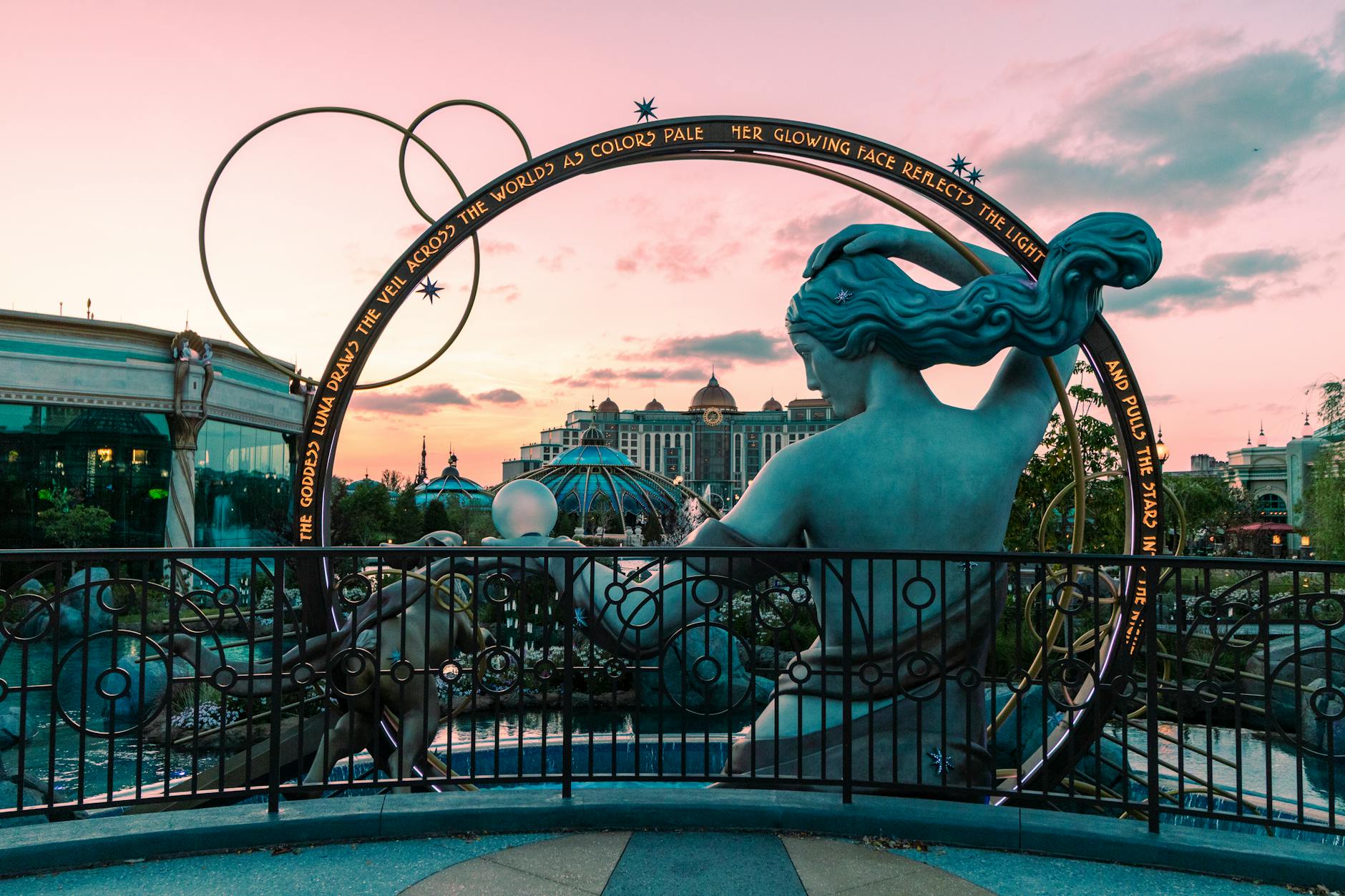
Welcome to our Orlando theme parks guide, your ultimate resource for planning the perfect vacation. Orlando, Florida is the undisputed theme park capital of the world. With more world-class theme parks per square mile than anywhere else on the planet, the Orlando area draws over 75 million visitors each year — and for good reason. Whether you are dreaming of meeting Cinderella at Walt Disney World, casting spells in the Wizarding World of Harry Potter at Universal Orlando, swimming with dolphins at Discovery Cove, or building LEGO creations with your preschooler at LEGOLAND, Orlando has a theme park experience for every age, every interest, and every budget.
But planning an Orlando theme park vacation can feel overwhelming. With more than a dozen major parks, constantly changing ticket prices, skip-the-line passes, dining plans, resort options, and seasonal events, there is a staggering amount of information to sort through. That is exactly why we created this guide — to be the most comprehensive, up-to-date, and genuinely useful Orlando theme parks resource you will find anywhere online.
In this ultimate guide, we cover every major Orlando theme park in detail, break down ticket prices and money-saving strategies, explain when to visit for the best experience, reveal insider tips for beating the crowds, and help you plan a vacation that is tailored to your family’s needs. Whether you are a first-time visitor or a seasoned Orlando veteran, this guide will help you get the most out of every minute and every dollar at the parks.
Your Orlando Theme Parks Guide: A Complete Overview
The Orlando area is home to more than a dozen theme parks, water parks, and attractions spread across Walt Disney World, Universal Orlando Resort, SeaWorld Parks, LEGOLAND Florida, and several independent parks. Here is a complete breakdown of every major park, what makes each one unique, and who it is best suited for.
Walt Disney World Resort
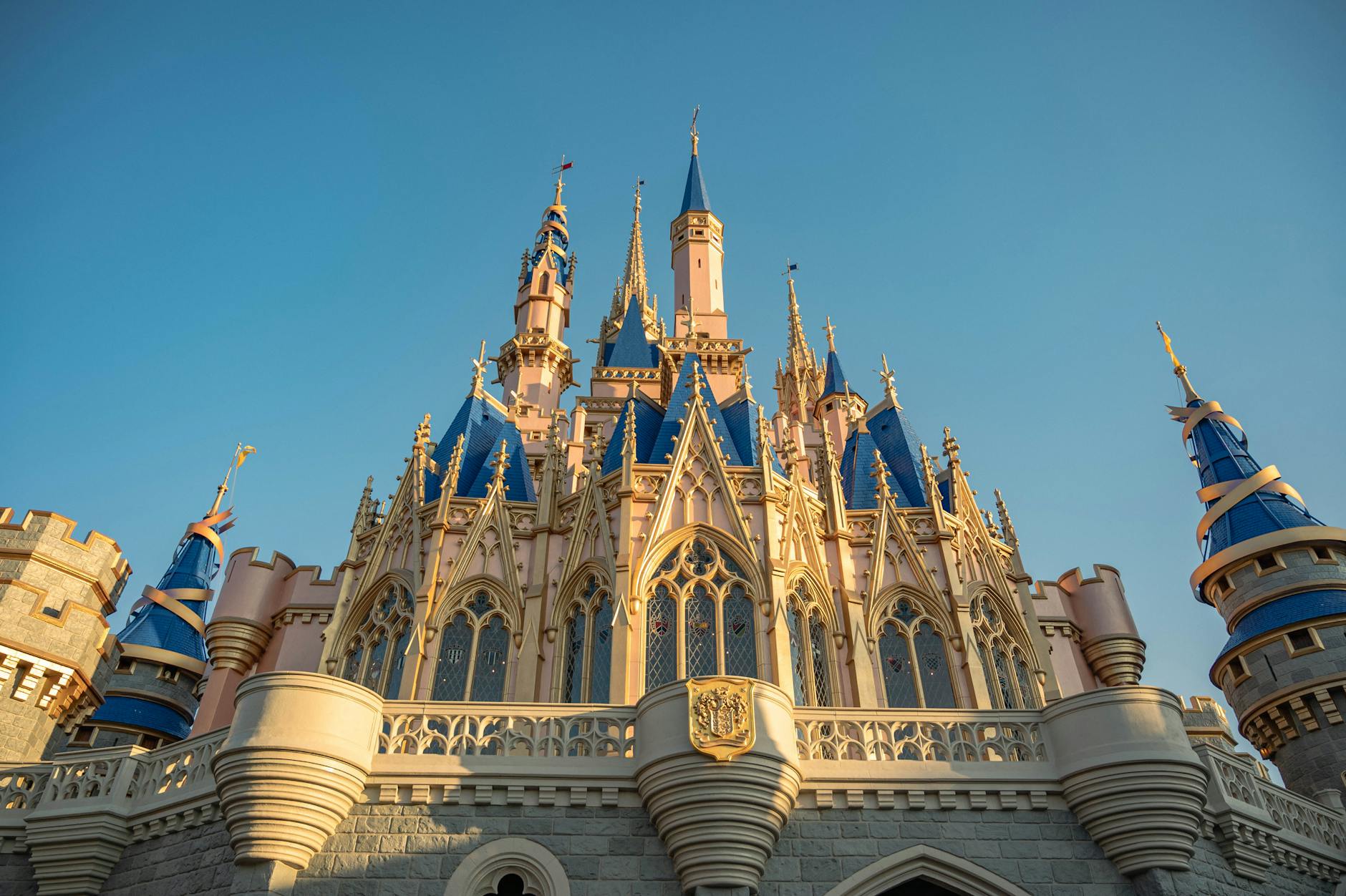
Walt Disney World is the largest and most visited theme park resort in the world, spanning roughly 25,000 acres — about the size of San Francisco. The resort includes four major theme parks, two water parks, the Disney Springs entertainment district, over 25 resort hotels, and a sprawling transportation network. For most families, Disney World is the centerpiece of any Orlando vacation.
Magic Kingdom is the park most people picture when they think of Disney World. Home to Cinderella Castle, classic attractions like Space Mountain, Pirates of the Caribbean, and the Haunted Mansion, plus newer favorites like TRON Lightcycle Run and the recently refurbished Big Thunder Mountain Railroad, Magic Kingdom delivers the quintessential Disney experience. It is the most visited theme park on Earth, welcoming over 17 million guests annually. Plan for at least one full day here, though many families happily spend two. This Orlando theme parks guide covers everything you need to know.
EPCOT is Disney’s celebration of technology, innovation, and world cultures. The park is divided into two main areas: World Celebration (featuring Guardians of the Galaxy: Cosmic Rewind, Spaceship Earth, and Journey of Water Inspired by Moana) and World Showcase, an immersive tour through 11 country pavilions with authentic dining, shopping, and attractions like Frozen Ever After in Norway and Remy’s Ratatouille Adventure in France. EPCOT is also famous for its year-round festivals — the International Food and Wine Festival, Flower and Garden Festival, Festival of the Arts, and Festival of the Holidays — which draw massive crowds and are among the best dining experiences in all of Orlando.
Hollywood Studios is home to some of Disney World’s most immersive and thrilling experiences. Star Wars: Galaxy’s Edge lets you explore the planet Batuu, build custom lightsabers and droids, and experience the groundbreaking Star Wars: Rise of the Resistance, widely considered one of the greatest theme park attractions ever built. Toy Story Land offers family-friendly rides including Slinky Dog Dash, while Tower of Terror and the newly reimagined Muppets-themed Rock ‘n’ Roller Coaster deliver big thrills. Hollywood Studios can be experienced in a full day, making it an efficient park for busy schedules.
Animal Kingdom blends traditional theme park rides with genuine zoological experiences. Pandora — The World of Avatar features Avatar Flight of Passage, a breathtaking banshee flight simulator that consistently ranks among the best rides in the world. Kilimanjaro Safaris takes you on an open-vehicle journey through a 110-acre African savanna with live animals, while Expedition Everest delivers a high-speed roller coaster encounter with a Yeti. The park also features walking trails where you can observe gorillas, tigers, elephants, and other wildlife up close. Do not make the mistake of treating Animal Kingdom as a half-day park — there is easily a full day of world-class content here. Use this Orlando theme parks guide to make the most of your time.
Disney World also operates two water parks: Typhoon Lagoon, featuring the largest wave pool in North America, and Blizzard Beach, home to Summit Plummet, one of the tallest and fastest body slides in the world. Both are excellent additions to a Disney vacation, especially during the hot summer months. Our Orlando theme parks guide recommends planning ahead for the best experience.
Universal Orlando Resort
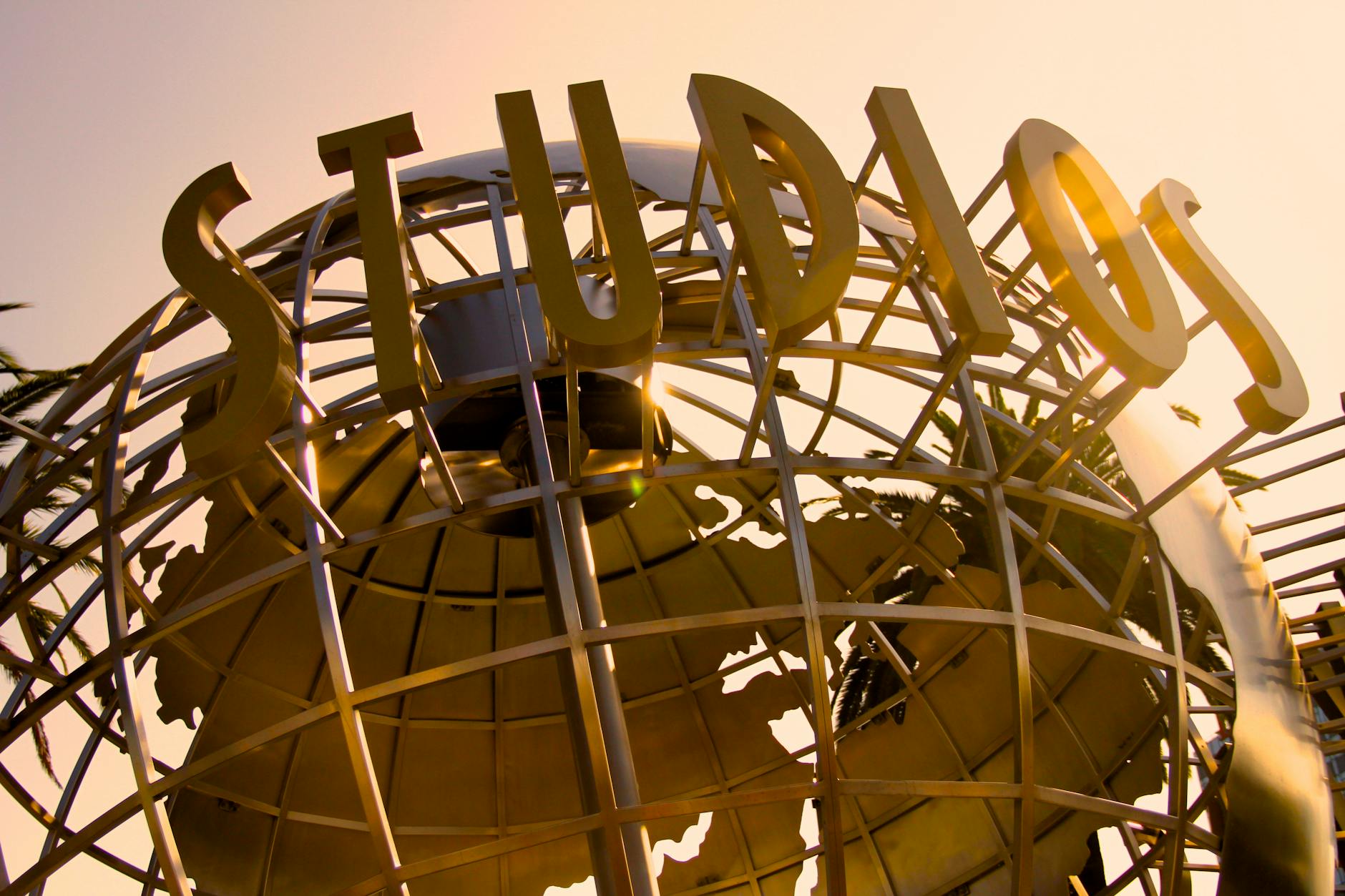
Universal Orlando Resort has transformed itself from a one-day competitor to Disney into a full-scale multi-day destination, especially since the opening of Epic Universe in May 2025. The resort now features four theme parks, the Universal CityWalk entertainment district, and a growing collection of themed resort hotels. Check our Orlando theme parks guide for the latest updates and pricing.
Universal Studios Florida is the original park, themed around movies, television, and pop culture. Highlights include the Wizarding World of Harry Potter — Diagon Alley (connected to Islands of Adventure’s Hogsmeade via the Hogwarts Express), the Revenge of the Mummy indoor coaster, the hilarious Minion Land, and Transformers: The Ride 3D. The park is compact and can be experienced in a single day, though rush visitors through the Wizarding World section may want extra time. This Orlando theme parks guide is updated regularly with the newest information.
Islands of Adventure is widely regarded as having the best collection of thrill rides in Orlando. The Jurassic World VelociCoaster is one of the top-rated roller coasters in the world, featuring four inversions and speeds up to 70 mph. Hagrid’s Magical Creatures Motorbike Adventure is an innovative story coaster through the Forbidden Forest. The Incredible Hulk Coaster, the Amazing Adventures of Spider-Man, and Jurassic World River Adventure round out an exceptional lineup. Islands of Adventure also includes the charming Seuss Landing for families with very young children.
Universal Epic Universe is the newest and most ambitious theme park built in the United States in decades. Opened in May 2025, Epic Universe features five immersive worlds: Celestial Park (the central hub with the Starfall Racers dual coaster), SUPER NINTENDO WORLD (with Mario Kart: Bowser’s Challenge and Donkey Kong Mine Cart Madness), the Wizarding World of Harry Potter — Ministry of Magic, How to Train Your Dragon — Isle of Berk (the most family-friendly land), and Dark Universe (featuring thrilling encounters with classic movie monsters). Epic Universe has instantly become one of the most talked-about theme parks in the world. Plan for at least one full day, though a day and a half allows you to experience everything without rushing.
Universal’s Volcano Bay is a fully themed water park built around a 200-foot volcano. What sets Volcano Bay apart from other water parks is its TapuTapu virtual queue system — instead of standing in physical lines, you tap your wearable at a ride’s entrance to hold your place in a virtual queue and then explore the park or relax until it is your turn. Thrill seekers love the Ko’okiri Body Plunge (a 125-foot drop) and the Krakatau Aqua Coaster, while families enjoy the Kopiko Wai Winding River lazy river and Tot Tiki Reef play area.
SeaWorld Orlando and Discovery Cove
SeaWorld Orlando offers a unique blend of marine animal encounters, educational shows, and surprisingly intense roller coasters. For families who love animals and want a break from the sensory overload of Disney and Universal, SeaWorld provides a more relaxed pace while still delivering genuine thrills. As this Orlando theme parks guide details, smart planning is the key to a great vacation.
SeaWorld’s roller coaster lineup has quietly become one of the best in Orlando. Mako is a 200-foot-tall hypercoaster reaching 73 mph, Kraken is a floorless coaster with seven inversions, Manta offers a flying coaster experience where you ride face-down, Ice Breaker features a 93-foot-tall spike with a beyond-vertical drop, and Pipeline: The Surf Coaster is a stand-up coaster that simulates the feel of surfing. The new SEAQuest: Legends of the Deep is a first-of-its-kind suspended family dark ride opening in 2026, taking guests on a submersible adventure through underwater ecosystems.
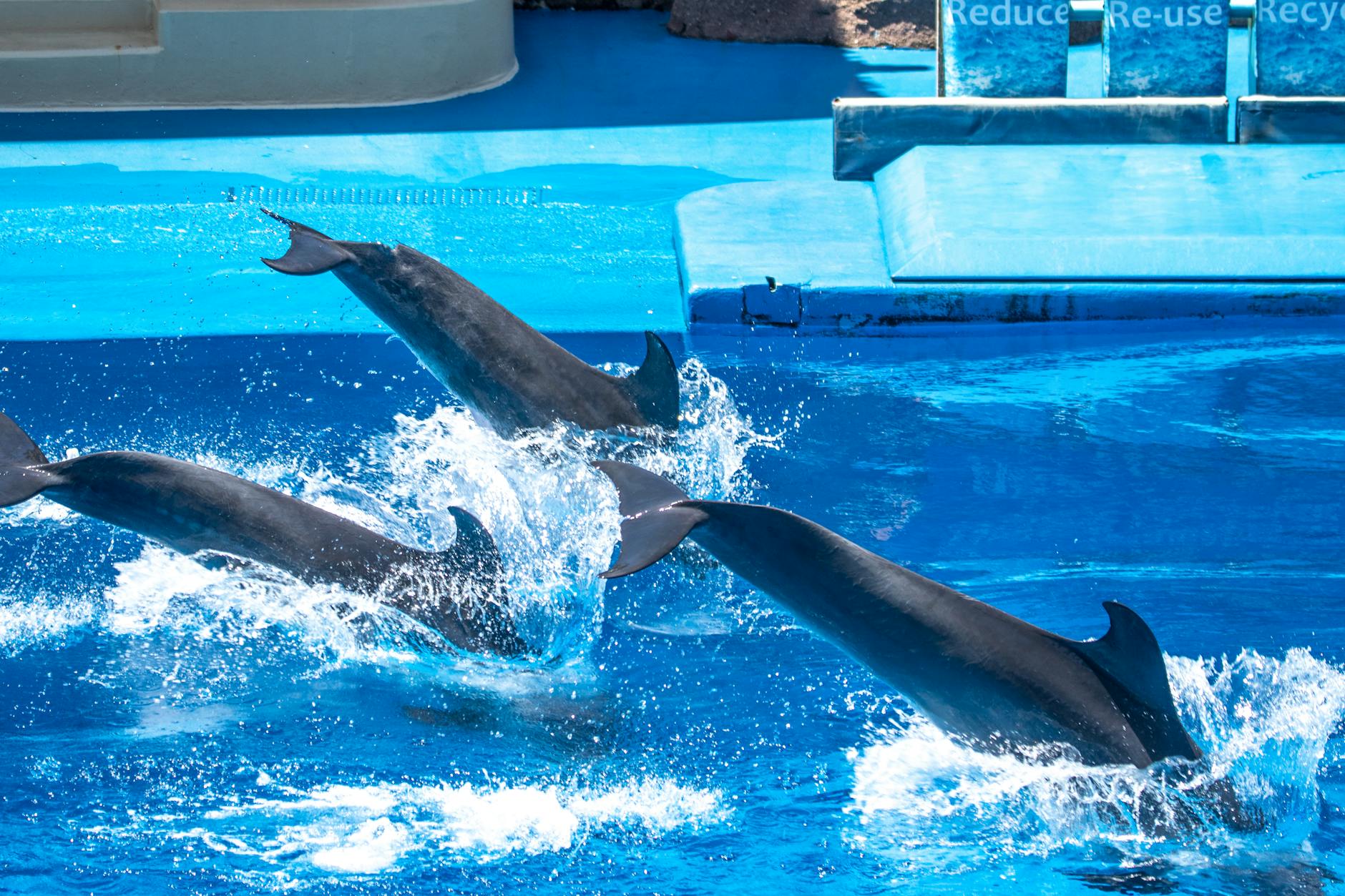
Beyond the coasters, SeaWorld excels at animal encounters. You can feed dolphins and stingrays, watch orcas and sea lions in educational presentations, and walk through habitats for penguins, sharks, manatees, and sea turtles. Sesame Street Land provides excellent attractions for preschool-age children, including rides, character meet-and-greets, and a daily parade.
Discovery Cove is SeaWorld’s premium all-inclusive day resort, limited to roughly 1,300 guests per day. For approximately $200-$350 per person, you get a full day that includes swimming with dolphins, snorkeling in a coral reef, floating down a tropical river with exotic birds overhead, and unlimited food and drinks all day. Discovery Cove is one of the most unique theme park experiences in Orlando and is worth the premium price for a truly special day.
Aquatica Orlando is SeaWorld’s water park, and it is consistently the most affordable major water park in Orlando at roughly $60 to $80 per ticket. Aquatica is especially popular with families who have toddlers, thanks to the excellent Walkabout Waters kids’ play area and a unique feature where you can slide through a tube that passes through a pool of Commerson’s dolphins.
LEGOLAND Florida Resort
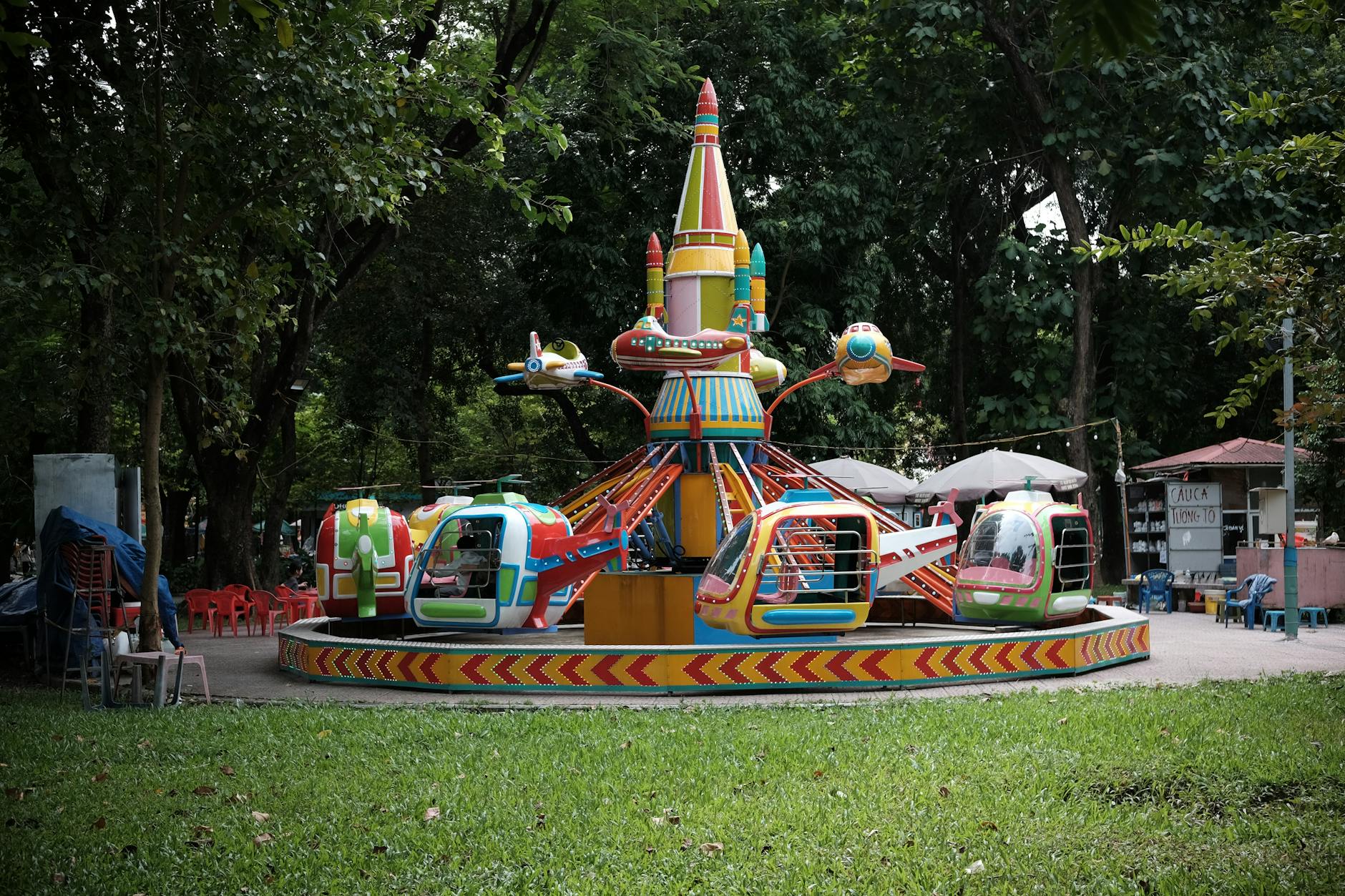
LEGOLAND Florida Resort is the premier Orlando theme park for families with young children ages 2 to 12. Located in Winter Haven, about 45 minutes southwest of Orlando, LEGOLAND is a full-scale multi-day destination that includes the main theme park, LEGOLAND Water Park, SEA LIFE Florida Aquarium, and the adjacent Peppa Pig Theme Park (the world’s first standalone Peppa Pig park).
The theme park features over 50 rides, shows, and attractions, including the new Galacticoaster indoor coaster that opened in February 2026 in a brand-new space-themed land. MINILAND USA showcases iconic American cities and landmarks built from millions of LEGO bricks. The LEGO Movie World area immerses families in the animated universe with interactive rides and character meet-and-greets.
LEGOLAND’s biggest advantage is its focus on the under-12 age group. While Disney and Universal have plenty of attractions for young children, they also cater heavily to teens and adults. At LEGOLAND, the entire park is designed around younger children, meaning shorter wait times, age-appropriate thrill levels, and an environment where your kids are the target audience for every single experience. If you have children between the ages of 2 and 10, LEGOLAND should absolutely be on your Orlando itinerary.
Other Notable Orlando Attractions
Beyond the major resort parks, the Orlando area offers several additional attractions worth considering. ICON Park on International Drive features The Wheel (a 400-foot observation wheel), Madame Tussauds, SEA LIFE Aquarium, and the Museum of Illusions. Gatorland has been a Florida classic since 1949, offering alligator and crocodile encounters, zip lines, and a surprisingly entertaining show schedule. Fun Spot America provides budget-friendly go-karts and coasters with free admission (pay per ride). And Kennedy Space Center Visitor Complex, just an hour east of Orlando, delivers a full day of space exploration history and is one of the most inspiring day trips in the state.
Orlando Theme Park Ticket Prices: A Complete Comparison
Understanding ticket prices is one of the most important parts of planning your Orlando vacation. Prices vary significantly between parks, and smart ticket strategies can save your family hundreds of dollars. Here is a comprehensive price comparison for 2026.
Single-Day Ticket Prices (2026)
Walt Disney World: Disney uses date-based pricing, meaning the cost of a single-day ticket varies depending on which day you visit and which park you choose. The cheapest single-day tickets start at $119 for Animal Kingdom or Hollywood Studios on a low-demand weekday, while a peak-season Magic Kingdom ticket can reach $209. On average, expect to pay $140 to $175 per person per day for a single-park ticket.
Universal Orlando: Single-park tickets start at $119 per day, with park-to-park tickets (allowing you to visit multiple parks in one day, which is necessary for riding the Hogwarts Express) starting at $174. Universal’s pricing is competitive with Disney’s and scales with demand. The best multi-day value is the 6- or 7-day park-to-park ticket covering all four parks including Epic Universe, priced at the equivalent of a 5-day ticket — bringing the per-day cost down to roughly $65.
SeaWorld Orlando: Single-day tickets start at approximately $67 online, making SeaWorld the most affordable of Orlando’s major theme parks. The All-Day Dining Deal adds roughly $40 to $45 per adult and provides unlimited meals at participating restaurants throughout the day — an exceptional value that often pays for itself by lunch.
LEGOLAND Florida: Starting at $54 per day for advance online purchase, LEGOLAND is the cheapest major theme park in Central Florida. Combo tickets that include the water park or Peppa Pig Theme Park offer even better per-experience value. Children under 2 enter free.
Money-Saving Ticket Strategies
The single biggest way to save on Orlando tickets is to buy multi-day passes. Disney’s per-day cost drops significantly from a 1-day ticket ($119-$209) to a 4-day ticket (roughly $100-$115 per day). Universal’s multi-day pricing drops even more dramatically, from $119-$199 single-day to approximately $65 per day for a 3+ day pass including all four parks.
Always buy tickets from authorized resellers like Undercover Tourist, which typically offer 5 to 15 percent discounts over gate prices. Never buy tickets from unofficial sellers, street vendors, or too-good-to-be-true online deals — ticket fraud is common in Orlando. Florida residents and U.S. military members qualify for substantial discounts at all major parks. Children under 3 enter free at Disney World, Universal Orlando, SeaWorld, and most major parks.
Skip-the-Line Passes: Lightning Lane vs. Express Pass vs. Quick Queue
Each Orlando resort offers its own system for skipping standby lines, and understanding the differences can make or break your park experience.
Disney’s Lightning Lane system offers three tiers. Lightning Lane Multi Pass ($15 to $30 per person per day, depending on the park and date) lets you book time slots for multiple attractions throughout the day. Lightning Lane Single Pass ($10 to $25 per attraction) allows one-time priority access to individual high-demand rides like TRON, Guardians of the Galaxy, and Rise of the Resistance. Lightning Lane Premier Pass (starting at $129+ per person per day at Magic Kingdom) provides one-time access to every Lightning Lane attraction in the park without needing to book time slots — it is the most convenient but also the most expensive option.
Universal Express Pass ($90 to $300+ per person per day, depending on the park and date) provides one-time priority access to most attractions. Universal Express Unlimited (slightly higher priced) offers unlimited priority access with no restrictions on re-riding. The best Universal Express hack is staying at one of Universal’s Premier hotels (Portofino Bay, Hard Rock Hotel, Royal Pacific, or Aventura Hotel), where Universal Express Unlimited is included free for the duration of your stay — a perk that can be worth hundreds of dollars per person.
SeaWorld’s Quick Queue ($25 to $50 per person per day) is the most affordable skip-the-line option in Orlando and provides unlimited priority access to most attractions. Given SeaWorld’s typically shorter lines compared to Disney and Universal, Quick Queue is often unnecessary on low-crowd days but provides excellent value during peak seasons.
When to Visit Orlando Theme Parks
Choosing the right time to visit Orlando can be the difference between a magical vacation and an exhausting, overcrowded, overpriced experience. Crowd levels, weather, ticket prices, and special events all fluctuate dramatically throughout the year.
Best Months to Visit (Low Crowds and Lower Prices)
The absolute best time to visit Orlando for low crowds is mid-January through mid-February (after the New Year’s rush, before Presidents’ Day) and September through early October (after Labor Day, when families are back in school). During these windows, you will find the shortest wait times of the year — often 15 to 30 minutes for rides that have 90-minute waits in summer — plus the lowest hotel rates and cheapest ticket prices.
Other good times include late August (when East Coast schools have started), early May (before summer crowds arrive), and the first two weeks of December (holiday decorations are up but the massive Christmas-week crowds have not yet arrived). Tuesdays through Thursdays are consistently the least crowded days of the week at all Orlando parks.
Times to Avoid (Unless You Plan Strategically)
Spring break (mid-March through mid-April) brings some of the highest crowds of the year, staggered across multiple weeks as different school districts take their breaks. Summer (mid-June through mid-August) combines peak crowds with intense Florida heat — temperatures regularly hit 95°F with 80% humidity, and afternoon thunderstorms are a near-daily occurrence. Thanksgiving week and Christmas through New Year’s are the most crowded periods of the entire year, with parks regularly reaching capacity.
That said, visiting during peak times is not terrible if you plan strategically. Use skip-the-line passes, arrive at rope drop (30 to 45 minutes before park opening), prioritize your must-do rides first thing in the morning, and build in afternoon rest breaks back at your hotel. Many families find that even during crowded periods, the right strategy makes for an excellent vacation.
Orlando Weather by Season
Winter (December through February): Highs of 70 to 75°F, lows of 50 to 55°F. Occasional cold snaps can drop temperatures into the 40s. Bring layers. Rain is infrequent.
Spring (March through May): Highs of 80 to 90°F, lows of 60 to 70°F. Comfortable and pleasant, with increasing humidity as summer approaches. Rain picks up in May.
Summer (June through August): Highs of 90 to 95°F, lows of 75°F, with extreme humidity. Afternoon thunderstorms are nearly guaranteed every day. Bring a poncho, stay hydrated, and plan for indoor or water-based activities during the hottest hours (1 PM to 4 PM).
Fall (September through November): Highs of 80 to 90°F early, cooling to 75 to 80°F by November. Hurricane season runs June through November, with peak activity in September and October. Theme parks have detailed hurricane procedures and rarely close for more than a day — but travel insurance is strongly recommended if visiting during this window.
How Many Days Do You Need in Orlando?
One of the most common questions we hear is how long to plan for an Orlando theme park vacation. The answer depends on which parks you want to visit and your touring pace, but here are our recommendations based on experience.
Disney World only: Plan for 5 to 7 days. Allow one full day per theme park (4 days), plus one extra day for Magic Kingdom (it is the largest and most attraction-dense park), one day for a water park or Disney Springs, and one rest day. First-time visitors should absolutely not try to cram four parks into three days.
Universal Orlando only: Plan for 3 to 4 days. One day for Universal Studios Florida, one day for Islands of Adventure, one to one and a half days for Epic Universe, and optionally one day for Volcano Bay. The parks are more compact than Disney’s, so aggressive tourers can sometimes combine Universal Studios and Islands of Adventure into one very full day with park-to-park tickets.
Disney + Universal: Plan for 7 to 10 days. This is the most common combination for visitors coming from outside Florida, and it gives you enough time to experience the highlights of both resorts without burning out.
All major parks (Disney, Universal, SeaWorld, LEGOLAND): Plan for 10 to 14 days. Add one day for SeaWorld, one day for LEGOLAND (especially if you have children under 10), and one or two days for water parks, rest, or day trips to Kennedy Space Center or the beaches.
Where to Stay: Hotels and Accommodation
Choosing the right accommodation is one of the most impactful decisions you will make for your Orlando vacation. The choice between on-property resorts, off-site hotels, and vacation rentals affects your transportation, daily schedule, budget, and overall experience.

On-Property Resort Hotels
Disney World resorts range from Value ($150 to $250 per night), Moderate ($250 to $400), to Deluxe ($400 to $800+). Staying on Disney property gives you Early Theme Park Entry (30 minutes before regular opening at all four parks), complimentary transportation via buses, monorail, Skyliner gondola, and boats, and the immersive experience of being “inside the Disney bubble.” The trade-off is higher prices and captive-audience dining costs.
Universal Orlando hotels are organized into Premier, Preferred, and Prime Value tiers. The Premier hotels (Hard Rock Hotel, Portofino Bay, Royal Pacific, and Aventura Hotel) include free Universal Express Unlimited passes for all guests during their stay — a perk that can easily be worth $200+ per person per day. Universal hotels also offer Early Park Admission to the Wizarding World of Harry Potter and select Epic Universe attractions one hour before regular opening.
Off-Property Hotels
Off-property hotels along International Drive, in Kissimmee, and in Lake Buena Vista typically cost 30 to 60 percent less than on-property resorts. Many include free breakfast, larger rooms, and full kitchens or kitchenettes. The trade-offs include paying for parking at the parks ($25 to $60 per day depending on the park), no Early Entry perks, and 10 to 30 minute commute times. For families visiting both Disney and Universal, off-property hotels in the International Drive corridor offer a convenient central location between both resorts.
Vacation Rentals
Vacation home rentals in communities like Champions Gate, Reunion, and Windsor Hills offer the most space per dollar. A 4-bedroom vacation home with a private pool typically costs $150 to $300 per night — significantly less per person than a hotel room when traveling with a large family or group. Full kitchens allow you to cook breakfast and store snacks, saving significantly on food costs. The main drawbacks are the lack of resort perks and the necessity of a rental car.
Getting Around Orlando
Orlando is a car-dependent city, but whether you actually need a rental car depends on your itinerary.
Disney-only trips: You likely do not need a rental car. Disney’s complimentary transportation network (buses, monorail, Skyliner, boats) connects every resort to every park, and airport shuttle services like Mears Connect ($32+ roundtrip) handle the airport transfer. The trade-off is that Disney transportation can be slow — budget 30 to 60 minutes for some resort-to-park routes.
Multi-resort trips: A rental car or consistent rideshare use becomes more practical. There is no direct transportation between Disney World and Universal Orlando, so you will need Uber or Lyft ($15 to $25, 15 to 20 minutes), a shuttle service, or your own car. Parking costs $25 to $60 per day at the major parks, so factor that into your rental car budget.
From the airport: Orlando International Airport (MCO) is roughly 25 minutes from the Disney area and 20 minutes from the Universal area. Uber and Lyft cost approximately $25 to $40 each way. Mears Connect offers a budget shuttle option. Several hotels offer complimentary airport shuttles — always check before booking a separate transfer.
Dining at Orlando Theme Parks
Food is one of the biggest expenses of any Orlando vacation, often rivaling ticket costs for a family. The good news is that Orlando’s theme park dining scene has dramatically improved in recent years, and there are strategies to manage costs without sacrificing quality.
Quick-service meals at Disney and Universal typically cost $12 to $20 per adult entree. Table-service restaurants range from $25 to $60 per person. Signature dining experiences can run $60 to $100+ per person. Expect to spend approximately $60 to $75 per adult per day on food if eating exclusively inside the parks.
Disney Dining Plan: Disney offers a Quick-Service Dining Plan (approximately $60 per adult per night) and a standard Dining Plan (approximately $98 per adult per night). The Dining Plan is worth it primarily if you plan to eat at signature and character dining restaurants — otherwise, paying out-of-pocket for quick-service meals is usually cheaper. In 2026, Disney is offering free kids’ dining (ages 3-9) with select vacation packages, which significantly improves the value.
Budget-saving food strategies: Bring refillable water bottles (all parks have free water stations). Bring your own snacks — granola bars, trail mix, and fruit are all permitted. Eat a large breakfast at your hotel before heading to the parks. Share entrees at quick-service restaurants, where portions are often generous. Consider grocery delivery to your hotel for breakfast items and snacks.
Orlando Water Parks
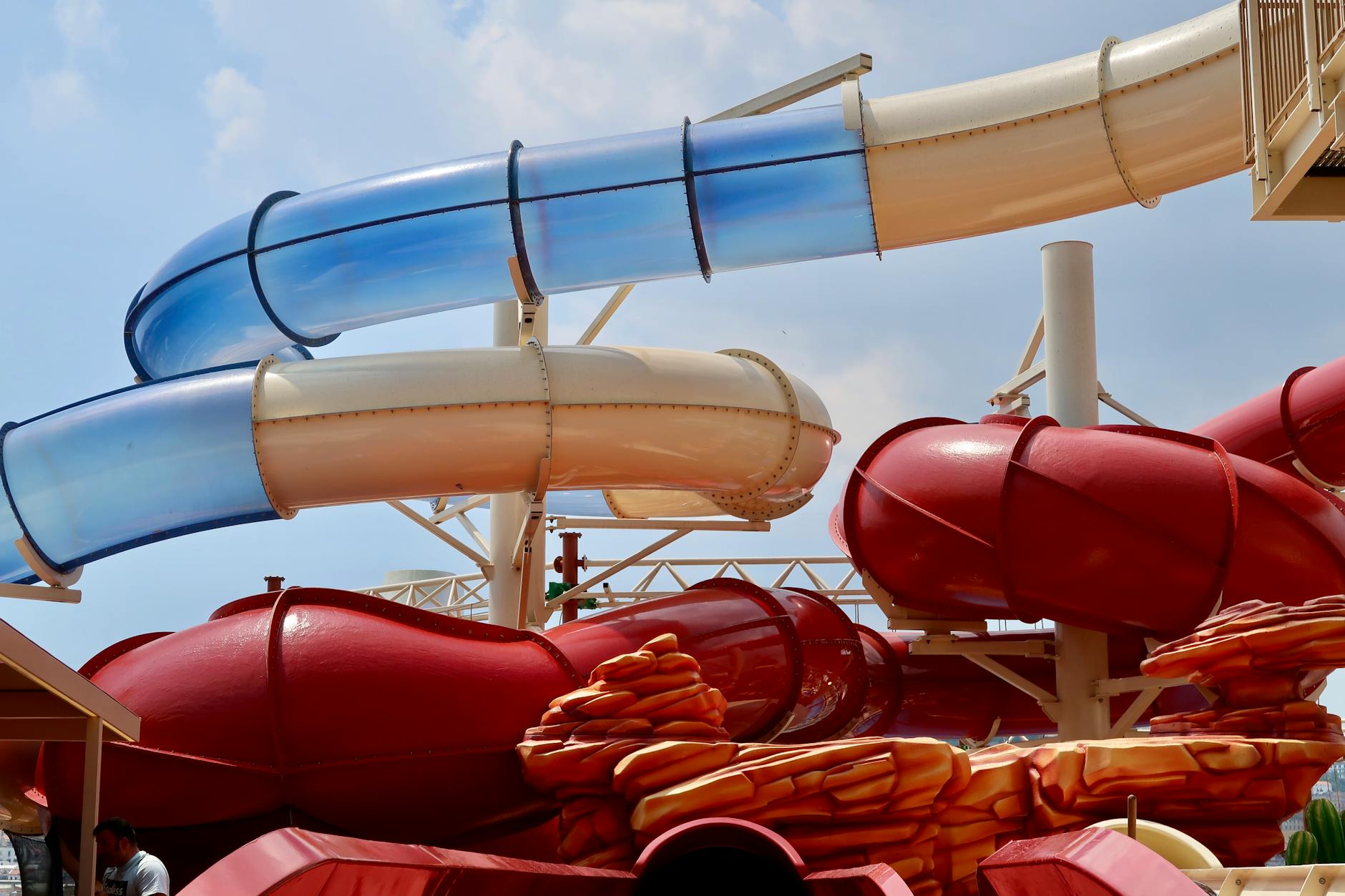
Orlando is home to four major water parks, each with a distinct personality. Typhoon Lagoon features the largest wave pool in North America and a laid-back tropical atmosphere. Blizzard Beach is themed as a melting ski resort and features Summit Plummet, one of the fastest body slides in the world. Volcano Bay offers the most innovative experience with its TapuTapu virtual queue system and thrilling slides. Aquatica is the most affordable and family-friendly option, with excellent toddler areas and the unique dolphin-viewing slide.
Note that Disney’s water parks follow seasonal closure schedules: Typhoon Lagoon typically closes in January and February for refurbishment, while Blizzard Beach closes in October and November. Volcano Bay and Aquatica operate year-round with heated pools during cooler months.
What’s New at Orlando Theme Parks in 2026
Orlando never stops evolving, and 2026 brings an exciting lineup of new attractions and experiences across every major resort.
Walt Disney World: Big Thunder Mountain Railroad has returned with a complete refurbishment featuring a new track, new trains, rainbow caverns, and refreshed Audio-Animatronics. Buzz Lightyear’s Space Ranger Spin has been redesigned with new ride vehicles, onboard video monitors for real-time scoring, and upgraded interactive targets. The beloved Muppets are taking over Rock ‘n’ Roller Coaster at Hollywood Studios this summer. EPCOT’s Frozen Ever After has received updated Anna, Elsa, and Kristoff animatronics. Bluey and Bingo are making their Disney debut at Animal Kingdom’s Conservation Station with interactive meet-and-greets.
SeaWorld Orlando: The biggest addition is SEAQuest: Legends of the Deep, a first-of-its-kind suspended family dark ride that takes guests on a submersible adventure through underwater ecosystems.
LEGOLAND Florida: Galacticoaster, an indoor family coaster in a brand-new space-themed land, opened in February 2026 and invites families to build customizable spacecraft before their cosmic adventure.
Beyond the Parks: Level 99 has debuted at Disney Springs, replacing the former NBA Experience with an interactive adult obstacle course featuring over 50 physical and mental challenges, plus a bar and restaurant. Sloth World, the world’s first Slotharium, has opened on International Drive.
Insider Tips for Orlando Theme Parks
After extensive research and years of visiting Orlando’s parks, here are the most impactful tips that will genuinely improve your theme park experience.

Rope Drop Is Your Most Powerful Tool
Arriving 30 to 45 minutes before official park opening is the single most effective strategy for beating crowds. In the first 60 to 90 minutes after a park opens, you can often ride 3 to 5 major attractions with minimal wait times — accomplishing what would take 3 to 4 hours later in the day. This is especially critical for high-demand rides like TRON, Rise of the Resistance, VelociCoaster, and Hagrid’s Magical Creatures Motorbike Adventure.
Head Right, Not Left
Studies show that most people naturally turn left when entering a theme park and move clockwise. Do the opposite — head to the right side or the back of the park first, and you will consistently find shorter lines for the first few hours.
Ride During Shows and Parades
When a parade, fireworks show, or major entertainment event is running, ride lines across the park drop significantly as crowds gather to watch. If you have already seen the parade once or can skip the nighttime show, use these windows to knock out popular attractions with drastically reduced wait times.
Download Every Park App Before You Go
The My Disney Experience app and the Universal Orlando app are essential tools for checking real-time wait times, making dining reservations, managing Lightning Lane and Express Pass purchases, and navigating the parks. Download them before your trip and set up your accounts in advance so you are not fumbling with technology on your first park morning.
Build In Rest Days
One of the most common mistakes Orlando visitors make is scheduling a theme park every single day. Park fatigue is real, especially in the Florida heat. Build at least one rest day into every five days of parks. Use rest days for the hotel pool, Disney Springs or CityWalk (both free entry), a beach day trip, or simply sleeping in. You will return to the parks refreshed and enjoy them significantly more.
Use the Midday Break Strategy
Hit the parks at rope drop, ride aggressively until noon, then return to your hotel for lunch, a pool break, and a nap. Return to the park around 4 or 5 PM and stay through closing. This strategy avoids the hottest and most crowded hours of the day (1 PM to 4 PM), keeps your energy levels high, and lets you enjoy the parks when temperatures are cooler and lines are shorter in the evening.
Budget Planning: What Does an Orlando Vacation Actually Cost?
An Orlando theme park vacation is a significant investment, and honest budget planning prevents unpleasant financial surprises. Here is a realistic breakdown of what a family of four (two adults and two children ages 3 to 9) should expect to spend for a 7-day Disney-focused trip in 2026.
Park Tickets: 5-day base tickets for two adults and two children run approximately $2,200 to $2,600, depending on the dates. Add Lightning Lane Multi Pass for all five days at another $400 to $600.
Accommodation: A Disney Value Resort for 7 nights costs approximately $1,200 to $1,800. An off-site hotel in Kissimmee runs $600 to $1,000. A vacation rental with a private pool costs $1,000 to $2,000 for the week.
Dining: Eating at park restaurants costs approximately $60 to $75 per adult and $30 to $40 per child per day. Over a 7-day trip, that is roughly $1,600 to $2,300 for the family. You can reduce this significantly by eating breakfast at your hotel, bringing snacks, and mixing quick-service with table-service meals.
Transportation: Airport transfers ($50 to $100 roundtrip), parking if off-site ($25 to $50 per day), and incidental Uber and Lyft rides can add $200 to $500 to your total.
Extras: Souvenirs, character experiences, special events, and incidentals typically add $300 to $700.
Total realistic range for a family of four, 7-day Disney trip: $5,500 to $8,500, depending on your accommodation choices, dining habits, and extra purchases. Families visiting both Disney and Universal should budget $7,500 to $11,000+ for a 10-day trip.
Accessibility and Special Needs
All Orlando theme parks provide accommodations for guests with disabilities, and the area is one of the most accessible tourist destinations in the world.
Disney’s Disability Access Service (DAS) allows guests who cannot wait in conventional queues due to developmental disabilities to receive return times for attractions, avoiding the physical standby line while waiting elsewhere. DAS registration must be completed in advance through the My Disney Experience app or by video chat with a Disney Cast Member.
Universal’s Attraction Assistance Pass (AAP) requires guests to obtain an IBCCES Individual Accessibility Card (IAC) by registering at AccessibilityCard.org prior to their visit. Once registered, Guest Services at the park will set up your attraction accommodations.
All parks offer wheelchair and ECV (electric scooter) rentals, companion restrooms, sensory guides for guests with autism or sensory processing differences, and service animal accommodations. If traveling with a young child who needs to remain in a stroller for medical reasons, you can obtain a “stroller as wheelchair” tag from Guest Services, allowing you to keep the stroller in attraction queues.
Start Planning Your Orlando Theme Park Vacation
Planning an Orlando theme park vacation involves a lot of decisions, but the payoff is one of the most magical, exciting, and memorable family experiences you can have anywhere in the world. Orlando’s theme parks are continuously evolving, expanding, and improving, and 2026 is an exceptional year to visit with new attractions across every major resort.
Use this guide as your starting point, and dive deeper into our individual park guides, ticket comparisons, dining reviews, and accommodation recommendations for the specific information you need to plan your perfect trip. The most important advice we can give is this: start planning early, set a realistic budget, do not try to do too much in too few days, and remember that the goal is to have fun together — not to check every single attraction off a list.
Orlando is waiting for you. Let’s make it unforgettable.
Frequently Asked Questions About Orlando Theme Parks
How many theme parks are there in Orlando?
Orlando is home to more than a dozen major theme parks and attractions. The primary parks include Walt Disney World’s four theme parks (Magic Kingdom, EPCOT, Hollywood Studios, Animal Kingdom), Universal Orlando’s four parks (Universal Studios Florida, Islands of Adventure, Epic Universe, Volcano Bay), SeaWorld Orlando, Aquatica, Discovery Cove, LEGOLAND Florida, and Peppa Pig Theme Park. Additional attractions include ICON Park, Gatorland, and Fun Spot America.
What is the cheapest Orlando theme park to visit?
LEGOLAND Florida is the cheapest major Orlando theme park at $54 per day for advance online purchase. SeaWorld Orlando is the next most affordable at approximately $67 per day. Both offer significantly lower prices than Disney World ($119-$209 per day) and Universal Orlando ($119+ per day). Children under 3 enter free at all major parks, and LEGOLAND admits children under 2 for free.
When is the best time to visit Orlando theme parks?
The best times for low crowds and lower prices are mid-January through mid-February and September through early October. The worst times for crowds are spring break (mid-March to mid-April), summer (mid-June to mid-August), Thanksgiving week, and Christmas through New Year’s. Visit on Tuesdays through Thursdays for the shortest lines regardless of season.
Do I need a rental car in Orlando?
For Disney-only trips, a rental car is usually unnecessary thanks to Disney’s free transportation system and airport shuttle services. For multi-resort trips visiting both Disney and Universal, a rental car or regular rideshare use becomes more practical since there is no direct transportation between the two resorts. If you plan to do day trips (Kennedy Space Center, beaches), a rental car is strongly recommended.
How much does an Orlando theme park vacation cost?
A realistic budget for a family of four on a 7-day Disney-focused trip is $5,500 to $8,500, covering tickets, accommodation, food, transportation, and extras. Families visiting both Disney and Universal should budget $7,500 to $11,000+ for a 10-day trip. Costs vary significantly based on accommodation choices (on-property vs. off-site), dining habits, and time of year.
Which Orlando theme park is best for toddlers?
LEGOLAND Florida is specifically designed for children ages 2 to 12 and is the best overall park for toddlers and preschoolers. For families who want to include a major park, Magic Kingdom at Walt Disney World offers the most toddler-friendly attractions (Dumbo, It’s a Small World, The Many Adventures of Winnie the Pooh, Buzz Lightyear), baby care centers, and rider swap services. SeaWorld’s Sesame Street Land is another excellent option for the youngest visitors.
Leave a Reply