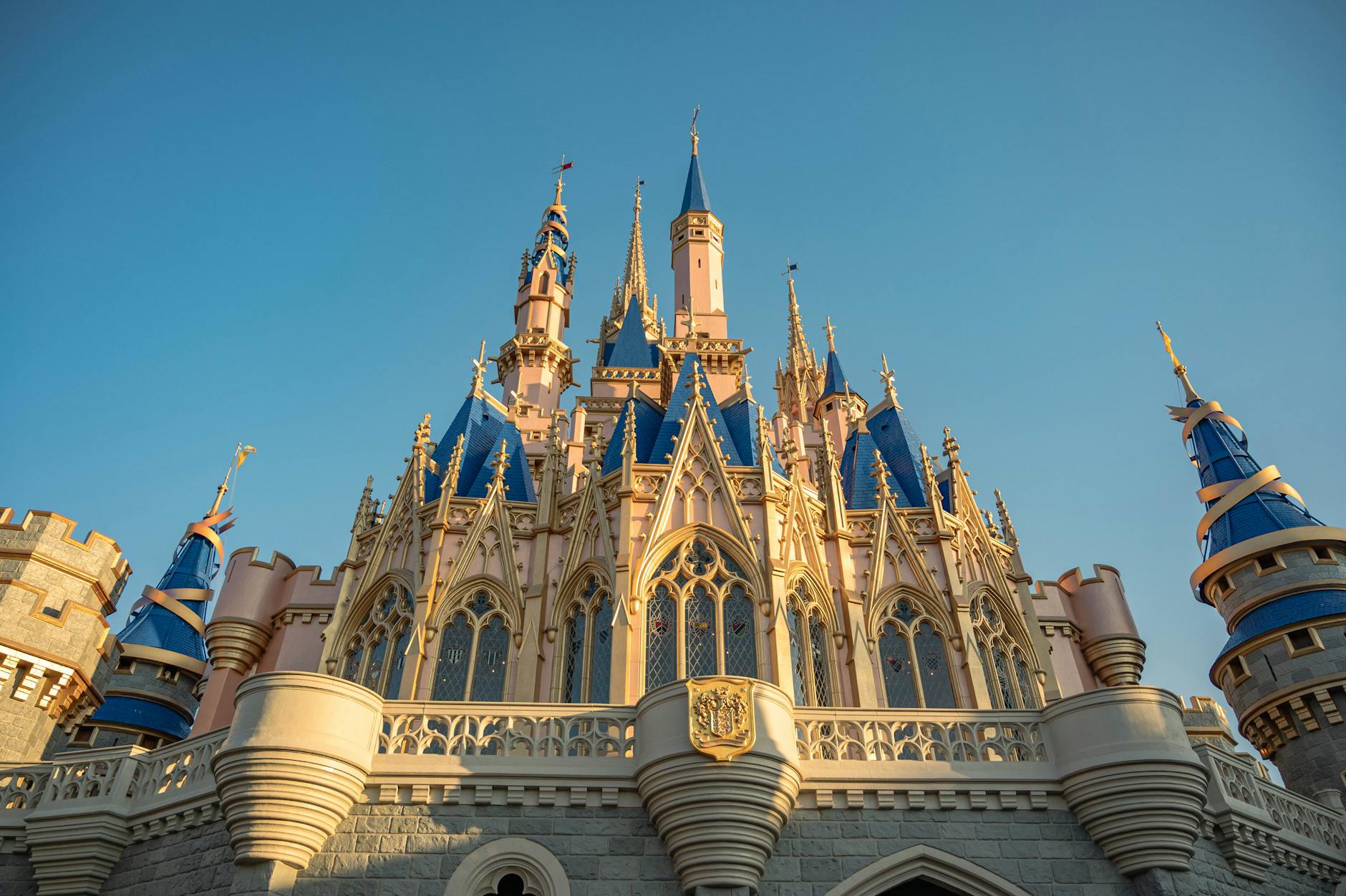
Welcome to our Walt Disney World guide — the most thorough, up-to-date planning resource you will find anywhere online. Walt Disney World Resort in Orlando, Florida is the most visited vacation destination on Earth, welcoming over 58 million guests across its four theme parks every year. Spanning roughly 25,000 acres — about the size of San Francisco — the resort encompasses four world-class theme parks, two water parks, the Disney Springs entertainment district, more than 25 resort hotels, four golf courses, and an elaborate transportation network that includes buses, monorails, ferries, and the Disney Skyliner gondola system.
But Walt Disney World’s sheer scale is exactly what makes it so overwhelming to plan. With hundreds of attractions, dozens of restaurants, constantly evolving ticket structures, three different Lightning Lane tiers, seasonal events that transform entire parks, and resort hotel options ranging from $150 to $800+ per night, first-time visitors and returning guests alike face a staggering number of decisions. A poorly planned Disney World trip can mean exhausting days spent in two-hour queues, budget overruns that add thousands to your total cost, and the sinking feeling that you missed the best experiences because you did not know they existed.
That is exactly why we created this Walt Disney World guide — to give you everything you need to plan the perfect trip. Whether you are a first-time visitor trying to figure out where to start, a returning guest looking for what has changed in 2026, or a Disney veteran hunting for advanced strategies to maximize your time and money, this guide covers it all. We break down every park ride by ride, explain exactly how Lightning Lane works (and whether it is worth the money), compare every resort tier honestly, reveal the insider tips that save hours of waiting, and give you realistic budget numbers so there are no financial surprises.
The Four Theme Parks of Walt Disney World
Walt Disney World’s four theme parks are the heart of any visit. Each park has a distinct personality, atmosphere, and attraction lineup, and understanding what each one offers is essential for planning your days efficiently. Here is a comprehensive overview of every park, including must-do attractions, realistic time estimates, and tips for making the most of your visit.
Magic Kingdom: The Quintessential Disney Experience
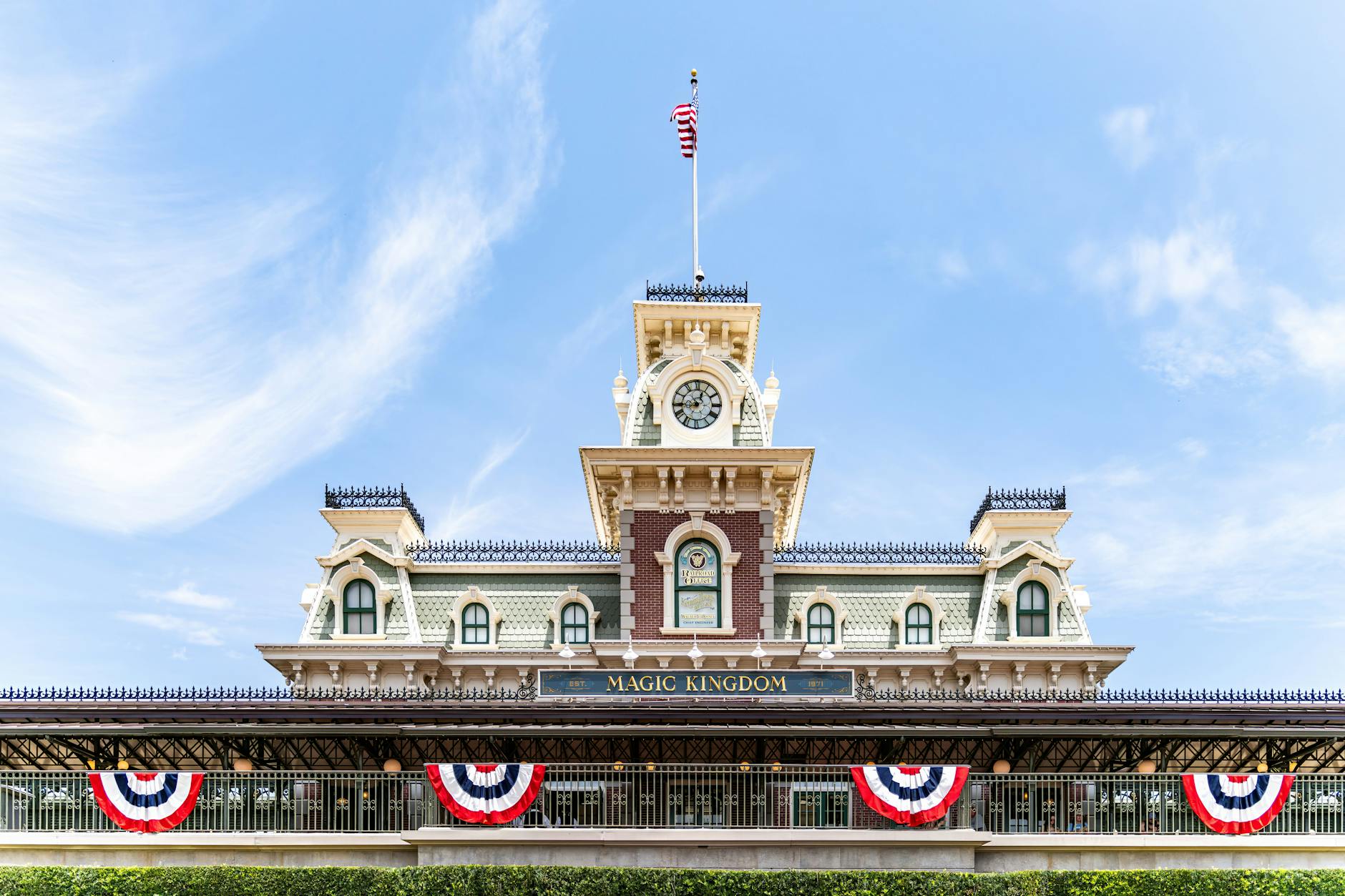
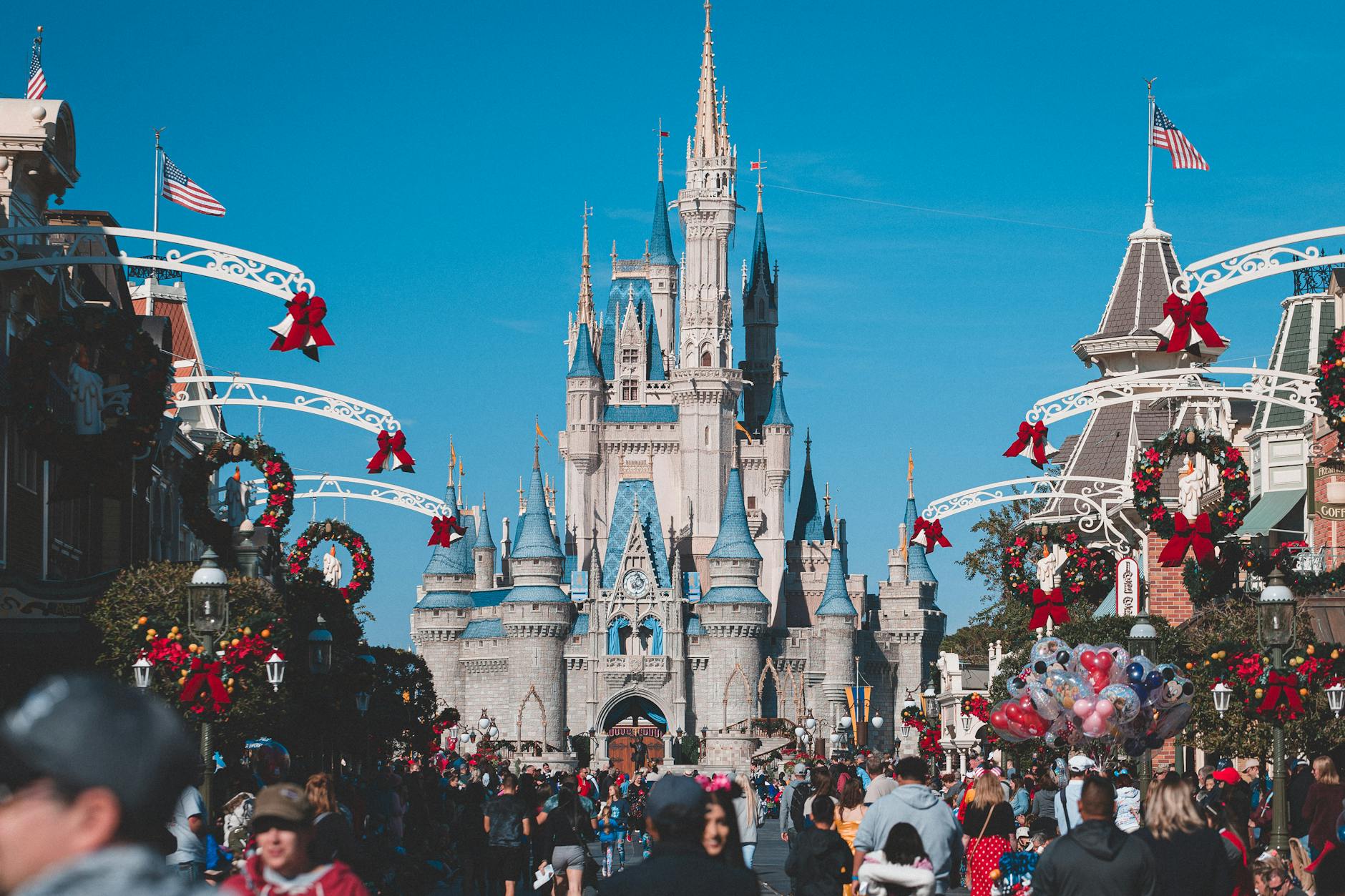
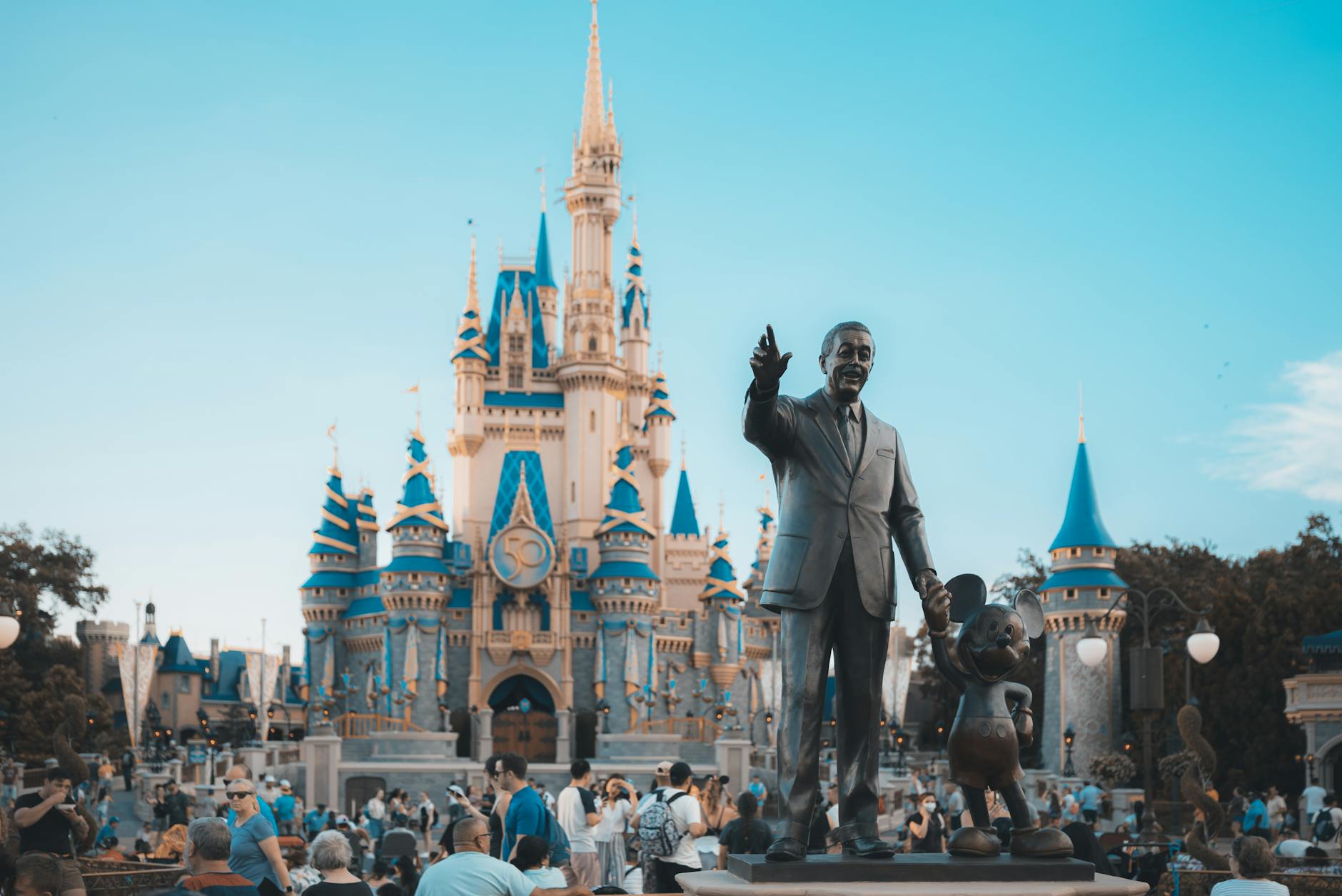
Magic Kingdom is the park most people picture when they think of Disney World. It is the most visited theme park on the planet, welcoming over 17 million guests annually, and it delivers the quintessential Disney experience — a perfect blend of nostalgia, wonder, and world-class storytelling. The park is organized into six themed lands radiating from the central hub in front of Cinderella Castle: Main Street U.S.A., Adventureland, Frontierland, Liberty Square, Fantasyland, and Tomorrowland.
Must-do attractions at Magic Kingdom in 2026 include TRON Lightcycle Run, the high-speed indoor-outdoor roller coaster that sends you hurtling through a neon-lit digital world at up to 59 mph — it is the most thrilling ride in the park and one of the best attractions built in the last decade. Space Mountain remains a classic after nearly 50 years, offering a roller coaster ride through total darkness. Big Thunder Mountain Railroad has returned from a year-long refurbishment in spring 2026 with a completely refreshed track, new trains, rainbow caverns effects, and updated Audio-Animatronics — it is essentially a brand-new ride wearing familiar clothes. Pirates of the Caribbean and the Haunted Mansion are timeless dark rides that should never be skipped, regardless of how many times you have visited. Buzz Lightyear’s Space Ranger Spin has also reopened in 2026 with redesigned ride vehicles, onboard video monitors for real-time scoring, and significantly upgraded interactive targets.
For families with young children, Fantasyland is the heart of the park. It’s a Small World, Peter Pan’s Flight, The Many Adventures of Winnie the Pooh, and the Barnstormer are all gentle, enchanting rides that delight toddlers and preschoolers. Peter Pan’s Flight consistently has the longest waits in Fantasyland (often 60 to 90 minutes) despite being a relatively brief ride — ride it first thing in the morning or use Lightning Lane. The Seven Dwarfs Mine Train is a family-friendly coaster that most children age 4 and up will enjoy, and it sits right at the intersection of “thrilling enough for parents, gentle enough for kids.”
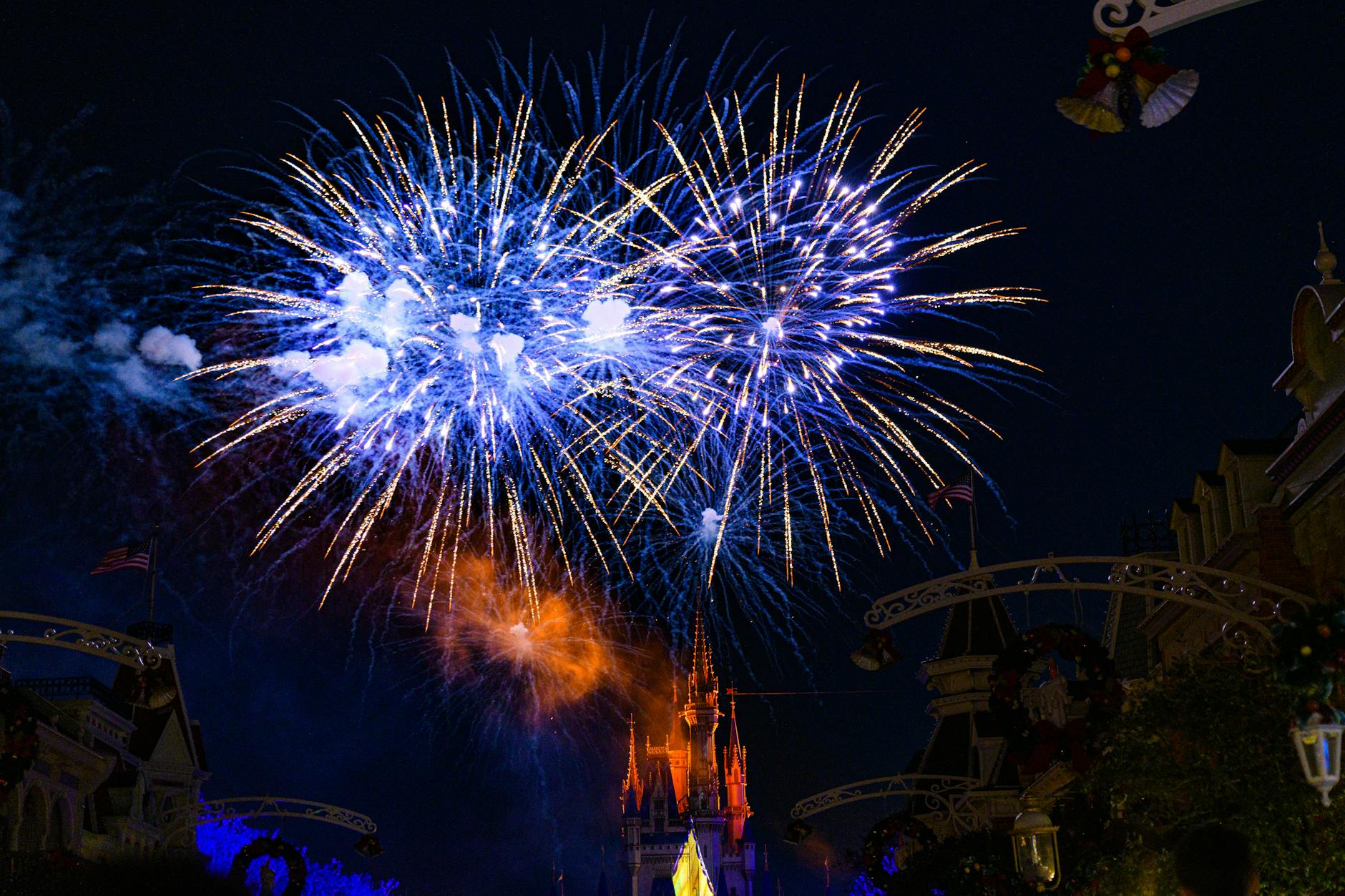
Plan for at least one full day at Magic Kingdom, though many families happily spend two days here. If you only have one day, arrive at rope drop, hit TRON and Big Thunder Mountain first, work through Fantasyland before the crowds peak, take a midday break, and return for the evening fireworks spectacular — Happily Ever After is one of the most stunning nighttime shows at any theme park in the world. This Walt Disney World guide strongly recommends staying until park close at Magic Kingdom, as the last 90 minutes typically see dramatically shorter wait times.
EPCOT: Innovation, Culture, and Festivals
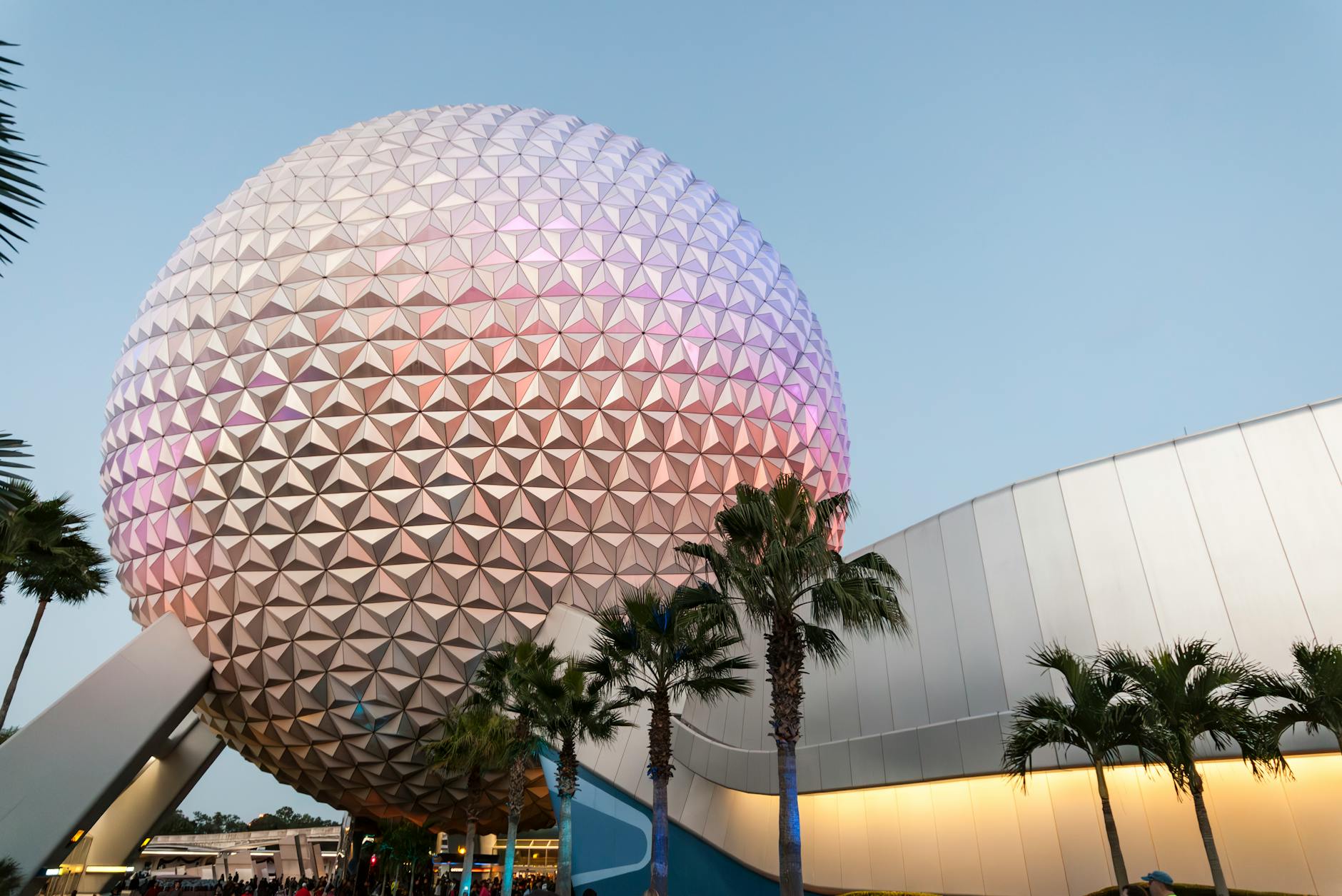
EPCOT has undergone the most dramatic transformation of any Walt Disney World park over the past five years, and in 2026 it is a fundamentally different — and significantly better — experience than what many returning visitors remember. The park is now organized around four neighborhoods: World Celebration, World Discovery, World Nature, and World Showcase.
The headliner attraction at EPCOT is Guardians of the Galaxy: Cosmic Rewind, a first-of-its-kind reverse-launch indoor coaster that features the world’s first “Omnicoaster” ride vehicles — cars that rotate 360 degrees to face the action no matter which direction the coaster is traveling. The ride experience changes based on a randomized playlist of songs from the Guardians of the Galaxy soundtrack, making every ride slightly different. Cosmic Rewind is available only through Lightning Lane Single Pass and is one of the hardest reservations to secure at Walt Disney World — book it the moment your window opens.
Spaceship Earth is the park’s iconic geodesic sphere and also a wonderfully relaxing dark ride through the history of human communication. Test Track lets you design a virtual concept car and then take it on a high-speed test run that reaches 65 mph. Journey of Water Inspired by Moana is a beautiful walk-through attraction where you interact with living water — it is a surprisingly delightful experience, especially for children. Soarin’ Across America, EPCOT’s newest film experience replacing the former Around the World version by Memorial Day 2026, takes guests on a thrilling hang-glider simulation over iconic American landscapes from the Grand Canyon to the Golden Gate Bridge.
World Showcase is EPCOT’s crown jewel — an 11-country journey around a 1.2-mile promenade featuring the pavilions of Mexico, Norway, China, Germany, Italy, the American Adventure, Japan, Morocco, France, the United Kingdom, and Canada. Each pavilion offers authentic architecture, cultural experiences, unique merchandise, and food and drink from that country. The dining throughout World Showcase is among the best at Walt Disney World: Le Cellier Steakhouse in Canada, Teppan Edo in Japan, Via Napoli in Italy, and Les Halles Boulangerie-Patisserie in France are all outstanding.
EPCOT’s festivals are a massive draw and run almost year-round: the International Festival of the Arts (January-February), Flower and Garden Festival (March-July), International Food and Wine Festival (late August-November), and Festival of the Holidays (November-December). During these festivals, dozens of temporary food booths appear around World Showcase offering small plates and specialty drinks from around the world. Many Disney regulars consider the Food and Wine Festival the best time of year to visit EPCOT. Plan for one full day at EPCOT, or two if visiting during a major festival.
Disney’s Hollywood Studios: Immersive Storytelling at Its Best
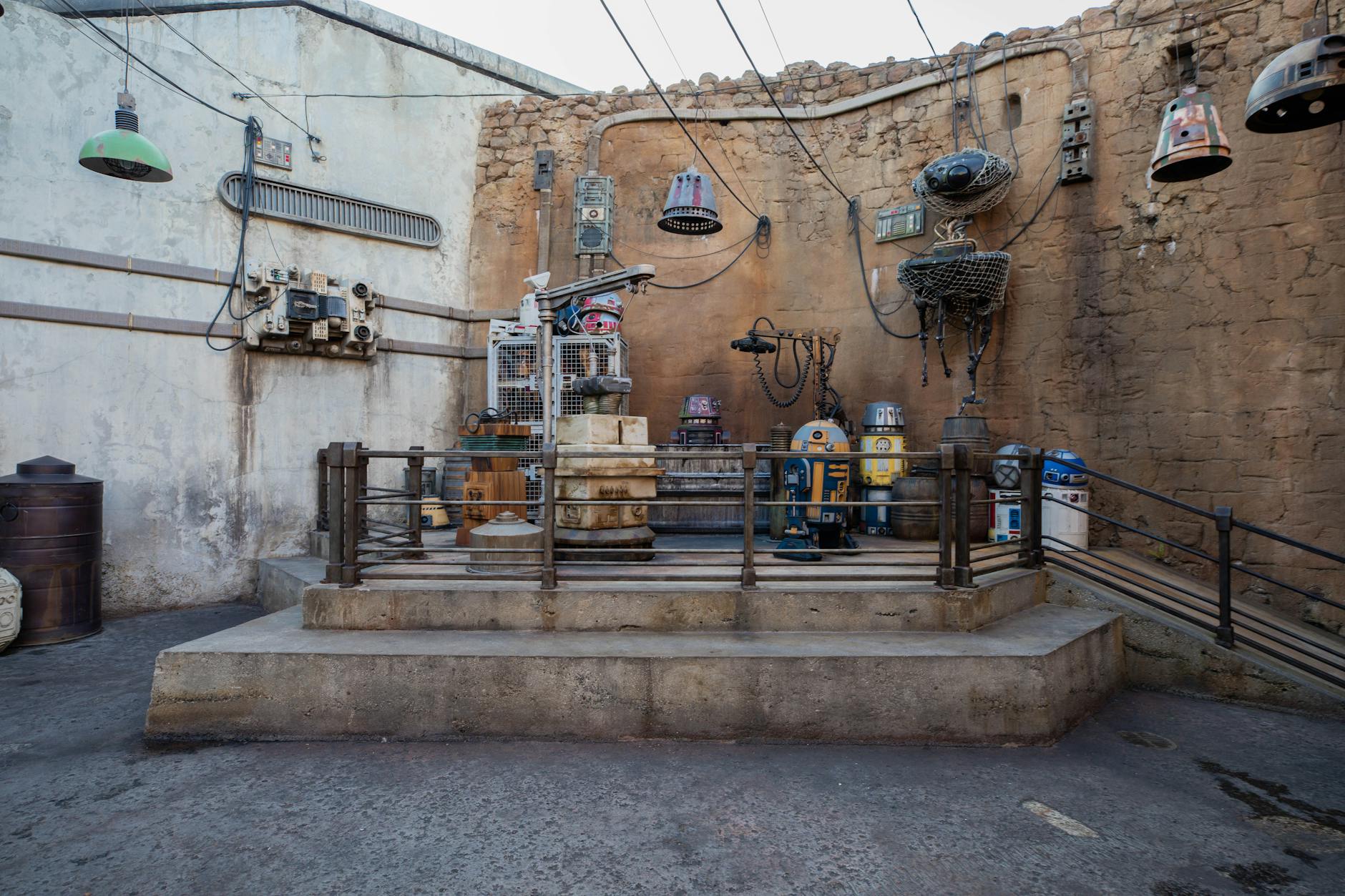
Disney’s Hollywood Studios is the smallest of the four Walt Disney World parks by physical area, but it packs an outsized punch with some of the most immersive and critically acclaimed attractions ever built. The park has reinvented itself over the past decade, and its current lineup of lands — Star Wars: Galaxy’s Edge, Toy Story Land, and the forthcoming Muppets-themed takeover of the Rock ‘n’ Roller Coaster — make it a must-visit for guests of all ages.
Star Wars: Rise of the Resistance is widely considered the greatest theme park attraction ever built. This 18-minute experience combines a trackless ride system, full-scale sets, live-action performers, and visual effects into an astonishing adventure that makes you feel like you have been captured by the First Order and must escape a Star Destroyer. No description does it justice — you simply have to experience it. The adjacent Millennium Falcon: Smugglers Run puts you in the cockpit of the most famous spaceship in the galaxy for an interactive smuggling mission where the pilot, gunner, and engineer positions each play a different role. Build a custom lightsaber at Savi’s Workshop ($249.99, reservation required) for one of the most emotional and memorable experiences available at any Disney park.
Toy Story Land shrinks you down to the size of a toy in Andy’s backyard. Slinky Dog Dash is an excellent family coaster with surprisingly enjoyable airtime moments, Alien Swirling Saucers is a gentle spinning ride perfect for younger children, and Toy Story Mania is an interactive 3D shooting dark ride that remains one of the most re-rideable attractions at Walt Disney World. Tower of Terror — the Twilight Zone Tower of Terror — drops you 13 stories in a haunted hotel elevator with a randomized drop sequence that keeps even experienced riders off-balance.
The biggest news at Hollywood Studios in 2026 is the transformation of Rock ‘n’ Roller Coaster. The Aerosmith-themed indoor coaster is being reimagined with a Muppets theme for summer 2026, featuring Kermit, Miss Piggy, Fozzie Bear, and the full Muppets crew in what Disney describes as a wild backstage chase to make it to their big show on time. The high-speed launch and inversions will remain, but the soundtrack, storyline, and on-ride experience will be completely new. Hollywood Studios can be experienced thoroughly in one full day. Arrive at rope drop, head straight to Rise of the Resistance, then work through Toy Story Land before midday crowds arrive.
Disney’s Animal Kingdom: Where Nature Meets Imagination
Disney’s Animal Kingdom is the most unique of the four Walt Disney World parks, blending traditional theme park attractions with genuine zoological experiences in a lushly themed environment. The park is centered around the Tree of Life, a 145-foot-tall artificial tree carved with over 300 animal sculptures, and its themed areas include Pandora — The World of Avatar, Africa, Asia, DinoLand U.S.A. (which closed in February 2026 for the Tropical Americas transformation), and Discovery Island.
Avatar Flight of Passage in Pandora is consistently ranked among the best theme park attractions in the world. This breathtaking banshee flight simulator uses 3D projection, motion simulation, scent, and wind to create a convincingly real experience of soaring over Pandora’s alien landscape on the back of a banshee. The level of immersion is staggering — you can feel the banshee breathing beneath you. Flight of Passage is available through Lightning Lane Single Pass and is worth every effort to experience, even if the standby wait exceeds 90 minutes. Na’vi River Journey, also in Pandora, is a peaceful boat ride through a bioluminescent rainforest that is visually stunning, particularly the animatronic Na’vi Shaman of Songs — one of the most advanced Audio-Animatronic figures Disney has ever created.
Kilimanjaro Safaris is a 22-minute open-vehicle journey through a 110-acre African savanna with live giraffes, elephants, lions, hippos, rhinos, and dozens of other species roaming in habitats designed to replicate their natural environments. Ride it first thing in the morning or late in the afternoon when the animals are most active. Expedition Everest is a thrilling roller coaster that takes you on a high-speed chase from a Yeti through the Himalayan mountains, including a segment where the coaster runs backward in the dark. Kali River Rapids will get you very wet (this is not a metaphor — you will be soaked) and is best enjoyed on a hot afternoon.
In 2026, the big story at Animal Kingdom is Bluey and Bingo making their Walt Disney World debut at the Rafiki’s Planet Watch Conservation Station area as part of the Cool Kids’ Summer celebration running May 26 through September 8. Looking ahead, the Tropical Americas land is the park’s most significant expansion in years — replacing the closed DinoLand U.S.A. with a Latin American-inspired area featuring a new Indiana Jones adventure, an Encanto-themed ride set in Casa Madrigal, a Disney Animal Carousel, and one of the largest quick-service restaurants at Walt Disney World. Tropical Americas is expected to open in 2027 and will transform Animal Kingdom into a full-day park for years to come.
Do not make the mistake of treating Animal Kingdom as a half-day park — with Pandora, the Safari, Expedition Everest, walking trails, and live animal encounters, there is easily a full day of content here. The park does tend to close earlier than the other three parks (typically 7 to 8 PM versus 9 to 10 PM for Magic Kingdom), so plan accordingly.
Walt Disney World Tickets: Pricing, Options, and How to Save
Understanding Walt Disney World’s ticket structure is crucial because it directly impacts both your budget and your park strategy. Disney uses date-based pricing, meaning the cost of a single-day ticket varies depending on which day you visit and which park you choose. Here is a complete breakdown of ticket options, current pricing, and the smartest strategies for saving money.
Base Ticket Pricing (2026)
A single-day, single-park Walt Disney World ticket ranges from $119 on the cheapest days (typically a midweek day in January or September at Hollywood Studios or Animal Kingdom) to $209 for a peak-season Magic Kingdom ticket (Christmas week or spring break). On an average moderate-demand day, expect to pay approximately $140 to $175 per person. Children ages 3 to 9 receive a small discount of roughly $5 to $10 per ticket compared to adult pricing. Children under 3 enter all parks for free.
Multi-day tickets are where the real savings begin. Disney’s per-day cost decreases significantly with each additional day you add. A 2-day ticket brings the per-day cost down to approximately $115 to $135, a 4-day ticket drops to roughly $100 to $115 per day, and a 7-day ticket brings the per-day cost as low as $75 to $85 per day. If you are visiting for 4 or more days, multi-day tickets represent substantial savings and this Walt Disney World guide strongly recommends them.
Park Hopper and Add-On Options
The Park Hopper add-on ($65 per ticket for any length) allows you to visit more than one theme park per day starting at 2:00 PM. The Park Hopper Plus option ($85 per ticket) adds the two water parks (Typhoon Lagoon and Blizzard Beach) and other experiences. For first-time visitors, we generally recommend base tickets for your first trip — trying to park-hop when you are still learning the layout of each park often leads to wasted time in transit. Returning visitors who know which parks they want to prioritize benefit much more from Park Hopper.
Money-Saving Ticket Strategies
Buy from authorized discount retailers like Undercover Tourist, which typically offers 5 to 10 percent off gate prices. Never buy from unofficial sellers or too-good-to-be-true online offers — Disney ticket fraud is prevalent. Florida residents qualify for significant discounts through special Florida Resident ticket offers. U.S. military members (active duty, retired, and some veterans) can purchase discounted tickets through Shades of Green resort or authorized military ticket offices. Visit during value season (mid-January through mid-February, mid-August through September) for the lowest date-based pricing. Annual Passes may be worth considering if you plan to visit more than 10 days within a year — the Incredi-Pass starts at approximately $1,449 per adult.
Lightning Lane: The Complete Guide to Skipping Lines
Disney’s Lightning Lane system replaced the free FastPass system and now represents a significant additional cost on top of your park tickets. Understanding the three tiers and knowing which one (if any) is right for your trip is one of the most important decisions covered in this Walt Disney World guide.
Lightning Lane Multi Pass
Lightning Lane Multi Pass ($15 to $45 per person per day, varying by park and date) allows you to reserve return-time windows for multiple attractions. You can hold up to 3 reservations at a time, and once you tap into your first selection, you can add another one at a time throughout the day. Walt Disney World resort hotel guests can book Multi Pass selections up to 7 days in advance for their entire stay. Off-site guests can book 3 days in advance. Multi Pass pricing is date-based: Magic Kingdom peaks around $42 to $45 on busy dates, while Animal Kingdom is typically the cheapest at $15 to $25. Multi Pass is the best value for families who want to reduce wait times across many attractions and are visiting during moderate to high crowd levels.
Lightning Lane Single Pass
Lightning Lane Single Pass ($10 to $25 per attraction) covers the highest-demand rides that are not included in Multi Pass. At Magic Kingdom, this means TRON Lightcycle Run and Seven Dwarfs Mine Train. At EPCOT, it is Guardians of the Galaxy: Cosmic Rewind and Remy’s Ratatouille Adventure. At Hollywood Studios, Rise of the Resistance and Slinky Dog Dash. At Animal Kingdom, Avatar Flight of Passage and Na’vi River Journey. You can purchase up to 2 Single Pass selections per day in advance. These are worth the money for headliner attractions with consistently long waits — buying a $20 Single Pass for Rise of the Resistance can save you 90 to 120 minutes of standby waiting.
Lightning Lane Premier Pass
Lightning Lane Premier Pass ($119 to $449 per person per day, depending on park and date) is the ultimate convenience option, granting one-time access to every Lightning Lane attraction in a park without needing to book specific time windows. Magic Kingdom Premier Pass is the most expensive at $259 to $449 on peak days. Animal Kingdom is the most affordable at $119 to $169. Premier Pass makes financial sense only if you plan to ride a large number of attractions in a single day and value your time significantly above cost. For most families, a combination of Multi Pass plus one or two Single Passes provides better value.
Is Lightning Lane Worth It?
Honestly, it depends on your crowd level and touring strategy. During low-crowd periods (January, September, weekdays), a disciplined rope-drop strategy can render Multi Pass unnecessary — you can ride most attractions with 15 to 30 minute waits by arriving early and touring efficiently. During moderate to high crowd periods (spring break, summer, holidays), Multi Pass genuinely saves hours and significantly reduces stress. Our recommendation for most first-time visitors: purchase Multi Pass for Magic Kingdom and Hollywood Studios (the two parks where wait times are highest), skip it for Animal Kingdom and potentially EPCOT if you are visiting during a lower-crowd period, and selectively purchase Single Pass for the two or three headliner rides that matter most to you.
Walt Disney World Resort Hotels: Where to Stay
Where you stay at Walt Disney World significantly impacts your daily schedule, transportation, and overall experience. Disney operates more than 25 resort hotels organized into three tiers — Value, Moderate, and Deluxe — plus Deluxe Villas (timeshare properties available for cash or DVC points). Here is an honest comparison of each tier and what you actually get for your money.
Value Resorts ($150-$250/night)
Disney’s Value Resorts include All-Star Movies, All-Star Music, All-Star Sports, Art of Animation, and Pop Century. These are Disney’s most affordable on-property options, offering themed exteriors, food courts (not table-service restaurants), and smaller rooms (roughly 260 square feet). Art of Animation is the standout Value resort, offering family suites that sleep up to 6 with a separate living area and kitchenette — they are some of the best value accommodations on Disney property for larger families. Pop Century is the best standard Value resort, with recently renovated rooms, a great food court, and direct access to the Disney Skyliner gondola system that whisks you to EPCOT and Hollywood Studios in minutes.
Moderate Resorts ($250-$450/night)
Moderate Resorts include Caribbean Beach, Coronado Springs, Port Orleans French Quarter, and Port Orleans Riverside. The jump from Value to Moderate gets you larger rooms (roughly 314 square feet), more elaborate theming, table-service restaurants on property, and generally more scenic grounds. Caribbean Beach is the flagship Moderate resort and serves as the hub station for the Disney Skyliner. Coronado Springs features a stunning lakeside tower (the Gran Destino Tower) with upscale rooms and a rooftop bar. Port Orleans Riverside offers the most charming atmosphere, with rooms themed around bayou mansions and flower gardens along the Sassagoula River.
Deluxe Resorts ($400-$800+/night)
Deluxe Resorts are Disney’s premium hotels, offering the largest rooms (roughly 340 to 440 square feet), the best locations, signature dining restaurants, and the most immersive theming. The Contemporary Resort and the Grand Floridian Resort are both on the monorail line, placing them within minutes of Magic Kingdom. The Polynesian Village Resort combines South Pacific theming with monorail access and stunning views of Magic Kingdom’s fireworks from the beach. Wilderness Lodge channels the grandeur of national park lodges with towering timber-frame architecture. Animal Kingdom Lodge is arguably the most unique Disney resort, with rooms overlooking a 33-acre savanna where you can watch giraffes, zebras, and ostriches from your balcony. The Beach Club and BoardWalk Inn are within walking distance of EPCOT’s International Gateway entrance — a massive convenience during festivals.
Benefits of Staying On-Property
Regardless of tier, all Walt Disney World resort guests receive Early Theme Park Entry (access to all four parks 30 minutes before regular opening), complimentary transportation via buses, monorails, Skyliner, and boats, the ability to book Lightning Lane Multi Pass up to 7 days in advance (versus 3 days for off-site guests), complimentary MagicBand+ with purchase, and the ability to charge purchases throughout the resort to your room using your MagicBand. For many families, Early Theme Park Entry alone justifies the on-property premium — those 30 minutes before the parks open to the general public are the lowest-wait-time minutes of the entire day and can be worth more than a Lightning Lane purchase.
Off-Property Alternatives
Off-property hotels in the Lake Buena Vista, Kissimmee, and International Drive corridors typically cost 30 to 60 percent less than equivalent Disney resorts. Many include free breakfast, larger rooms, and full kitchens. The trade-offs include no Early Entry, later Lightning Lane booking windows, parking costs at the parks ($25 to $30 per day), and the loss of the immersive Disney atmosphere. For families on a tighter budget or those splitting time between Disney and Universal, off-property accommodation is a sensible choice that frees up budget for park experiences.
Disney World Dining: From Quick-Service to Signature Experiences
Food at Walt Disney World has evolved dramatically over the past decade, and the resort now offers some of the best theme park dining in the world. From quick-service counters to critically acclaimed signature restaurants, there are options for every budget and palate. Understanding the dining landscape — and the Disney Dining Plan — will help you budget accurately and eat extraordinarily well.
Quick-Service Dining ($12-$20 per entree)
Quick-service restaurants are counter-service locations found throughout every park and resort. Standout quick-service locations include Satu’li Canteen in Animal Kingdom’s Pandora (customizable bowls with beautiful presentation), Woody’s Lunchbox in Toy Story Land (creative sandwiches and totchos), Docking Bay 7 in Galaxy’s Edge (surprisingly good themed entrees), Columbia Harbour House in Magic Kingdom’s Liberty Square (a quieter spot with decent seafood), and Les Halles Boulangerie-Patisserie in EPCOT’s France pavilion (outstanding pastries and sandwiches). Budget approximately $15 to $20 per adult per quick-service meal including a drink.
Table-Service Dining ($25-$60 per person)
Table-service restaurants offer sit-down meals with servers and generally higher-quality food. Popular table-service options include Be Our Guest in Magic Kingdom (prix fixe French-inspired dining inside Beast’s castle), Sci-Fi Dine-In Theater in Hollywood Studios (eating in vintage cars while watching B-movie clips), Le Cellier in EPCOT’s Canada pavilion (outstanding steaks and pretzel bread), and Yak and Yeti in Animal Kingdom (excellent Asian fusion). Character dining experiences — like Chef Mickey’s, ‘Ohana, Cinderella’s Royal Table, and Tusker House — combine meals with Disney character meet-and-greets and are extremely popular with families. Character dining ranges from $40 to $75 per adult. Reservations for popular table-service restaurants open 60 days in advance and fill quickly — set an alarm for 6:00 AM Eastern Time exactly 60 days before your dining date.
The Disney Dining Plan (2026)
The Disney Dining Plan is available as an add-on for guests staying at Walt Disney World resort hotels. The Quick-Service Dining Plan costs approximately $60 per adult per night and includes 2 quick-service meals and 1 snack per person per day, plus a refillable resort mug. The Standard Dining Plan costs approximately $98 per adult per night and includes 1 quick-service meal, 1 table-service meal, and 1 snack per person per day, plus a refillable mug.
The biggest incentive for 2026: children ages 3 to 9 eat free on all Disney Dining Plans when adults in the same party purchase a plan as part of a resort hotel package. This represents significant savings for families and makes the Dining Plan more competitive than in recent years. The Standard Dining Plan is most worth it if you plan to eat at signature and character dining restaurants, where entree prices exceed what you would pay at quick-service locations. If you primarily eat at quick-service restaurants, paying out of pocket is usually cheaper than the Standard plan.
When to Visit Walt Disney World: Crowd Calendar and Best Times
Timing your Walt Disney World visit is one of the most impactful planning decisions you will make. The difference between a low-crowd weekday in September and a peak-day during Christmas week is enormous — not just in wait times but in ticket prices, hotel rates, Lightning Lane costs, and overall enjoyment.
Best Times to Visit (Low Crowds, Lower Prices)
The absolute best time to visit Walt Disney World for low crowds and lower prices is mid-January through mid-February (after the New Year’s rush, before Presidents’ Day weekend). September through early October is the second-best window — kids are back in school, the summer crowds have evaporated, and EPCOT’s Food and Wine Festival is in full swing. Late August (when most East Coast school districts have started) and the first two weeks of December (holiday decorations are up but the massive Christmas crowds have not arrived) are also excellent. Tuesdays through Thursdays are consistently the lowest-crowd days at all four parks.
Times to Avoid (or Plan Strategically Around)
Spring break (mid-March through mid-April) is one of the most crowded periods, with staggered school breaks creating sustained high attendance for four to five weeks. Summer (mid-June through mid-August) combines peak crowds with extreme Florida heat — daily highs of 90 to 95°F with oppressive humidity and nearly guaranteed afternoon thunderstorms. Thanksgiving week and Christmas through New Year’s are the highest-crowd periods of the year, with all four parks frequently reaching or approaching capacity. That said, visiting during peak times is not a bad experience if you use Lightning Lane, arrive at rope drop, and build in rest breaks. This Walt Disney World guide emphasizes that any time you can visit Disney World is a good time — strategic planning overcomes crowd challenges.
Special Events and Seasonal Highlights
EPCOT’s International Festivals run nearly year-round and add enormous value to any visit. Mickey’s Not-So-Scary Halloween Party (select nights August-October, separate ticket required at $109 to $199) transforms Magic Kingdom with trick-or-treating, exclusive character meet-and-greets, Halloween-themed fireworks, and the Boo-to-You parade. Mickey’s Very Merry Christmas Party (select nights November-December, separate ticket at $109 to $199) features holiday fireworks, a Christmas parade, complimentary hot cocoa and cookies, and artificial “snow” falling on Main Street U.S.A. Both after-hours events significantly reduce crowds inside the park since attendance is limited to ticket holders only. For 2026, the Cool Kids’ Summer celebration (May 26 through September 8) brings exclusive character experiences, high-energy dance events at GoofyCore in EPCOT, and complimentary water park admission on check-in day for all Disney resort guests.
Walt Disney World Guide: Planning Your Disney World Itinerary: Day-by-Day Strategy
One of the most common questions in any Walt Disney World guide is how many days you need and how to structure your itinerary. Here are our recommendations based on extensive experience.
Recommended Trip Length
As recommended throughout this Walt Disney World guide, first-time visitors should plan for 5 to 7 days. This allows one full day at each of the four theme parks, one extra day to revisit Magic Kingdom (the largest and most attraction-dense park), and one to two rest or flex days for water parks, Disney Springs, or revisiting favorite parks. Returning visitors who know their priorities can accomplish a satisfying trip in 4 to 5 days. Do not try to cram all four parks into three days — you will be exhausted, miss major attractions, and come home feeling like you need a vacation from your vacation.
Sample 5-Day Itinerary
Day 1 — Magic Kingdom: Arrive at rope drop, ride TRON and Big Thunder Mountain first, work through Fantasyland, take a midday break, return for evening fireworks. Day 2 — EPCOT: Hit Cosmic Rewind and Test Track at opening, explore World Showcase at a leisurely pace, stay for the nighttime spectacular Luminous: The Symphony of Us. Day 3 — Hollywood Studios: Rise of the Resistance and Slinky Dog Dash first, explore Galaxy’s Edge, catch Indiana Jones Epic Stunt Spectacular, enjoy Tower of Terror and the new Muppets coaster. Day 4 — Animal Kingdom: Kilimanjaro Safaris first thing (animals are most active in the morning), Flight of Passage, Expedition Everest, walking trails, and the Kite Tails show. Day 5 — Flex Day: Revisit Magic Kingdom for anything you missed, spend the morning at a water park, or explore Disney Springs for shopping, dining, and the new Level 99 interactive adult obstacle course.
The Rope Drop + Midday Break Strategy
The single most effective touring strategy for Walt Disney World is the rope drop plus midday break approach. Arrive at the park 30 to 45 minutes before opening (or use Early Theme Park Entry if staying on property). Ride aggressively for the first 2 to 3 hours, knocking out 4 to 6 attractions with minimal waits. By noon, crowds peak and wait times soar — return to your hotel for lunch, pool time, and an afternoon rest. Come back to the park around 4 to 5 PM and tour through closing. The evening hours (after 7 PM) often see dramatically reduced wait times, plus you get to enjoy the nighttime entertainment. This strategy avoids the hottest, most crowded hours, keeps your energy levels sustainable, and lets you accomplish more than guests who stay in the park all day long battling exhaustion and two-hour waits.
Water Parks: Typhoon Lagoon and Blizzard Beach
Walt Disney World operates two water parks, and in 2026, both Typhoon Lagoon and Blizzard Beach will be operating simultaneously during the summer season — a rarity in recent years when one was typically closed for refurbishment.
Typhoon Lagoon features the largest wave pool in North America, producing six-foot swells that are genuinely impressive and surprisingly fun. The Crush ‘n’ Gusher water coaster, Miss Adventure Falls family raft ride, and multiple body slides provide a full day of entertainment. Typhoon Lagoon is generally the better choice for families with younger children.
Blizzard Beach is themed as a melting ski resort and is home to Summit Plummet, one of the tallest and fastest body slides in the world — a near-vertical 120-foot drop that reaches speeds of 55 mph. It is not for the faint of heart. Teamboat Springs is the world’s longest family white-water raft ride at 1,400 feet. Blizzard Beach is the better choice for thrill-seekers and older kids.
For 2026, Disney resort guests staying between May 26 and September 8 receive complimentary admission to one water park on their check-in day as part of the Cool Kids’ Summer promotion. Water park tickets are otherwise approximately $75 to $85 per day, or they can be added through the Park Hopper Plus upgrade. Both water parks feature heated pools during cooler months and close during inclement weather (including lightning within a certain radius).
Disney Springs: Free Entertainment Without a Park Ticket
Disney Springs is Walt Disney World’s massive outdoor shopping, dining, and entertainment district, and it does not require a theme park ticket or any admission fee. It is the perfect destination for arrival and departure days, rest days, or evenings after the parks.
Dining highlights at Disney Springs include The Boathouse (waterfront steak and seafood with amphicar boat rides), Morimoto Asia (upscale Pan-Asian cuisine from Iron Chef Morimoto), Jaleo by José Andrés (outstanding Spanish tapas and paella), Wine Bar George (Master Sommelier-curated wine list), and Chicken Guy by Guy Fieri (surprisingly good fast-casual chicken). For 2026, Level 99 has opened in the former NBA Experience building, offering an interactive adult obstacle course with over 50 physical and mental challenges, plus a full bar and restaurant — it is quickly becoming one of the hottest new attractions in Orlando.
World of Disney is the largest Disney merchandise store on the planet. The LEGO Store features incredible large-scale LEGO sculptures and a pick-a-brick wall. Gideon’s Bakehouse serves legendarily rich cookies and cakes with waits that regularly exceed two hours (join the virtual queue early in the morning). AMC Disney Springs 24 is one of the nicest movie theaters in Central Florida with Dolby Cinema and IMAX screens. Splitsville Luxury Lanes offers upscale bowling, billiards, and a full restaurant. Disney Springs is accessible by complimentary bus from all Disney resort hotels and by car (parking is free).
Getting to and Around Walt Disney World
Walt Disney World’s transportation network is one of its most impressive logistical achievements, but understanding how to navigate it efficiently can save you significant time every day.
From the Airport
Orlando International Airport (MCO) is approximately 25 minutes from the Walt Disney World resort area. Disney’s Magical Express is no longer operating, so you will need to arrange your own transportation. Mears Connect offers a budget shuttle service ($32+ roundtrip per person). Uber and Lyft cost approximately $25 to $40 each way. Sunshine Flyer is a themed motorcoach service ($19 per adult each way). Several Disney resort hotels partner with shuttle services — check your specific hotel. If you are staying on Disney property and not visiting any non-Disney attractions, you likely do not need a rental car.
Disney’s Transportation Network
Disney’s complimentary transportation connects every resort hotel to every theme park, water park, and Disney Springs via an extensive network of buses, monorails, boats, and the Skyliner gondola system. The Monorail connects the Transportation and Ticket Center, Magic Kingdom, and the monorail resorts (Contemporary, Polynesian, Grand Floridian). The Skyliner gondola connects Art of Animation, Pop Century, Caribbean Beach, Riviera Resort, EPCOT’s International Gateway, and Hollywood Studios. Buses serve all routes not covered by other transport modes. Boats connect select resorts to Magic Kingdom and EPCOT. The main caveat: Disney transportation can be slow. Budget 30 to 60 minutes for many resort-to-park routes, especially during peak hours. If efficiency is a priority, the monorail resorts and Skyliner resorts offer the fastest park access.
Insider Tips That Actually Make a Difference
After extensive research and many visits, here are the insider tips that genuinely improve your Walt Disney World experience — beyond the obvious advice you will find on every other website.
Download the My Disney Experience App Before Your Trip. This app is essential for checking real-time wait times at every attraction, making dining reservations, purchasing Lightning Lane passes, using Mobile Order for quick-service restaurants (skip the food line by ordering on your phone), and navigating the parks with GPS maps. Set up your account, link your tickets, and familiarize yourself with the interface before you arrive.
Use Mobile Order for Every Quick-Service Meal. Mobile Order lets you place your food order in advance, select a pickup time, and walk directly to a dedicated window without standing in the regular food line. During peak hours, the regular food queue can be 20 to 30 minutes. Mobile Order reduces that to zero. It is available at nearly every quick-service restaurant in all four parks and is the single most underused time-saving tool at Walt Disney World.
Ride During Fireworks and Parades. When Happily Ever After starts at Magic Kingdom, ride lines across the park plummet. If you have already seen the fireworks (or can watch them another night), use this window to ride TRON, Space Mountain, or Big Thunder Mountain with dramatically reduced waits. The same applies during parades — when the Festival of Fantasy Parade rolls down Main Street, the rest of the park empties out.
Use Single Rider Lines Where Available. Test Track at EPCOT, Rock ‘n’ Roller Coaster (soon Muppets coaster) at Hollywood Studios, and Expedition Everest at Animal Kingdom all offer single rider lines that can cut your wait by 50 to 75 percent. If your family does not mind riding separately, this is a free alternative to Lightning Lane.
Bring a Portable Phone Charger. Between the My Disney Experience app, Lightning Lane, Mobile Order, photos, and GPS navigation, your phone battery will drain quickly. A portable charger (10,000 mAh or higher) is an essential packing item. Disney also offers FuelRod portable charger stations throughout the parks for $30.
Wear the Right Shoes. The average Walt Disney World guest walks 10 to 12 miles per day — that is not an exaggeration. Wear broken-in, supportive walking shoes or athletic shoes. Do not wear new shoes, sandals, or fashion sneakers. Blisters can ruin a Disney day faster than any crowd level.
Budget for Souvenirs Strategically. If your children (or you) are likely to want souvenirs, set a per-person budget before the trip and bring cash in a designated envelope. The World of Disney at Disney Springs has the largest selection and is not subject to park-closing pressure — shop there on your last evening rather than during precious park time.
Walt Disney World Budget Walt Disney World Guide: Planning: Realistic Cost Breakdown
A Walt Disney World vacation is a significant financial investment, and realistic budget planning prevents unpleasant surprises. Here is what a family of four (two adults, two children ages 3-9) should expect to spend on a 6-night, 5-day Walt Disney World trip in 2026.
Theme Park Tickets: 5-day base tickets for two adults and two children cost approximately $2,200 to $2,600 depending on travel dates. Add Lightning Lane Multi Pass for all five days at approximately $400 to $600 total for the family. Lightning Lane Single Pass for select headliners adds another $100 to $200.
Accommodation (6 nights): Disney Value Resort runs approximately $1,000 to $1,500. A Moderate Resort costs $1,500 to $2,700. A Deluxe Resort ranges from $2,400 to $4,800+. Off-site hotels in Kissimmee or Lake Buena Vista run $500 to $900.
Dining: Eating at park restaurants without a dining plan costs approximately $60 to $75 per adult and $30 to $40 per child per day. Over 5 park days plus 2 travel days, expect $1,400 to $2,200 for the family. The Disney Dining Plan with free kids’ dining in 2026 may reduce this cost, especially if you are eating at table-service and character restaurants.
Transportation: Airport transfers ($50 to $100 roundtrip via Mears Connect or rideshare), parking if staying off-site ($25 to $30 per day), and incidental rideshare costs add $150 to $400.
Extras: Souvenirs, Savi’s Workshop lightsaber ($249.99), Genie+ and individual add-ons, Memory Maker photo package ($169), special event tickets ($109 to $199 each), and incidentals typically add $300 to $800.
Total realistic range for a family of four, 6-night Disney World trip: $5,000 to $9,500, depending on your resort tier, dining choices, and extras. A luxury trip staying at a Deluxe Resort with full Dining Plan and all the extras can easily exceed $12,000.
Accessibility at Walt Disney World
Walt Disney World is one of the most accessible tourist destinations in the world, and Disney has invested significantly in accommodations for guests with various disabilities and special needs.
Disability Access Service (DAS): DAS is designed for guests who are unable to wait in conventional queues due to developmental disabilities (such as autism spectrum disorder). DAS allows guests to receive virtual return times for attractions, avoiding the physical standby line while waiting elsewhere in the park. As of 2026, DAS registration must be completed in advance through the My Disney Experience app or by video chat with a Disney Cast Member — it is no longer available to register in person at the parks on the day of your visit. This Walt Disney World guide recommends registering for DAS at least 30 days before your trip to ensure everything is set up smoothly.
Wheelchair and ECV Access: All Walt Disney World theme parks, resorts, and transportation are wheelchair accessible. Wheelchair rentals are available at every park entrance ($12 per day), and ECVs (electric convenience vehicles/scooters) rent for $50 per day at the parks. Third-party companies like Buena Vista Scooters and ScooterBug offer multi-day rentals delivered to your resort for better per-day rates. Most attractions accommodate wheelchairs directly or provide wheelchair-to-ride transfer systems.
Additional Accommodations: Sensory guides for guests with autism or sensory processing differences are available on the Disney website for each park, detailing the sensory elements (darkness, loud noises, flashing lights, scents) of every attraction. Companion restrooms are located throughout all parks. Service animals are welcomed at most attractions and locations. Dietary accommodations (allergies, gluten-free, vegan) are handled exceptionally well at Disney — notify your server or use the “allergy-friendly” filter on Mobile Order, and chefs will create customized meals at most restaurants.
What is New at Walt Disney World in 2026
While 2026 does not bring entirely new ride additions to Walt Disney World (the next major addition is Tropical Americas at Animal Kingdom in 2027), it is a year of significant reimaginations, returning favorites, and exciting new experiences.
Big Thunder Mountain Railroad (Magic Kingdom): Reopened spring 2026 after a complete year-long refurbishment. New track, new trains, new rainbow caverns scene, refreshed Audio-Animatronics throughout. It is essentially a new ride experience.
Buzz Lightyear’s Space Ranger Spin (Magic Kingdom): Reopened spring 2026 with new ride vehicles, onboard video monitors for real-time scoring competition, and significantly upgraded interactive targets. A major improvement over the previous version.
Rock ‘n’ Roller Coaster Starring The Muppets (Hollywood Studios): Opening summer 2026, replacing the Aerosmith theme with a Muppets-themed backstage chase. The thrilling launch coaster with inversions remains, but with an entirely new soundtrack, storyline, and on-ride experience.
Soarin’ Across America (EPCOT): Replacing the current Soarin’ Around the World film by Memorial Day 2026, this new version showcases iconic American landscapes and has been filmed with next-generation technology for significantly improved image quality.
Bluey and Bingo (Animal Kingdom): Making their Walt Disney World debut at Conservation Station as part of the Cool Kids’ Summer celebration (May 26 – September 8). This interactive character experience is aimed at young families.
Cool Kids’ Summer (Resort-wide): Running May 26 through September 8, this new seasonal promotion includes GoofyCore dance experiences at EPCOT, character-driven games across all four parks, and complimentary water park admission on check-in day for Disney resort guests.
Level 99 (Disney Springs): This new interactive adult obstacle course features over 50 physical and mental challenges, plus a full bar and restaurant, in the former NBA Experience building.
Free Kids’ Dining: Throughout all of 2026, children ages 3-9 eat free when adults purchase a Disney Dining Plan as part of a resort hotel package. This is one of the most generous dining promotions Disney has offered in years.
Frequently Asked Questions About Walt Disney World
How much does a Walt Disney World vacation cost for a family of four?
A realistic budget for a family of four on a 5-day, 6-night trip is $5,000 to $9,500, covering tickets, accommodation, food, transportation, Lightning Lane, and extras. Costs vary significantly based on resort tier (Value vs. Deluxe), dining choices, time of year, and add-on purchases like Memory Maker and special event tickets.
How many days do you need at Walt Disney World?
First-time visitors should plan for 5 to 7 days to experience all four theme parks without rushing. One full day per park (4 days) plus one extra Magic Kingdom day and one rest/flex day is the ideal baseline. Returning visitors who know their priorities can do a satisfying trip in 4 to 5 days.
When is the best time to visit Walt Disney World?
The best times for low crowds and lower prices are mid-January through mid-February and September through early October. The worst times for crowds are spring break (mid-March to mid-April), summer (mid-June to mid-August), Thanksgiving week, and Christmas through New Year’s.
Is Lightning Lane worth the money?
It depends on when you visit. During low-crowd periods, a disciplined rope-drop strategy can be sufficient without Lightning Lane. During moderate to high crowd periods, Multi Pass genuinely saves hours and reduces stress. For most first-time visitors, we recommend Multi Pass for Magic Kingdom and Hollywood Studios, and selective Single Pass purchases for headliner rides.
Should I stay at a Disney resort or off-property?
Disney resorts offer Early Theme Park Entry, complimentary transportation, earlier Lightning Lane booking windows, and immersive theming. Off-property hotels cost 30 to 60 percent less but sacrifice these perks. If budget is tight, stay off-property and invest the savings in park experiences. If convenience and immersion matter most, on-property delivers significant value despite the premium.
What is the cheapest way to do Disney World?
Visit during value season (January or September) for the lowest ticket and hotel prices. Stay at a Value Resort or off-property hotel. Buy multi-day tickets from authorized resellers like Undercover Tourist for 5-10 percent off. Eat at quick-service restaurants and bring snacks from outside the parks. Skip Lightning Lane and use the rope-drop strategy instead. Take advantage of free kids’ dining with the Dining Plan in 2026.
What attractions are closed or under refurbishment in 2026?
DinoLand U.S.A. at Animal Kingdom closed permanently in February 2026 for the Tropical Americas expansion (opening 2027). The Tiana’s Bayou Adventure in Magic Kingdom remains one of the newer additions, having replaced Splash Mountain. Most 2026 refurbishments (Big Thunder Mountain, Buzz Lightyear) have completed and the rides have reopened with significant improvements.
Is Walt Disney World good for adults without kids?
Absolutely. EPCOT’s festivals, World Showcase dining and drinking, Disney Springs nightlife, signature restaurants, thrill rides like TRON and Guardians of the Galaxy: Cosmic Rewind, and the immersive detail of Star Wars: Galaxy’s Edge make Disney World an exceptional destination for adults. Many of the best experiences at Disney World are designed with adults in mind.
Leave a Reply