“Is Orlando worth visiting?” is the question every travel agent, theme park blogger, and Reddit moderator gets asked a hundred times a year, and the honest answer is that it depends entirely on who you are, what you want out of a vacation, and how much you can stomach paying. Orlando is the most-visited tourist destination in the United States — Florida alone broke records with 143 million visitors last year, and Orlando International Airport handled 58 million passengers — but tickets have gone up every single year, Lightning Lane skip-the-line passes now cost up to $39 per person per day on top of admission, a moderate Disney hotel room runs $300+ a night, and the heat from May through September is genuinely brutal. The reader who’s typing this question into Google isn’t being cynical. They’re being smart. A 2026 Orlando vacation for a family of four can easily clear $7,500 before flights, and you deserve to know whether that’s actually money well spent before you book the tickets.
This is the most honest “is Orlando worth visiting” article on the internet. No cheerleading, no doom-and-gloom, no affiliate-link-driven hype. I’ll walk you through the real case for Orlando, the real case against it, who it’s perfect for, who should book somewhere else entirely, and exactly how to make the math work if you do decide to go. For practical planning once you’ve decided, our Orlando theme parks pillar guide covers the full picture, and our Orlando theme park vacation cost deep dive breaks down every dollar line by line.
Is Orlando Worth Visiting in 2026? The Quick Answer
Yes, Orlando is worth visiting in 2026 if you fall into one of three groups: families with kids aged 4-14, theme park enthusiasts, or first-time visitors who have never seen a Disney or Universal park. For everyone else, the answer ranges from “maybe” to “absolutely not.” Orlando in 2026 is more expensive than ever — a 6-day Disney trip for a family of four averages $5,500-$8,000 all-in before flights, Universal Orlando runs $3,500-$6,000 for the same length trip, and constant upselling (Lightning Lane Multi Pass at $15-$39 per person per day, $50-$75 character meals, $25 parking) means the published ticket price is closer to half the real cost than the full one. Orlando is absolutely still worth it if theme parks, immersive entertainment, and family memories are your top priority. It is genuinely not worth it if you’re looking for culture, quiet, romance, nature, or value travel — there are far better destinations for all five at a fraction of the cost.
The Honest Case For Orlando
Let’s start with what Orlando actually delivers that no other place on Earth delivers. The case for Orlando is real, and it’s specific.
Unmatched Concentration of World-Class Theme Parks
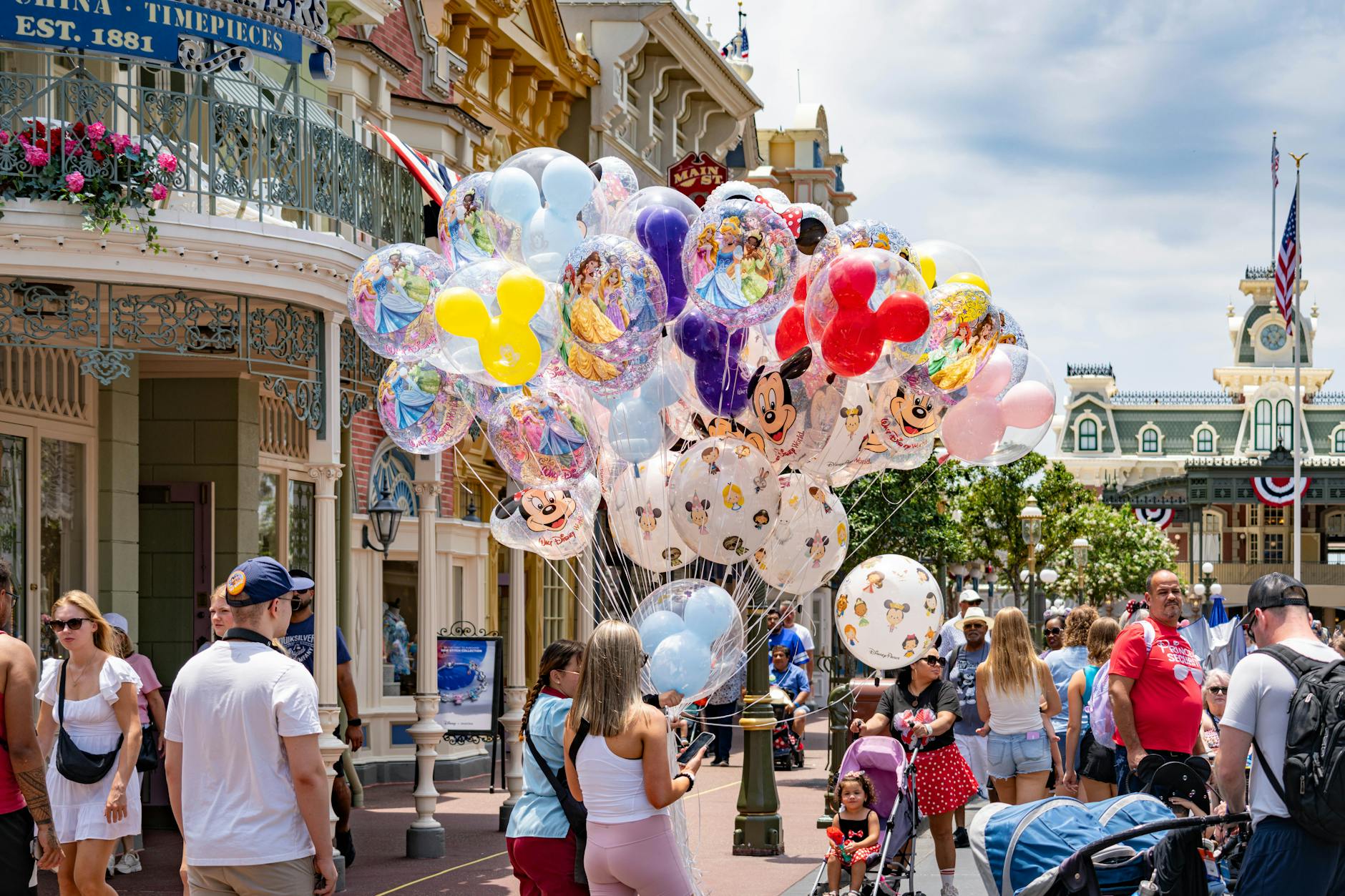
Orlando contains eight major theme parks inside a 30-mile radius: the four Walt Disney World gates (Magic Kingdom, EPCOT, Hollywood Studios, Animal Kingdom), the three Universal Orlando gates (Universal Studios Florida, Islands of Adventure, the brand-new Epic Universe), and SeaWorld Orlando. Add Busch Gardens Tampa 80 miles west, LEGOLAND Florida 45 miles southwest, and Discovery Cove next to SeaWorld, and you’re looking at the highest concentration of world-class theme parks anywhere on the planet. Magic Kingdom alone draws 17.8 million visitors a year — more than any other theme park in the world. The combined Disney + Universal annual attendance in Orlando exceeds 70 million people. There is no competitor. Paris and Tokyo each have one Disney resort with two parks. California has Disneyland Resort (two parks) and Universal Studios Hollywood (one). Only Orlando puts eight gates within shuttle distance of a single hotel.
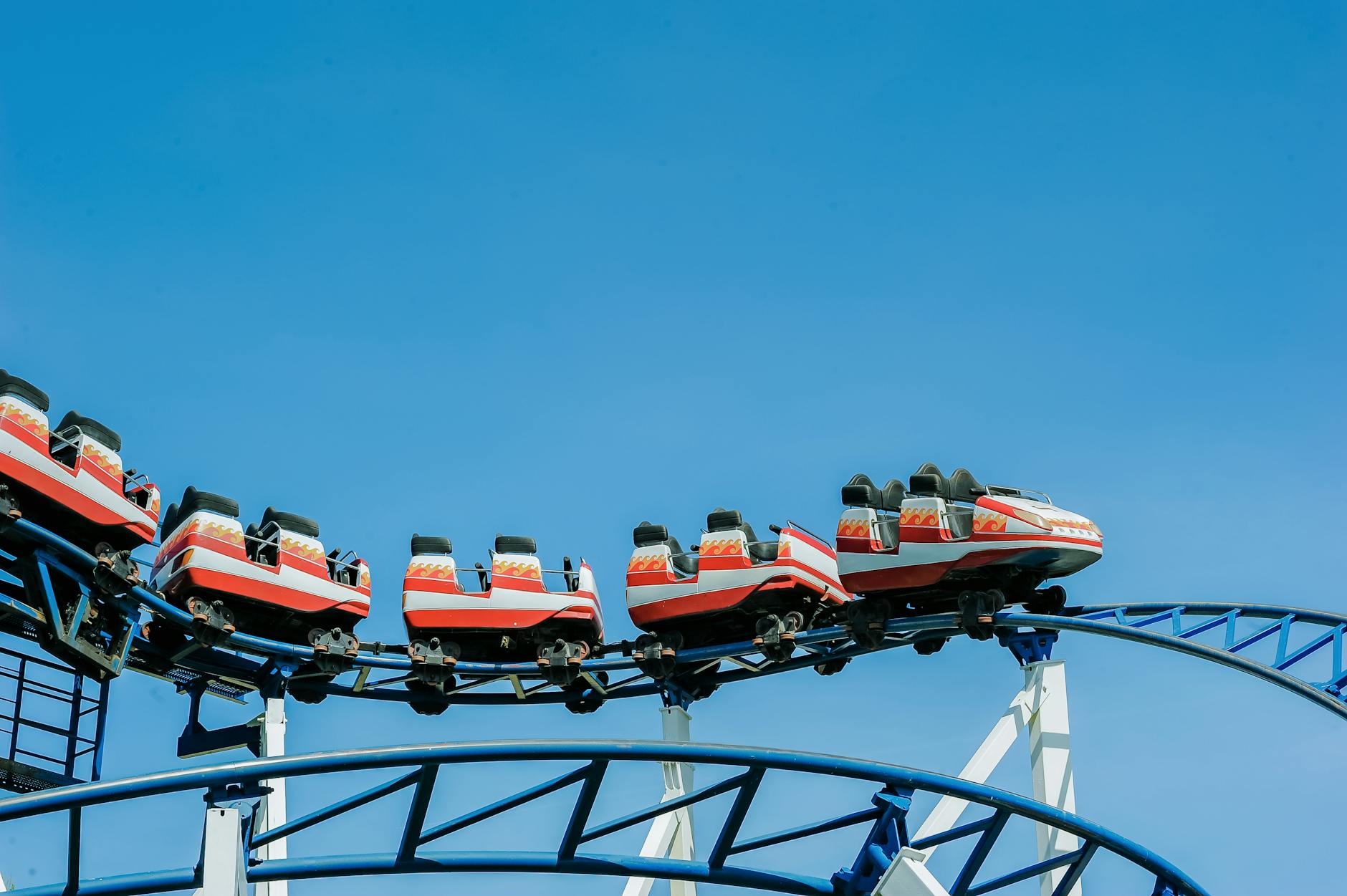
What that concentration buys you isn’t just quantity. It’s variety. A single 7-day Orlando trip can credibly cover an immersive Star Wars land, the world’s most ambitious wizarding world (now spread across three different Harry Potter areas across two parks), a full-size Super Nintendo World, a fully themed Pandora from Avatar, a working African safari, real killer whales and dolphins, and over 25 roller coasters ranging from kiddie tracks to a 70-mph launch. No other destination offers that range. Our Orlando theme parks comparison breaks down which parks are genuinely worth your time and which can be skipped.
The New Attractions in 2024-2026 Are Genuinely Massive
The last 24 months have arguably been the most significant period of theme park expansion in Orlando history, which matters if you’ve visited before and are wondering whether there’s enough new to justify a return.
- Universal Epic Universe opened May 22, 2025 — a full third Universal Orlando gate built from scratch at an estimated $7 billion cost. Five immersive worlds: Celestial Park (the hub), The Wizarding World of Harry Potter – Ministry of Magic (a third Potter land, set in 1920s Paris), Super Nintendo World, How to Train Your Dragon – Isle of Berk, and Dark Universe (Universal Monsters). It is, by consensus, the best-themed park built in the United States in decades. Our Epic Universe guide covers everything you need to know.
- Tiana’s Bayou Adventure opened at Magic Kingdom in June 2024, replacing Splash Mountain with a New Orleans–themed re-imagining featuring Tiana from The Princess and the Frog. Same flume drop, completely overhauled story.
- Test Track 3.0 reopened at EPCOT in 2025 with a retro-futurist redesign that pulls heavily from the original 1982 EPCOT World of Motion attraction. Same chassis, completely new aesthetic.
- Monsters, Inc. land was officially announced for Hollywood Studios with the next phase of expansion.
- Galacticoaster opens at LEGOLAND Florida in 2026 — the park’s first new coaster in two decades.
- SEAQuest: Legends of the Deep debuts at SeaWorld in 2026 — a first-of-its-kind suspended dark ride.
If your last Orlando visit was pre-pandemic, the parks you’d see today are meaningfully different. Epic Universe alone is the kind of attraction that single-handedly justifies a return trip.
Year-Round Weather (For Those Escaping the Cold)
Orlando’s average winter daytime high is 71-74°F from December through February. If you live in Minnesota, Toronto, Chicago, Boston, or the UK, that’s enough to make February in Orlando feel like a different planet. December average high: 74°F. January: 71°F. February: 73°F. Comparable Caribbean destinations cost two to three times more in airfare from most North American hubs, and you can’t ride VelociCoaster in Aruba.
Beyond the Parks
This is where most “Orlando worth it” articles fall short — they assume Orlando means theme parks and nothing else. It doesn’t.
- Kennedy Space Center is 50 minutes east on the Atlantic coast. Real Saturn V rocket, real SpaceX launches you can sometimes watch from the visitor complex, and one of the best science museums in the country. Tickets are roughly $75/adult — half what you’ll pay for a single Disney day.
- Beaches on both coasts. Cocoa Beach (60 min east) for surf and budget vibes, Clearwater Beach (90 min west) for famously soft white sand routinely ranked in the country’s top ten, New Smyrna Beach for fewer crowds.
- Nature: Wekiwa Springs (clear 72°F spring water, 25 minutes from downtown), Blue Spring State Park (manatees in winter), and Everglades day trips.
- Real food scene: Mills 50, the Milk District, and Audubon Park have become genuinely interesting neighborhoods with Vietnamese, Lao, Cuban, and modern Southern restaurants nobody talks about on travel blogs.
For a complete list, see things to do in Orlando besides theme parks — there are easily 5-6 days of legitimately worthwhile non-park activity if you want it.
Family-Friendly Infrastructure
This is the one factor that’s almost impossible to overstate. Orlando has been optimized for traveling with kids for 50+ years, and the practical implications are real: stroller rentals everywhere, baby care centers in every Disney park with private nursing rooms and free diapers for purchase, allergen-friendly menus at almost every quick-service restaurant, character interactions on demand, height-appropriate ride options at every park, family resort pools with zero-entry, and Magical Express-replacement services that handle airport-to-hotel logistics. If you’re traveling with a 4-year-old, this matters more than the ride lineup. No other destination in North America comes close on infrastructure for families with young children.
The Honest Case Against Orlando
Now the hard part. Most articles tiptoe around this section. We’re not going to.
Cost — The Real 2026 Numbers
Orlando is expensive. Not “premium vacation” expensive. Aggressively, dynamically, every-add-on-costs-money expensive. Here are real 2026 numbers, not the lowest-possible-floor numbers that marketing brochures use.

| Expense | 2026 Price Range | Notes |
|---|---|---|
| Disney 1-day, 1-park ticket | $119 – $209/person | $119 only available late Aug/Sept; $209 is Christmas week |
| Disney 4-day base ticket | $485 – $630/person | Per-day cost drops on longer tickets |
| Disney Park Hopper add-on | +$80 – $90/person | Required to visit two parks in one day |
| Lightning Lane Multi Pass | $15 – $39/person/day | Disney’s Genie+ replacement; common ~$25 |
| Lightning Lane Single Pass | $18 – $25/ride/person | For TRON, Tiana’s, Guardians, Rise of the Resistance |
| Universal 1-day Park-to-Park | $197 – $230/person | Three parks; Express Pass extra |
| Universal 4-day Park-to-Park | $430 – $500/person | ~$120/day all three parks |
| Universal Express Pass | $100 – $300/person/day | Variance is enormous by date/park |
| Disney moderate resort | $250 – $400/night | Caribbean Beach, Coronado Springs tier |
| Disney value resort | $150 – $250/night | Pop Century, All-Star Music tier |
| Off-site hotel near parks | $130 – $220/night | Comfort Inn / Springhill Suites tier |
| Disney character meal | $50 – $75/adult | Plus tax + tip |
| Quick-service meal | $15 – $20/person | Burger, fries, drink |
| Table-service dinner | $35 – $55/adult | Entrée + drink + tax + tip |
| Theme park parking | $30 – $50/day | Free at Disney resort hotels; $30 self-park at non-resort |
| Memory Maker (photos) | $199 (advance) / $229 | Disney’s PhotoPass package |
Now apply that to a real family of four (two adults, two children ages 8 and 11) doing a moderate 6-day Disney trip in May 2026:
- 4-day base tickets + 1-day park hopper: $2,400
- Moderate Disney hotel x 6 nights: $2,100
- Lightning Lane Multi Pass for 4 days ($25 x 4 x 4): $400
- Two Lightning Lane Single Pass rides (TRON, Tiana’s): $200
- Food (1 character meal, 2 table service, mostly quick service, snacks): $1,600
- Memory Maker, souvenirs, miscellaneous: $400-800
All-in total: $7,100-$7,500. No flights included. Add round-trip airfare from anywhere outside Florida and you’re at $9,000+. Push to a deluxe Disney hotel and you’re at $11,000-$12,000. Cut to a value resort with no Lightning Lane and you can get down to $5,500, but the experience changes meaningfully. The honest answer is that Orlando for a family of four costs what a 10-day European trip costs, and you should know that going in.
Crowds

Disney World pulls nearly 50 million people a year across its four parks. Universal Orlando pulled 20.6 million in 2024, and with Epic Universe’s full first year now in the data, total Universal numbers are pushing higher still. Those crowds are not evenly distributed. Average wait times at Magic Kingdom on a moderate Tuesday in late January sit around 30-45 minutes. The same park on the Saturday after Thanksgiving, December 27, or the second-to-last day of Spring Break? Average waits hit 90-120 minutes and the top-tier rides like Seven Dwarfs Mine Train and Peter Pan’s Flight push past 180 minutes regularly.
Epic Universe in its first year has been especially brutal. The park’s busiest two months were January and February 2026, with the average wait on the worst day reaching 107 minutes and peak waits exceeding 300 minutes for Stardust Racers and the new Harry Potter Ministry of Magic ride. Even with Express Pass, you’ll wait. Without it, you’ll wait much more.
For a full breakdown of which weeks to avoid and which weeks are genuinely manageable, see our Orlando theme parks pillar guide. The short version: Christmas week (Dec 26 – Jan 1), Thanksgiving week, Spring Break (varies by school district but generally mid-March to early April), Easter week, and the entire month of July are functionally unusable without paid skip-the-line.
Heat and Humidity
This is the factor most people underestimate the most. Orlando’s summer climate is not “hot.” It’s tropical. From June through September, the average daytime high is 90-92°F, the average humidity sits at 75-77%, and afternoon thunderstorms roll in nearly every day around 3-4 PM. August is statistically the worst: average high 91°F, average humidity 77%, rain on 24.6 out of 31 days, and a heat index that routinely peaks at 104-108°F. Walking 8-10 miles a day around a theme park in those conditions with kids in tow is genuinely punishing. People faint in line. Strollers come with rain covers because you will need them. Hurricane season runs June 1 through November 30, with peak activity in August, September, and October — a direct hit on your travel week can ruin a vacation.
The cool-weather window is real and narrow: late October through early April. November, January, and February are objectively the best months for weather. For full details by month, our crowd calendar and weather guides are your friends.
Sensory Overload and Over-Commercialization
This is harder to quantify, but it’s real. Every square inch of Disney World and Universal is designed to be photographed, monetized, and sold back to you. Music plays in every restroom. There are no quiet corners. Every transition from one area to the next involves a gift shop, a photo opportunity, or a character meet-and-greet. By day three, many adults — especially adults without kids — find the relentless cheerfulness exhausting rather than charming. Some visitors love this. Some visitors find it suffocating. Honest self-assessment matters here, and it’s worth being clear-eyed about your own tolerance before booking.
Constant Upselling
The published ticket price is not the price. Disney and Universal both run on a dynamic pricing model where the base ticket buys you entry and almost nothing else. To match the experience that families had in 2015 when Fastpass was free, you now pay extra for:
- Lightning Lane Multi Pass: $15-39/person/day to skip standby lines on ~7 rides per park
- Lightning Lane Single Pass: $18-25/ride/person for the top 2-3 attractions per park
- Universal Express Pass: $100-300/person/day
- Memory Maker / PhotoPass: $199-229 per trip
- Premier Lightning Lane Pass (new in 2024): $129-449/person/day for unlimited Lightning Lane access
- Specialty dining packages: $79-200/person for fireworks dessert parties, after-hours events, etc.
- Disney After Hours / Universal Mardi Gras concert add-ons: $135-200/person
- MagicBand+ (now optional but encouraged): $35-65
A family of four that buys the obvious add-ons spends an additional $1,500-2,500 on top of base tickets across a 5-day trip. The “upcharge fatigue” is real, and it’s the single most common complaint in trip reports.
Vacation Fatigue
Theme parks are physically exhausting. Average park-walking distance per day in a Disney park is 8-12 miles. With kids, you’ll be on your feet from 8 AM rope drop to 10 PM fireworks for 5-7 days in a row. There’s a real phenomenon where families return from a Disney vacation more tired than when they left. If your idea of a vacation is reading by a pool, Orlando is not it. If your idea of a vacation is “doing things,” Orlando delivers — but you need to pace it. Our how many days in Orlando guide covers pacing in detail.
Who Orlando IS For
Specific traveler profiles where the answer is genuinely “yes, go.”
- Families with kids aged 4-14. This is the unambiguous sweet spot. Kids in this age range get the most out of character interactions, can ride most rides, are still excited rather than performatively bored, and remember the trip into adulthood. The whole Orlando ecosystem is built for this demographic and it shows.
- First-time visitors who have never been to a Disney or Universal park. Even adults who think they don’t care about theme parks usually find their first Disney trip surprisingly affecting. Magic Kingdom is genuinely one of the most impressive engineered environments in the world. You should see it once.
- Theme park enthusiasts and coaster fans. Orlando has more world-class rides per square mile than anywhere else on Earth. If your idea of a great day involves a 70-mph launch coaster and an immersive dark ride back-to-back, you’re home.
- Multi-generational family trips. Grandparents, parents, kids, and teens all find things they like, which is the rarest quality in any vacation destination. Disney specifically is the closest thing in travel to a universal common denominator.
- Harry Potter, Star Wars, Marvel, or Nintendo super-fans. The Wizarding World across two parks, Galaxy’s Edge, Avengers Campus (Disneyland, not Orlando — but Marvel’s Islands of Adventure presence is real), and Super Nintendo World at Epic Universe are unmatched IP execution.
- Travelers escaping cold-climate winters. January and February Orlando is 70-75°F and dry. If you’re in Toronto or Chicago, that’s a real benefit.
- Special-occasion trips with intentional budget. 30th birthday, milestone anniversary, “we saved for this trip for three years” — Orlando rewards intentional spend.
Who Orlando Is NOT For
The section most articles refuse to write. If you fit one of these profiles, please consider a different destination — you will not enjoy Orlando, and that’s totally fine.
- Travelers seeking culture, history, or sense of place. Orlando is a master-planned tourist economy. It is not New Orleans. It is not Charleston. It is not Mexico City. If you want a destination with real architectural identity, regional cuisine that emerged organically, and a sense that you’ve actually traveled somewhere distinct, Orlando is the wrong choice. Go to New Orleans, Quebec City, Santa Fe, or basically anywhere in Europe instead.
- Romance-only couples without theme park interest. A honeymoon in Orlando is a perfectly fine choice if you both love theme parks. If only one of you does, please don’t drag the other. Cancun, Costa Rica, Sedona, or any beach in the Caribbean will be cheaper, more relaxing, and more romantic.
- Travelers looking for relaxation as the primary vacation goal. Orlando rewards effort. The best experiences require pre-booking, rope-drop arrivals, and 12-hour park days. If you want to sleep in and read on a beach, you are wasting Disney and Universal’s product. Go to Sanibel, the Florida Keys, or a Caribbean all-inclusive.
- Ultra-budget travelers. Orlando’s floor is meaningfully higher than other US destinations. If your trip budget is under $200/day for a family of four, you’ll feel constrained the entire time. Pigeon Forge / Dollywood, Williamsburg / Busch Gardens, or a road trip national park itinerary will deliver a better experience for that budget.
- Adventure or active travelers. Orlando is flat, hot, and largely paved. If you want to hike, climb, surf, ski, or kayak, central Florida is mediocre at best.
- Nature travelers. There are some good spring runs and the Everglades aren’t far, but if “national parks” is your category, fly to Utah or Colorado.
- Foodie travelers. Orlando’s food scene has gotten better but it’s not a culinary destination. Charleston, New Orleans, Austin, Portland, and even Tampa or Miami are all stronger.
Is Disney World Specifically Worth It?
Disney World is worth it if (a) you have kids aged 3-12, or (b) you’re a Disney-leaning adult fan, or (c) you’ve never been before. For everyone else, the calculus has gotten harder every year.
The case for Disney in 2026 is the same case it’s always been, just more expensive: four genuinely different parks (Magic Kingdom for nostalgia, EPCOT for food and Future World, Hollywood Studios for IP immersion, Animal Kingdom for theming and the safari), the highest standard of customer service in the industry, immersive lands that have no real competitor outside of Universal (Star Wars: Galaxy’s Edge, Pandora, Avatar Flight of Passage), and a guarantee that the trip will go smoothly even if you don’t plan it perfectly. The infrastructure is unmatched. The cost is real.
The case against Disney in 2026 is sharper than ever. Lightning Lane Multi Pass replaced free Fastpass three years ago and added $400-800 to a family’s trip for the same experience. Park reservations, while less strict than they were in 2022, still exist. Construction walls are up at Hollywood Studios for Monsters Inc. land. The Disney Dining Plan is back but with quirks. Cost-cutting on entertainment (fewer parades, shorter character meet times, reduced fireworks runtime) has been a consistent complaint in the post-2020 era.
Our full Walt Disney World guide walks through which parks are essential, which can be skipped, and how to minimize the cost without ruining the experience. Bottom line: Disney is still worth it for the target demographic. It is no longer the no-brainer it was a decade ago for everyone else.
Is Universal Orlando Specifically Worth It?
Universal Orlando, in 2026, makes the strongest “yes, this is worth it” case of any destination in Orlando — and arguably in American tourism. Here’s why.
Epic Universe, which opened May 22, 2025, is genuinely the best-themed theme park built in the United States in decades. Five fully realized lands (Celestial Park, Harry Potter Ministry of Magic, Super Nintendo World, How to Train Your Dragon’s Isle of Berk, and Dark Universe), each with its own anchor attraction and signature dining, sitting alongside two excellent existing Universal Orlando parks (Universal Studios Florida and Islands of Adventure) means you can now spend 3-4 full days at Universal alone and not duplicate experiences. Islands of Adventure has Jurassic World VelociCoaster (arguably the best pure roller coaster in the country), Hagrid’s Magical Creatures Motorbike Adventure (the best themed coaster), and the original Wizarding World. Universal Studios Florida has Diagon Alley and the new Mardi Gras festival lineup.
Universal’s value proposition compared to Disney is real: a 4-day Park-to-Park ticket runs roughly $430-500/person, the on-site hotels at the top three deluxe properties (Hard Rock, Portofino Bay, Royal Pacific) include free Universal Express Pass with stay — a perk worth $100-300 per person per day at the gate — and the food scene at Epic Universe is genuinely good (Atlantic in Celestial Park, Toothless in Berk, the Leaky Cauldron in Ministry of Magic). For families with thrill-seeking older kids and teens, Universal often beats Disney on per-dollar excitement.
The honest caveat: Epic Universe’s first-year crowds have been brutal, with waits exceeding 300 minutes during peak weeks. Plan a 2026 Universal trip for September-October or late January-February if at all possible. Our full Universal Orlando guide covers strategy in detail, and the Epic Universe guide goes deep on the new park specifically.
Cheaper Alternatives to Consider
If the cost calculus doesn’t work for your family, these are the realistic substitutes worth considering. We’re not going to tell you “you must visit Orlando.” For many families, one of these is the better answer.
- Hersheypark, Pennsylvania. 15 roller coasters, including world-class ones like Skyrush and Wildcat’s Revenge. Family of 4 admission runs roughly $300-340 total. Hotel costs in Harrisburg or Lancaster are a fraction of Orlando. Real “Pennsylvania Dutch country” road trip add-ons (Lancaster, Gettysburg). A full week here can run $2,000-2,800 vs. Orlando’s $7,000+.
- Cedar Point, Ohio. The roller coaster capital. 17 coasters including Steel Vengeance (consistently ranked the world’s best wooden hybrid). Lower crowd levels, lower prices, and Lake Erie beach right there. Best for thrill-seekers and teens.
- Dollywood / Pigeon Forge, Tennessee. Genuinely excellent theme park (Dollywood’s coasters and themed areas are top-tier) inside one of the prettiest mountain regions in the East. Cabins are cheap. Smoky Mountains National Park is 10 minutes away. Family of 4 trip cost: roughly half of Orlando.
- Busch Gardens Williamsburg + Colonial Williamsburg, Virginia. Award-winning theme park (Pantheon, Apollo’s Chariot, Alpengeist) combined with one of the best American history experiences in the country. Sophisticated trip for older kids, history-curious adults, and grandparents.
- Disneyland Resort, California. Two parks (Disneyland Park + Disney California Adventure) — half the size of Disney World but, many fans argue, the better-themed half. Add LA’s beaches, museums, and food, and a 5-day Disneyland trip can be both cheaper than Orlando Disney and arguably richer in non-park content.
- Universal Studios Hollywood, California. One gate, single day, can be combined with LA, Santa Monica, Joshua Tree. Lower cost, less time required.
- Six Flags Magic Mountain / Knott’s Berry Farm, California. Coaster-focused, lower cost, very different vibe.
- An all-inclusive Caribbean resort. If “we want a family vacation that’s relaxing and the kids have something to do” is the actual goal, Beaches Turks & Caicos, the various Cancun all-inclusives, or Atlantis Bahamas often cost less than Disney moderate resorts and require zero pre-planning.
How to Make Orlando Worth It
If you’ve read all of the above and you’ve decided Orlando is still your trip, here’s how to maximize the chance you come home thinking it was worth the money. These strategies move the needle the most.
- Visit off-peak. Late January (post-Marathon Weekend through about January 31), the first two weeks of February (excluding Presidents’ Day weekend), the second half of August, the first three weeks of September, and the first two weeks of December are objectively the best weeks. Crowd levels can be 40-60% lower than peak, ticket prices are at their floor, and hotel rates drop significantly.
- Stay off-site if you don’t need Disney transportation. A Comfort Inn or Springhill Suites along International Drive or in Lake Buena Vista runs $130-180/night, has a free breakfast, includes free parking, and is 10-15 minutes from any park gate. You’ll save $700-1,200 over a Disney moderate resort across a 6-night stay.
- Buy multi-day tickets, not single-day. A 7-day Disney ticket works out to roughly $93/day; single-day Disney tickets average $165/day. The longer your ticket, the less each day costs. Same logic at Universal.
- Skip the park hopper unless you need it. Park-hopping costs $80-90/person and isn’t necessary if you plan one park per day, which is the right pace for most families anyway.
- Use Lightning Lane Multi Pass selectively. Not every day, not every park. Hollywood Studios and Magic Kingdom benefit most; Animal Kingdom and EPCOT can usually be done with rope drop and good touring strategy.
- Pack snacks, do quick service, and use refillable water bottles. A family of four can easily save $400-600 across a week by cutting one table-service meal per day. Disney parks have free water at every counter-service location.
- Rope-drop the hardest rides. Being at the gate 30-45 minutes before official opening time and going straight to your top-priority ride routinely saves 60-90 minutes in line on the most popular attractions.
- Build in non-park days. A 7-day trip with 5 park days and 2 non-park days (pool, day trip to the beach, or Kennedy Space Center) almost always rates higher than a 7-day trip with 7 park days, because vacation fatigue is real.
For a complete budget-conscious approach, our Orlando theme parks on a budget guide covers every cost-cutting strategy that doesn’t ruin the trip.
Real Talk: What Visitors Wish They Knew
Pulled from years of trip reports, Reddit threads, travel agent debriefs, and our own readers. These are the most common “I wish someone had told me” regrets.
- “We tried to do too much.” The number one regret. Families plan 5 park days in a row, the kids melt down on day 3, and the rest of the trip is a slog. Build rest days in. Plan one park per day. Accept you will not ride everything.
- “We didn’t realize Lightning Lane wasn’t optional.” On a peak crowd day, top-tier rides can hit 180-minute standby waits. If you came all this way and don’t want to spend half your day in line, Lightning Lane Multi Pass is functionally required. Budget for it.
- “Disney moderate hotels are not worth the price difference over a good off-site hotel.” The on-site theming and transportation are nice, but a $300/night moderate vs. a $150/night off-site is rarely worth $150 a night for most families. Deluxe Disney resorts (Polynesian, Grand Floridian) make a stronger case because of location; moderates don’t.
- “The first day was wasted on travel and check-in.” Don’t book park tickets for the day you fly in unless you arrive before noon. Use that first day for a pool afternoon and an early dinner.
- “July was unbearable.” Almost universal regret from anyone who visited in July or August who didn’t grow up in the South. Heat plus crowds plus afternoon thunderstorms is the worst combination.
- “We didn’t budget enough for food.” First-timers consistently underestimate food costs by 30-50%. A realistic food budget for a family of four is $150-200 per park day plus $50-80 on rest days.
- “We bought a park hopper we didn’t use.” Most families end up doing one park per day. Skip the hopper unless you have a specific plan for it (e.g., breakfast at Magic Kingdom, fireworks at EPCOT).
- “The kids’ favorite part wasn’t a ride.” Pool time, character meet-and-greets, ice cream from Plaza Ice Cream Parlor, and a single fireworks show often rate higher in kids’ memories than any roller coaster. Plan for the unstructured moments.
Frequently Asked Questions
Is Orlando worth visiting without kids?
Yes, but only if you’re specifically interested in theme parks, roller coasters, or themed entertainment. Universal Orlando (especially Epic Universe) makes the strongest adults-without-kids case in Orlando — Universal’s coasters skew older, the Wizarding World is genuinely impressive at any age, and the on-site hotel bars at Hard Rock and Portofino Bay are good. Disney World is doable without kids and many adult Disney fans love it, but you’ll feel out of place if you’re not at least Disney-curious. For couples who don’t care about theme parks at all, Orlando is the wrong destination — go elsewhere.
How much does an Orlando vacation actually cost in 2026?
For a family of four doing a 6-day Disney-focused trip: $5,500 (value, minimal add-ons) to $11,000+ (deluxe resort, full Lightning Lane, character dining, Memory Maker) before flights. Universal-focused trips run roughly $3,500-$6,500 for the same length, partly because Universal hotels include Express Pass at the top three deluxe properties. A solo adult Universal trip can be done well for $1,500-2,200 over 4 days including hotel. Adding flights typically adds $300-700 per person from a US origin, more from international. Our Orlando theme park vacation cost guide has the full breakdown.
How many days do I need in Orlando?
The minimum useful Orlando trip is 4 days. The optimal length for most families is 6-7 days. Going beyond 8 days hits diminishing returns for everyone except hardcore park fans. If you’re only doing Disney, plan one park day each at Magic Kingdom, EPCOT, Hollywood Studios, and Animal Kingdom (4 days) plus a rest day and a partial overlap day (6 days total). If you’re only doing Universal, 3-4 days covers all three gates including Epic Universe. Doing both Disney and Universal in one trip needs 7-9 days minimum. See our how many days in Orlando guide for detailed itinerary math.
When is the cheapest time to visit Orlando?
Late August through mid-September is the cheapest, with hurricane risk as the trade-off. Disney 1-day tickets start at $119 in this window vs. $209 at Christmas. Hotels routinely run 30-40% lower than peak. The second half of January (after Marathon Weekend, before Presidents’ Day weekend) is the next-cheapest and has the best weather of any low-cost window. Early December (the first two weeks) before Christmas crowds hit is another sweet spot with cool weather and holiday decorations already up.
Is Disney World too expensive in 2026?
Disney World is more expensive than ever in real, inflation-adjusted terms. Ticket prices have risen roughly 8-12% per year since 2019. Lightning Lane Multi Pass replaced what used to be free Fastpass and adds $400-800 per family across a typical trip. For families earning under roughly $100,000 in household income, a Disney World trip now represents a major financial decision rather than a casual vacation, and it’s reasonable to question whether it’s worth it. Many families are choosing every-other-year Disney trips, mixing in cheaper alternatives, or shifting to Disneyland California, which often runs 20-30% cheaper than Walt Disney World for a comparable Disney experience.
What’s the best month to visit Orlando in 2026?
October is the best overall month for most travelers: cooler weather (average high 84°F), low-to-moderate crowds (excluding Halloween peak weekends), Halloween events at every major park, and hurricane risk dropping after mid-October. Late January and early February are the best months for value seekers — lowest crowds of the year, lowest ticket prices, and dry 70°F weather. November (excluding Thanksgiving week) is the runner-up.
Can you visit Orlando without going to Disney?
Absolutely. Universal Orlando is a complete trip on its own — three parks, two water parks, multiple on-site hotels, and CityWalk make for an easy 5-day vacation. SeaWorld, Aquatica, and Discovery Cove add another 2-3 days. Kennedy Space Center, the beaches, LEGOLAND (for younger families), Wekiwa Springs, and downtown Orlando’s food scene fill out a full week with zero Disney content. Many families who’ve “done Disney” come back to Orlando specifically for the non-Disney offerings. Our things to do in Orlando besides theme parks guide covers this in detail.
Is Orlando worth it for first-time visitors?
Yes, decisively. First-time Orlando visitors get the highest emotional return on the trip because every land, every park, and every ride is new. The “wow” factor of walking down Main Street USA toward Cinderella Castle for the first time, seeing Hogsmeade for the first time, or entering Pandora at dusk is something no amount of YouTube footage can replicate. If this is your first trip, lean toward 7 days rather than 4-5, hit Disney’s top two parks (Magic Kingdom + EPCOT) and Universal’s top two (Islands of Adventure + Epic Universe), and don’t try to also do SeaWorld or LEGOLAND on the same trip. Our first-time Orlando theme parks guide has the full first-timer playbook.
The Bottom Line
Orlando in 2026 is worth visiting if you fit the profile — families with kids 4-14, theme park enthusiasts, first-time visitors, multi-generational trips, and special-occasion travelers. It is not worth visiting if you’re chasing culture, quiet, romance-only, ultra-budget travel, nature, or food. Cost is real and rising; a family of four should budget $5,500-$8,000 before flights for a moderate 6-day trip. Crowds are manageable if you visit in late January, February, September, or early December and avoid the obvious holidays. Heat is genuinely brutal from May through September. The new attractions of 2024-2026 — especially Epic Universe — make a stronger case for returning than the parks have made in years. Be honest with yourself about which type of traveler you are, plan accordingly, and you’ll either decide it’s worth it for the right reasons or decide to spend the money on something that suits you better. Either answer is the right answer if it’s the honest one.