Orlando theme parks in summer are simultaneously the most popular and most physically demanding time to visit. June through August brings 90–95°F daytime highs, 75–85% humidity, heat index values frequently exceeding 100°F, daily afternoon thunderstorms, and the highest crowd densities of the year (school’s out, and most U.S. families take their main vacation in summer). Despite all that, summer remains the most-booked Orlando vacation season because most families have no choice — school schedules force the timing. The difference between a successful summer Orlando trip and a heat-stroke nightmare is preparation: knowing exactly how to manage the heat, when to break, what to wear, which attractions provide actual cooling relief, and how to stay hydrated when you’re walking 8–10 miles per day in 95°F weather. This is the most thorough 2026 guide to visiting Orlando theme parks in summer — every heat-management strategy, water park integration, crowd-management tactics, and the survival framework that turns a brutal Florida summer trip into a manageable family vacation.
Orlando Summer 2026: The Quick Reference
Summer Orlando weather: highs 90–95°F, humidity 75–85%, heat index frequently 100–105°F, daily afternoon thunderstorms 2–4 p.m. typically. Crowd levels: 7–9/10 across all parks. Hotel rates: at peak. Park hours: typically extended (8:00 a.m. to 11:00 p.m. for many parks). Top heat strategies: rope drop early, hotel break 12:00–4:00 p.m. mid-day, return for evening hours after sunset cools temperatures, drink 64–96 oz water per person per day, prioritize indoor attractions and water-cooled rides, plan a water park day or two. Read our best time to visit Orlando theme parks guide for value-date alternatives outside summer.
Orlando Summer Weather: What to Expect
Temperature
June: highs 89–92°F, lows 73–76°F. July: highs 91–94°F, lows 75–78°F. August: highs 91–94°F, lows 75–78°F. The “feels like” heat index frequently reaches 100–105°F due to humidity. By 11:00 a.m. on a typical summer day, the parks are uncomfortably hot.
Humidity
75–85% throughout summer. The humidity is what makes Florida summer punishing — temperatures don’t feel especially hotter than other Southern destinations, but the lack of evaporative cooling makes everything stickier and harder to recover from.
Afternoon Thunderstorms
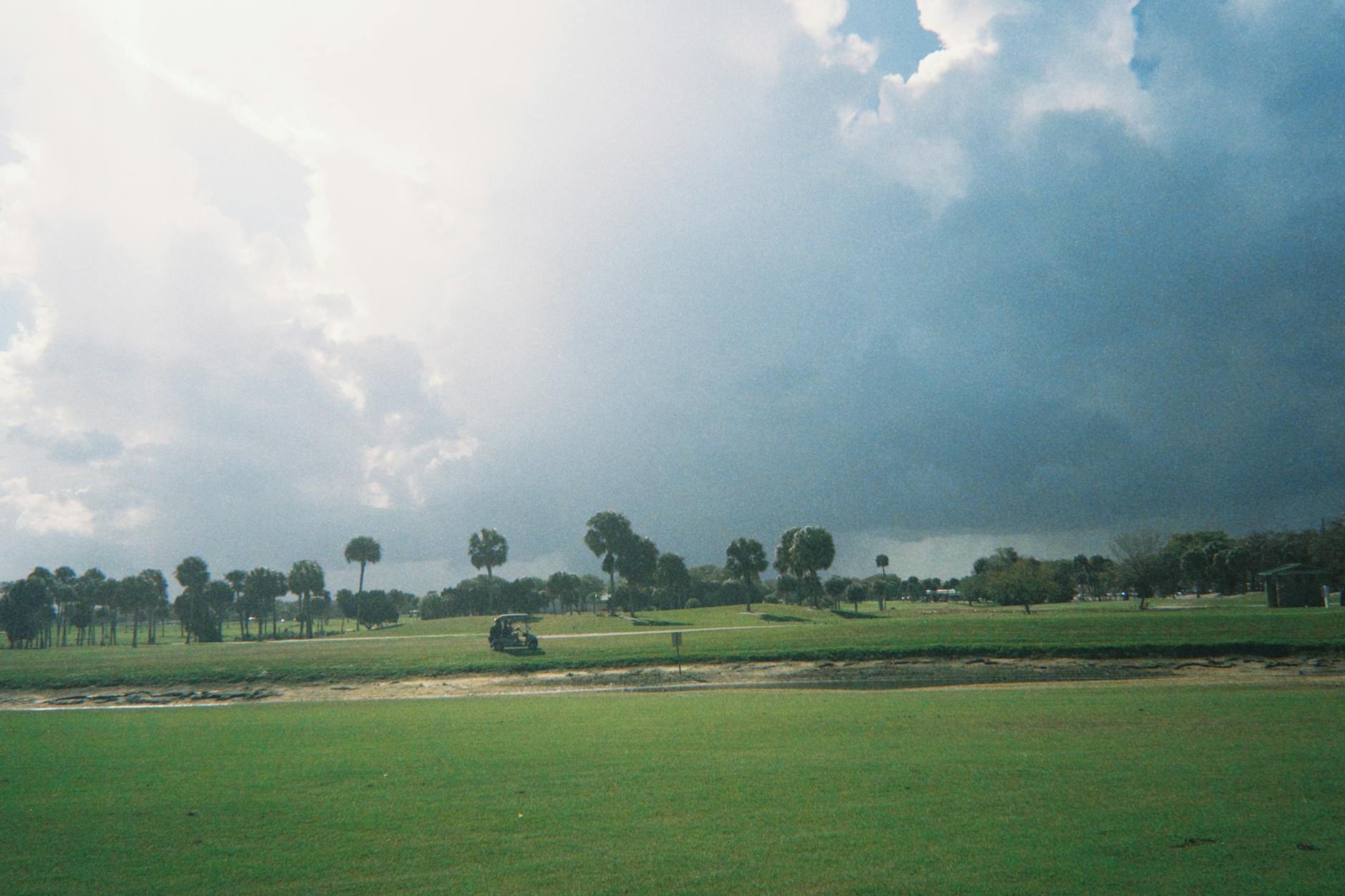
Florida summer thunderstorms are predictable: 2–4 p.m. daily on most summer days. Storms last 30–60 minutes typically. Lightning is intense; parks evacuate outdoor attractions during electrical activity. Some attractions reopen quickly after storms pass; others require longer assessment.
Hurricane Season
June 1 – November 30 officially. Major hurricanes affecting Orlando are rare but happen. Most summer storms are tropical depressions or tropical storms causing rain rather than catastrophic damage. Travel insurance is recommended for late August and September visits.

Summer Crowd Patterns
Peak Crowd Weeks
Memorial Day weekend (late May) through July 4th. Crowd levels: 8–9/10. School’s out for most U.S. districts. Beach and theme park bookings peak.
Mid-Summer (July to early August)
Crowd levels: 7–8/10. School’s out, families on vacation. Slightly less extreme than the Memorial Day–July 4th window.
Late Summer (Mid-August)
Crowd levels: 6–7/10. Most school districts return mid-to-late August. The “shoulder week” between summer school break and back-to-school weekend (typically the third week of August) sees moderate crowds.
The Late August/Early September Sweet Spot
Last week of August through Labor Day weekend: crowd levels drop to 5–7/10. Heat remains intense but crowds thin dramatically. Often the best summer dates for visitors with date flexibility.
Disney Free Dining Periods
Disney often runs Free Dining promotions for late August and September dates. These promotions push crowd levels slightly higher than they otherwise would be but still represent excellent value for budget-conscious families.
Heat-Beating Strategies That Actually Work
Strategy 1: Rope Drop Aggressively
Park gates open at 8:00 a.m. (with Early Theme Park Entry for Disney Resort guests at 7:30 a.m. and Universal early entry at 8:00 a.m. for on-site guests). The first 90 minutes of the park day deliver the lowest waits and the lowest temperatures. Use this window to ride 3–4 Tier 1 attractions before the heat and crowds peak.
Strategy 2: Plan Mid-Day Hotel Breaks (Mandatory in Summer)
The single most important summer Orlando strategy. Florida heat and crowds peak 12:00–3:00 p.m. Leave the park around 12:30 p.m. Return to your hotel for swimming, lunch, or a 2-hour nap. Re-enter the park around 4:00 p.m. when temperatures begin dropping. This pattern is not optional in summer — it’s essential.
Strategy 3: Stay Hydrated Constantly
Plan 64–96 ounces of water per person per day during summer. Most park attractions have water bottle refill stations. Free water cups are available at any quick-service restaurant. Carry a reusable water bottle. For kids, electrolyte drinks (Pedialyte, Liquid I.V.) help replace what plain water can’t.
Strategy 4: Prioritize Indoor Attractions Mid-Afternoon
Magic Kingdom indoor attractions: Mickey’s PhilharMagic, Haunted Mansion, Pirates of the Caribbean, Carousel of Progress, Country Bear Musical Jamboree. EPCOT: Spaceship Earth, Soarin’, Living with the Land, Frozen Ever After. Hollywood Studios: Mickey & Minnie’s Runaway Railway, Toy Story Mania, Star Tours, Tower of Terror. Animal Kingdom: Avatar Flight of Passage, It’s Tough to Be a Bug, Festival of the Lion King. Use these for cooling between heat exposures.
Strategy 5: Plan Water-Cooled Rides Mid-Afternoon
Splash rides provide actual cooling. Magic Kingdom: Tiana’s Bayou Adventure (genuinely cooling). Animal Kingdom: Kali River Rapids. Hollywood Studios: limited water rides. Universal Studios Florida: Jurassic Park River Adventure (limited). Islands of Adventure: Popeye & Bluto’s Bilge-Rat Barges, Dudley Do-Right’s Ripsaw Falls (genuinely soaking — bring change of clothes). Time these for the hottest part of the day.
Strategy 6: Bring Portable Fans
Portable battery-powered fans ($15–$30 from Amazon) are genuinely transformative for Florida summer parks. Use during long standby waits or stationary moments. Some include built-in misters.
Strategy 7: Use Cooling Towels
Synthetic cooling towels ($10–$25) absorb water and stay cold for 30–60 minutes when wet. Soak in cold water at any park bathroom or restaurant. Wrap around neck or shoulders.
Strategy 8: Wear Light, Loose, Light-Colored Clothing
Synthetic moisture-wicking fabrics outperform cotton in Florida humidity. Light colors reflect heat. Loose-fitting clothes allow airflow. Long-sleeve sun shirts (UPF 50+) actually keep you cooler than short sleeves by blocking sun exposure.
Strategy 9: Eat Off-Peak Hours
Avoid noon lunch (peak heat + peak crowds). Eat early lunch (11:00 a.m.) or late lunch (2:30 p.m.) to combine air-conditioned restaurant time with mid-day heat retreat.
Strategy 10: Plan One Water Park Day
For 5+ day summer trips, plan a dedicated water park day. Disney’s Typhoon Lagoon and Blizzard Beach plus Universal’s Volcano Bay all provide all-day water immersion. The water park day provides the best heat relief possible.
Strategy 11: Use Lightning Lane / Express Pass Heavily
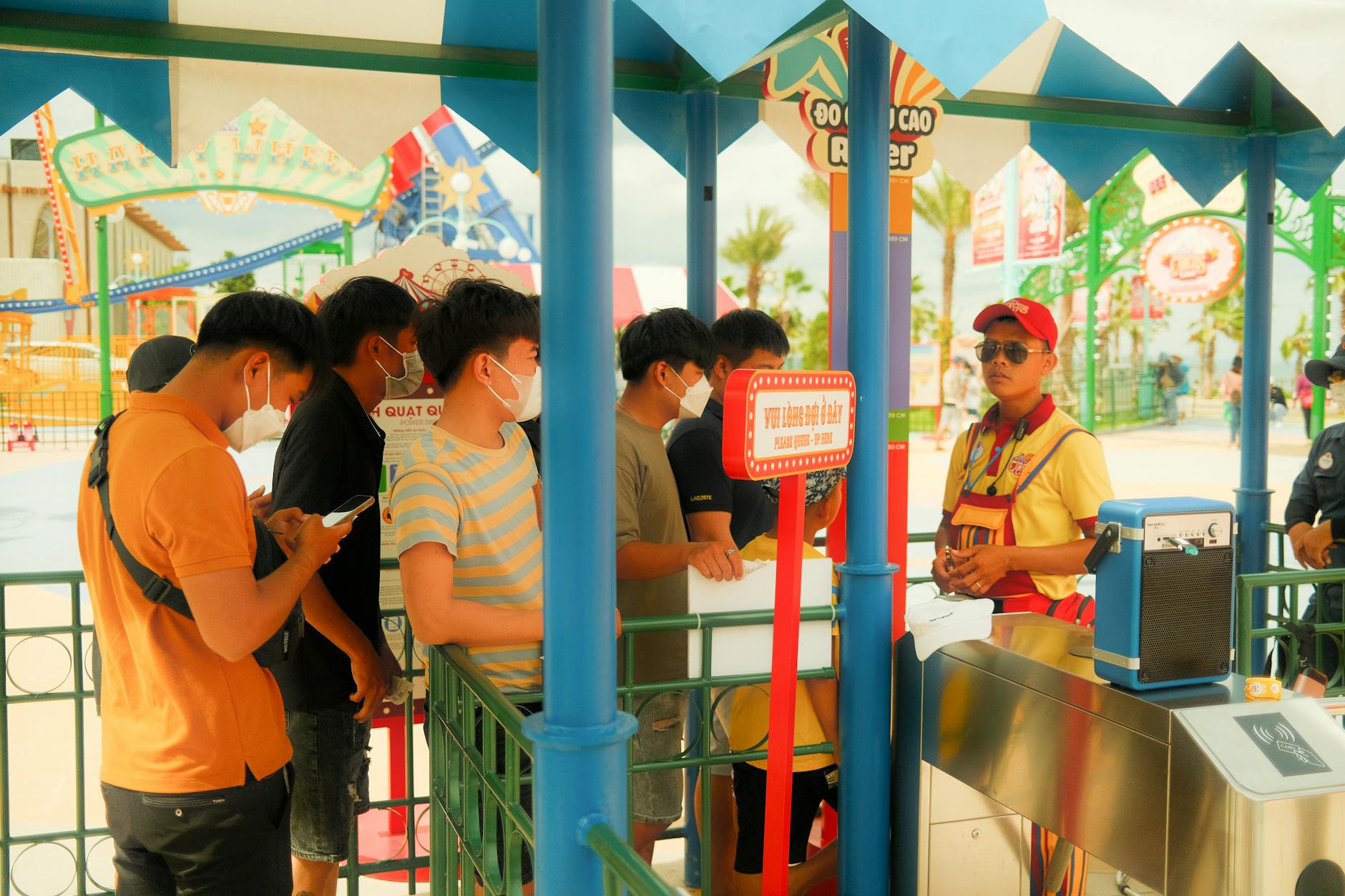
Standby waits of 60–90 minutes in 95°F heat can be physically dangerous. Lightning Lane Multi Pass + Express Pass cuts wait times dramatically. The investment isn’t optional for summer crowds — it’s essential.
Strategy 12: Book Hotels With Pools
Disney Resort hotel pools are heavily used in summer. Returning to a heated pool with shaded loungers is the perfect mid-day break. Off-property vacation rentals with private pools deliver even better mid-day relaxation.

What to Pack for Orlando Summer
Essential Items
Light, loose, moisture-wicking clothes (synthetic preferred). Hat (wide-brim ideal). UPF 50+ sun shirts. Sunscreen (reef-safe, SPF 50+). Reusable water bottle. Portable battery fan ($15–$30). Cooling towels ($10–$25). Sunglasses. Light jacket or sweater for indoor attractions and air conditioning. Comfortable walking shoes (broken in). Swimwear (multiple if doing water parks). Beach towels for water parks. Underwater camera or waterproof phone case.
Park Bag Essentials
Reusable water bottle. Sunscreen. Cooling towel. Portable fan. Light jacket. Sunglasses. Snacks. Light cash. Phone with portable charger.
Don’t Pack
Heavy or layered clothing (wasteful for summer). Cotton-only outfits (don’t wick sweat). Closed-toe boots (your feet will swell and cook). Anything dark/black that absorbs heat.
Park-by-Park Summer Strategy
Magic Kingdom Summer Strategy
Rope drop at 8:00 a.m. (Early Theme Park Entry for Disney Resort guests). Hit Tier 1 attractions before 11:00 a.m. (Tron, Seven Dwarfs, Big Thunder, Space Mountain). Midday break 12:30–4:00 p.m. Return for fireworks. Read our Magic Kingdom guide.
EPCOT Summer Strategy
Less heat-stress than Magic Kingdom due to many indoor pavilions and the World Showcase rotation. Drink Around the World becomes physically rewarding in summer. Indoor pavilions provide AC throughout the day. Festival of the Holidays food booths run mid-summer. Read our EPCOT guide.
Hollywood Studios Summer Strategy
The most physically constrained park in summer. Limited shade, dense crowds. Galaxy’s Edge can hit 110°F+ on hot days. Plan early arrival, midday break, evening return. Read our Hollywood Studios guide.
Animal Kingdom Summer Strategy
Has the most shade of any Disney park (canopy trees in Discovery Island, Pandora). Animal exhibits in cool morning and late afternoon are best. Pandora at sunset is one of the most beautiful experiences at Disney.
Universal Studios Florida Summer Strategy
Indoor attractions help. Diagon Alley provides shaded immersive experience. Read our Universal Studios Florida guide.
Islands of Adventure Summer Strategy
Toon Lagoon water rides provide cooling. Hogsmeade has substantial shade. The thrill coasters (VelociCoaster, Hagrid’s, Hulk) create their own breeze on the ride. Read our Islands of Adventure guide.
Universal Epic Universe Summer Strategy
The newest Universal park has substantial covered/shaded areas. Power-Up Bands and interactive wand experiences happen indoors as much as outdoors. Read our Epic Universe guide.
Volcano Bay (Universal Water Park) Summer Strategy
The headline summer attraction at Universal. Year-round operation with peak summer crowds. The Krakatau Aqua Coaster is the must-do. TapuTapu Power-Up bracelet system manages virtual queues, eliminating standby waits.
Disney’s Typhoon Lagoon and Blizzard Beach Summer Strategy
Both Disney water parks at full operation in summer 2026. Typhoon Lagoon’s wave pool, Blizzard Beach’s Summit Plummet, and Crush ‘n’ Gusher are the headline summer attractions. Read our Typhoon Lagoon guide and Blizzard Beach guide.
Best Summer Special Events at Orlando Theme Parks
Universal H2O Glow After Hours (Volcano Bay)
Select Saturday evenings June 6 – September 5, 2026. Separate ticket. Walking-on access to all Volcano Bay slides after sunset. The most popular summer evening event at Volcano Bay.
Disney’s H2O Glow Night After Hours (Typhoon Lagoon)
Similar concept at Typhoon Lagoon. Select Saturday nights June through September 2026. Separately ticketed.
Universal’s Mardi Gras Concert Series Continues into Summer
The Mardi Gras Concert Series at Universal Studios Florida runs through April 5, but summer brings other concert series (verify the 2026 calendar). Major-name musical acts on Saturday nights.
July 4th Fireworks
Magic Kingdom hosts an enhanced July 4th fireworks show. Universal hosts patriotic events. Both parks are extremely crowded on July 4th itself.
Disney After Hours Events
Disney After Hours runs at Magic Kingdom select summer nights. Separately ticketed. Walking-on access to most Tier 1 attractions for 3 hours after regular park close.
Universal’s Halloween Horror Nights Pre-Sale
HHN tickets go on sale in late summer (typically late August/early September). Visit during this window to lock in early-bird pricing.

Summer Pricing Considerations
Hotel Rates
Disney Resort and Universal on-site hotels at peak summer pricing. Off-property hotels also at peak. Vacation rental homes at peak.
Disney Park Tickets
Summer dates at Peak pricing tier. Single-day Magic Kingdom: $179–$199 (vs $129 value dates). 5-day Park Hopper: $740–$830 (vs $570–$675 value dates).
Universal Park Tickets
Summer dates at peak. 1-day single park: $170–$190. 3-Day Park-to-Park: $440–$460.
Lightning Lane / Express Pass
Both Disney Lightning Lane and Universal Express Pass at peak pricing in summer.
Disney Free Dining Promotions
Watch for Free Dining package promotions for select late August and September dates. These offer Disney Dining Plan free with package bookings — effectively a 10–25% trip discount.

Specific Summer Day-by-Day Plan
Day 1: Magic Kingdom (Heat Strategy)
7:00 a.m. wake. 8:00 a.m. arrive at Magic Kingdom (Early Entry for Disney Resort guests). Rope drop Tron Lightcycle / Run or Seven Dwarfs Mine Train. 8:30–11:00 a.m. ride 4–6 Tier 1 attractions. 11:30 a.m. early lunch (Be Our Guest if reservation; Columbia Harbour House quick service). 12:30 p.m. depart for hotel break. 1:00–4:00 p.m. hotel pool, lunch, and rest. 4:30 p.m. return to park. Rest of afternoon: indoor attractions, parade. 6:30 p.m. dinner. 8:00–9:00 p.m. fireworks.
Day 2: Water Park (Cooling Day)
9:00 a.m. arrive at Typhoon Lagoon, Blizzard Beach, or Volcano Bay. Spend morning at slides and wave pool. Lunch poolside. Afternoon at lazy river. Leave by 4:00 p.m. when crowds peak.
Day 3: EPCOT (Less Demanding Day)
9:00 a.m. arrive at EPCOT. Future World morning. Lunch at international pavilions. World Showcase afternoon. Festival booths if running. Stay through nighttime spectacular (Luminous: The Symphony of Us).
Day 4: Hollywood Studios (Demanding Day)
Rope drop. Galaxy’s Edge focus. Lightning Lane Multi Pass + Single Pass essential. Hotel break mid-day. Return for evening Galaxy’s Edge after dark.
Day 5: Animal Kingdom or Universal
Cool morning at animal exhibits. Pandora at sunset. Or Universal Studios Florida with mid-day break.
Insider Tips for Summer Orlando
Drink Cold Water Constantly
Disney quick-service restaurants give free water cups upon request. Keep your bottle filled. Don’t wait until you feel thirsty; thirst is a late-stage indicator of dehydration.
Use Cooling Stations
Disney’s First Aid stations have cooling rooms with air conditioning and water for guests showing heat distress. Don’t ignore symptoms; visit First Aid if you feel unwell.
Bring Electrolyte Tablets or Drinks
Pedialyte for kids, Liquid I.V. powder packets for adults. Use one packet per 16–24 oz of water in the hottest hours.
Take Indoor “Cool Down” Walks
Even when not riding attractions, walking through air-conditioned areas (gift shops, restaurants, indoor queue lines) provides genuine cooling. Plan 10-minute “cool down” walks every 90 minutes outdoors.
Skip Mid-Day Outdoor Lines
Standing in 95°F outdoor standby line for 60+ minutes is genuinely dangerous in summer. Use Lightning Lane / Express Pass to skip outdoor waits during the hottest hours.
Wear Sunscreen All Day
Reapply every 90 minutes. Florida sun burns through clouds and overcast. UPF 50+ sun shirts reduce sunscreen reapplication frequency.
Pre-Cool Yourself Before Long Lines
If you must wait in an outdoor line, pre-cool yourself by stepping into a nearby air-conditioned space first. The cool starting temperature provides a buffer for the heat exposure.
Know the Heat Stroke Warning Signs
Heat stroke is medical emergency: confusion, hot dry skin (no sweating), rapid pulse, nausea, headache, body temperature 103°F+. Get medical help immediately. Disney has First Aid stations at every park; they will provide initial care and call 911 if needed.
Plan for Storms
Florida summer thunderstorms are predictable. Have ponchos ready. Plan to be in indoor attractions or covered areas at 2–4 p.m. Most parks have indoor attractions that ramp up during storms.
Use Dole Whip and Frozen Treats
Frozen treats are genuinely cooling. Dole Whip at Magic Kingdom, frozen butterbeer at Universal, and various frozen lemonades all help. Time these for hottest moments.
FAQ: Orlando Theme Parks in Summer 2026
Is summer the worst time to visit Orlando?
For weather: yes. Highest heat, humidity, and afternoon storms. For crowds: nearly worst (only Christmas/New Year’s, Spring Break, and Easter beat summer for crowd density). For ticket pricing: at peak. For school-schedule families: often unavoidable.
How hot does it get in Orlando in summer?
Highs 90–95°F daily. Heat index frequently 100–105°F due to humidity. Mornings start in upper 70s; by 11:00 a.m. it’s uncomfortable, by 2:00 p.m. it’s oppressive.
What should I wear at Orlando theme parks in summer?
Light, loose, moisture-wicking clothes. Hat. UPF 50+ sun shirt. Comfortable walking shoes. Swimwear for water parks. Avoid cotton-only outfits, dark colors, closed-toe boots.
How much water should I drink in Orlando summer?
64–96 ounces per person per day minimum. More for active days or hottest weather. Add electrolyte drinks (Pedialyte, Liquid I.V.) during hottest hours.
Do Orlando theme parks have free water?
Yes. All Disney and Universal quick-service restaurants provide free water cups upon request. Reusable water bottles can be refilled at fountain stations throughout parks.
Are afternoon thunderstorms a problem?
Yes during 2–4 p.m. on most summer days. Lightning evacuates outdoor attractions. Plan to be indoors during storm windows. Storms last 30–60 minutes typically.
Should I plan a water park day in summer?
Yes for 5+ day trips. Water parks provide essential heat relief and add variety. Volcano Bay (year-round, Universal), Typhoon Lagoon, Blizzard Beach all worth a day.
Is Lightning Lane / Express Pass essential in summer?
Strongly recommended. Standing in 95°F+ outdoor standby for 90+ minutes is genuinely dangerous. The cost premium is justified by the safety and time benefits.
What time should I arrive at Orlando parks in summer?
30+ minutes before park opening for rope drop. The first 90 minutes of the park day provide the lowest waits and the lowest temperatures.
Is Disney World crowded in summer?
Yes, very. Crowd levels 7–9/10 across all parks. School breaks bring family vacations. Memorial Day–July 4th period and the week before back-to-school are the densest.
Can I avoid summer Orlando heat by going to indoor attractions only?
Most parks have substantial indoor attractions, but you’ll still need outdoor walking between attractions. Strategies above help; complete avoidance isn’t realistic.
What’s the best month for summer Orlando trips?
Late August (week before Labor Day) often has the lowest summer crowds while still benefiting from warm weather. Late June offers slightly cooler weather than July/August. Late August is typically best for value-conscious summer visitors.
Final Word
Orlando theme parks in summer are physically demanding but manageable with proper preparation. The right combination of rope drop, mid-day hotel breaks, hydration, indoor attractions, water park days, Lightning Lane/Express Pass for skip-the-line access, and proper clothing and gear turns Florida summer from a survival challenge into a successful family vacation. Don’t underestimate the heat — it’s genuinely punishing — but with the framework in this guide, you can deliver the family Orlando experience your kids will remember despite the conditions. Plan deliberately, drink constantly, break frequently, and you’ll come home with summer Orlando memories that justify the planning investment.
More Orlando Seasonal Guides
Read our complete best time to visit Orlando theme parks guide for the broader month-by-month calendar, our Orlando in January and February guide for the lowest-crowd alternative, our Orlando spring break guide for a related crowd strategy, our Orlando water parks guide for water park strategy, and our Walt Disney World guide for park strategy. A sibling article on Orlando theme parks in fall is coming next in our content plan.