Trading Roller Coasters for Real Florida: Orlando’s Nature Escape
On a brutally hot July afternoon two summers ago, I was done. Done with the queue lines, done with the $7 bottled water, done with the relentless beeping of turnstiles. I drove forty minutes north of the resort corridor, paid a six-dollar entrance fee, walked down a wooden staircase into Wekiwa Springs, and lowered myself into water that hits a constant 72 degrees year-round. I promise you it was the best six dollars I spent on that entire trip — better than any FastPass, better than any churro. That cold, clear, electric jolt of real Florida is the secret that locals know and most visitors never discover.
Here’s the thing nobody tells you when you’re planning an Orlando vacation: the city sits in the middle of one of the most spectacular natural landscapes in North America. We’ve got the highest concentration of freshwater springs on Earth bubbling up just outside town. We’ve got the literal headwaters of the Everglades a half-hour south. We’ve got manatees, alligators, bald eagles, and sandhill cranes living their lives while a few miles away, animatronic pirates sing the same song on a loop. After fifteen years of living here and dragging every visiting friend out to these places, I’ve learned that a single “nature day” mid-trip does more for a vacation than any extra park ticket. It resets your feet, your wallet, and your sanity.
This is your complete, current-for-2026 guide to Orlando’s outdoors — the springs, the airboats, the manatees, the state parks, the gardens, and the wetlands. I’ll tell you exactly what things cost, when to go, what to bring, and how to not get eaten by an alligator (genuinely useful information down there). If you’re already mapping out the non-coaster side of your trip, this pairs perfectly with our pillar guide to things to do in Orlando besides theme parks.

Florida’s Springs: The 72-Degree Miracle
Let me explain why the springs are such a big deal, because the photos genuinely do not prepare you. These aren’t man-made pools. They’re places where the Floridan aquifer — an underground ocean of filtered rainwater — pushes up through limestone vents at the surface. The water is gin-clear, faintly blue-green, and stays right around 70-72 degrees Fahrenheit every single day of the year. In July, when Orlando is a 95-degree sauna, that water is a religious experience. In January, it feels almost warm compared to the air. The springs are the single best rest-day move in Central Florida.
Wekiwa Springs State Park (Apopka) — the closest big one
This is my go-to and the spring I’d send any first-timer to. Wekiwa (yes, the spring is “Wekiwa” and the river it feeds is the “Wekiva” — Florida loves to confuse you) sits about 40 minutes north of the International Drive / Disney corridor. The swimming area is a broad, sandy-bottomed bowl with a roped-off shallow end for kids and a deeper middle where the spring boil churns up from below. Beyond swimming, there are over 13 miles of hiking and off-road biking trails, and you can rent canoes and kayaks to paddle up the spring run looking for turtles, otters, and the occasional gator sunning on a log.
Cost (2026): $6 per vehicle (up to 8 people), $4 for a single-occupant vehicle, $2 for pedestrians and cyclists. Critical update: As of September 2025, Wekiwa now requires an advance day-use reservation during peak season (roughly March 12 through September 1). The reservation itself is free, but the park fills up and turns cars away on weekends, so book your slot through the Florida State Parks reservation system at floridastateparks.org/reservations before you drive out. I cannot stress this enough — I’ve watched families get turned around at the gate on a Saturday because they didn’t reserve.
Rock Springs / Kelly Park (Apopka) — the lazy river of your dreams
About 50 minutes north, Kelly Park is home to Rock Springs, a natural spring run that functions as a free-flowing lazy river. You grab an inner tube, walk to the top of the run, plop in, and let the gentle 68-degree current carry you a quarter-mile downstream through a canopy of trees. Then you walk back and do it again. It’s pure, simple joy. The park charges a modest per-person entrance fee (around $3 per person, cash or card), and crucially, the park does NOT rent tubes — you rent those from vendors just outside the gate or bring your own. Kelly Park also operates on a daily capacity limit and frequently reaches it by mid-morning on weekends and all summer, so arrive before 9 a.m. or reserve a parking slot online if available.
Blue Spring State Park (Orange City) — manatee central
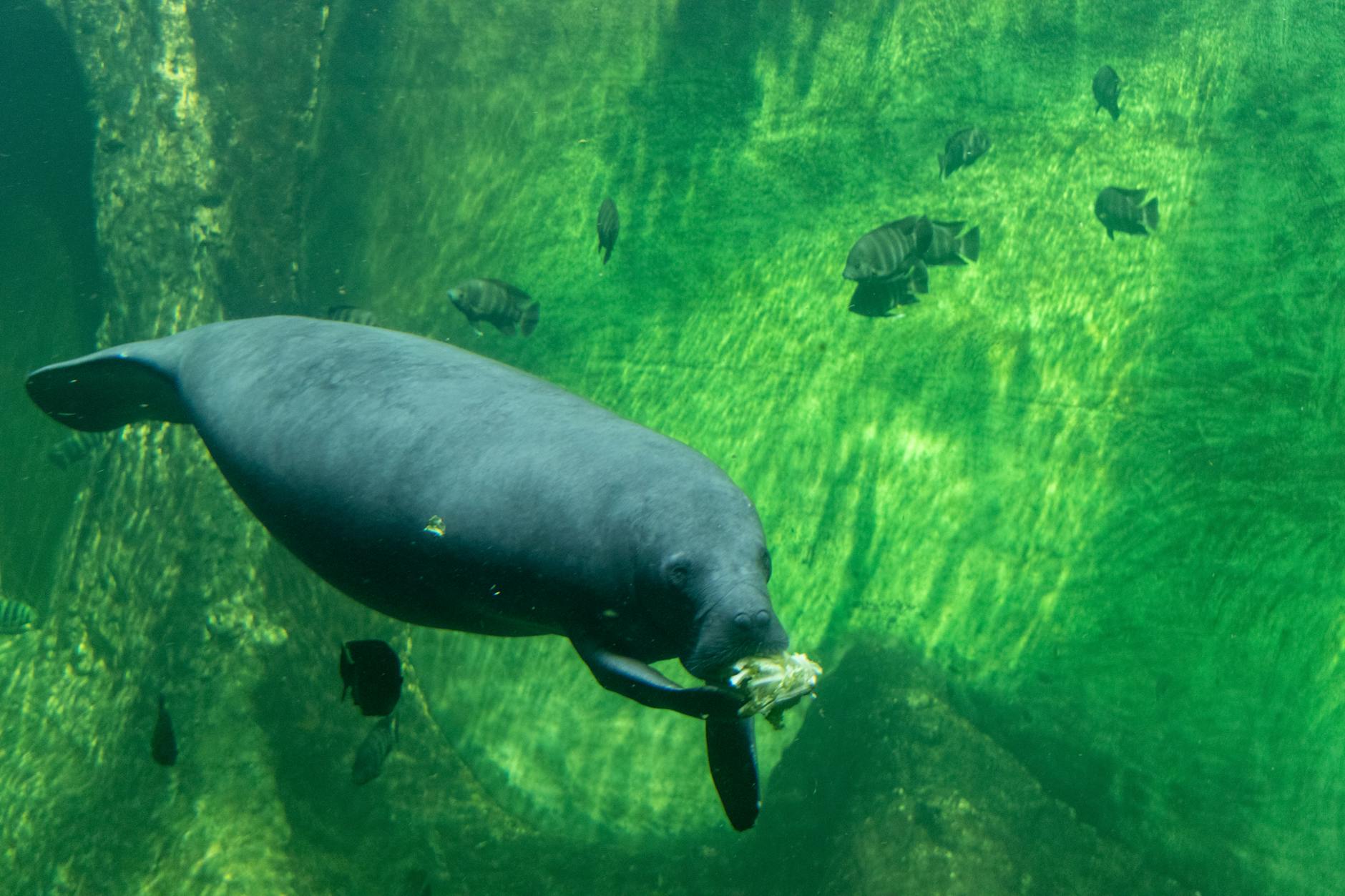
Blue Spring, about an hour north of the resorts, is the most famous manatee gathering site in the state. Here’s how it works seasonally, and this trips up a lot of visitors. From roughly mid-November through March, when the St. Johns River turns cold, hundreds of manatees pile into the constant 72-degree spring run to stay warm — record counts have topped 700 animals on the coldest days. During this winter manatee season, the spring run is CLOSED to swimming and paddling so the animals aren’t disturbed; you watch from an elevated boardwalk instead, and it is jaw-dropping to see that many sea cows drifting below you. Then, effective each year, the spring run reopens to swimming and water activities for the warm season (the 2026 swimming season runs April 1 through November 14). So: come in winter to SEE manatees, come in summer to SWIM. Entry is $6 per vehicle, and like Wekiwa, Blue Spring uses the reservation system on busy days.
De Leon Springs State Park — swim, then make your own pancakes
A little over an hour north, De Leon Springs has a charming twist: inside the park sits the Old Spanish Sugar Mill, a pancake house built in a replica 1830s mill where you cook your own pancakes on a griddle built into your table. You swim in the spring, then refuel on pancakes you flipped yourself. Entry is $6 per vehicle. It’s a fantastic family day and a genuinely unique Florida tradition.
Alexander Springs & Silver Springs — worth the longer drive
If you’re willing to drive 75-90 minutes into the Ocala National Forest, Alexander Springs is one of the few first-magnitude springs you can both swim and scuba dive in, with a gradual sandy entry that’s wonderful for kids. Further out near Ocala, Silver Springs State Park runs the world-famous glass-bottom boat tours — a Florida institution since the 1870s — where you glide over the spring vents and watch fish, turtles, and even the occasional alligator through the glass hull. Glass-bottom boat tours run roughly $15-17 per person plus a small park entry. It’s touristy in the best, most old-Florida way.
Springs comparison at a glance
| Spring | Drive from parks | Cost | Best for |
|---|---|---|---|
| Wekiwa Springs | ~40 min | $6 / vehicle | First-timers, swimming + kayaking + hiking |
| Rock Springs / Kelly Park | ~50 min | ~$3 / person | Tubing the lazy river |
| Blue Spring | ~1 hr | $6 / vehicle | Manatees (winter) / swimming (summer) |
| De Leon Springs | ~1 hr 10 min | $6 / vehicle | Swim + cook-your-own pancakes |
| Alexander Springs | ~75 min | ~$11 / vehicle | Snorkeling, scuba, easy entry for kids |
| Silver Springs | ~80 min | $8 + boat fee | Glass-bottom boat tours, old-Florida charm |
Because every one of these is a drive, you’ll want your own wheels — the springs are not served by tourist transit. Our rental car guide for Orlando theme parks and the broader Orlando transportation guide both walk through why a car is non-negotiable for nature days.
Airboat Rides: The Headwaters of the Everglades
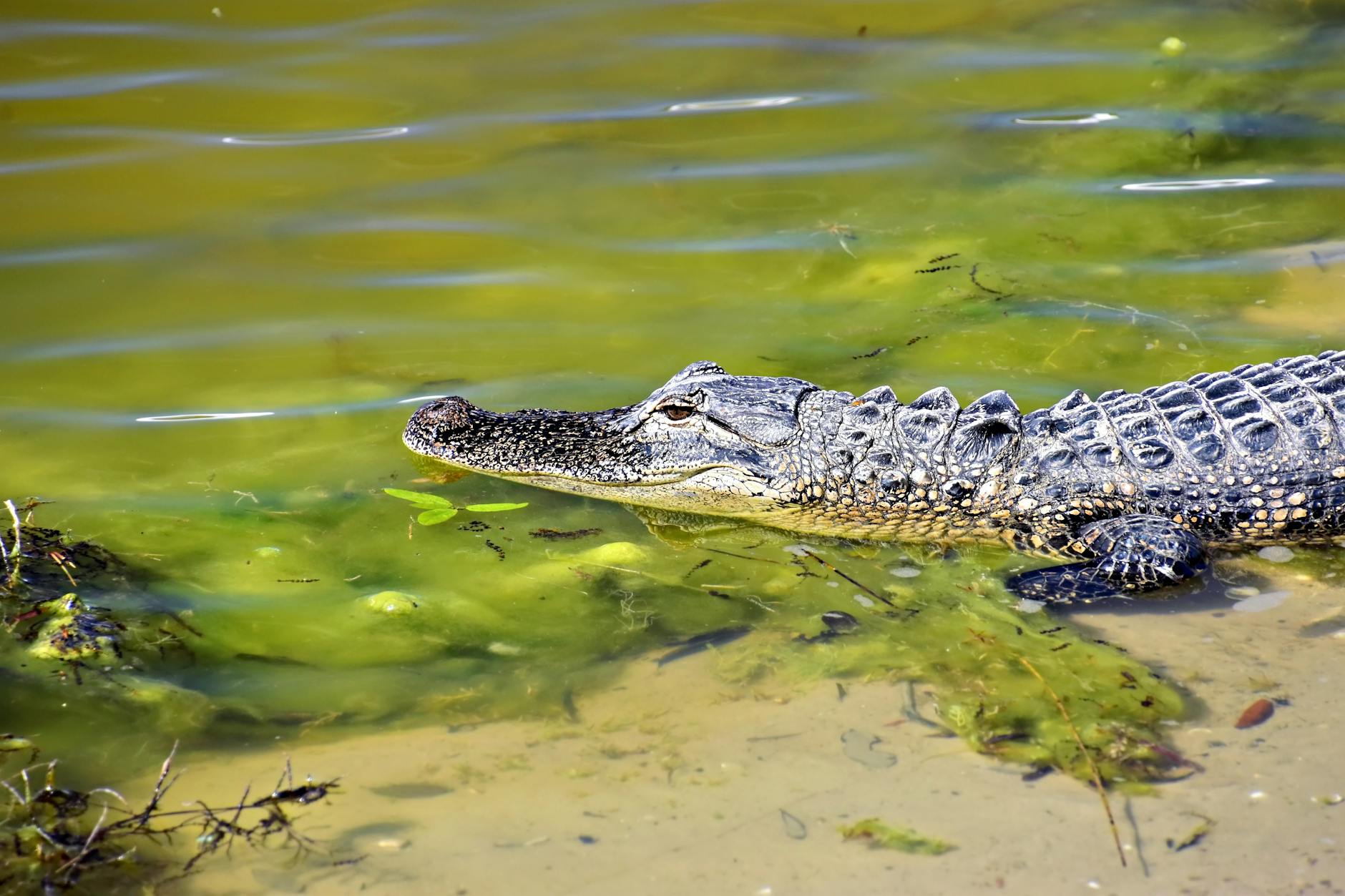
People are shocked to learn that the Everglades begin just south of Orlando. The vast marshes around the Kissimmee River and Lake Tohopekaliga are the literal headwaters of that famous “river of grass,” and the best way to experience them is screaming across the sawgrass on an airboat. The first time you hit open marsh at full throttle, fan roaring behind you, herons lifting off in every direction — it’s a genuine thrill, and you’ll almost certainly spot wild alligators.
Boggy Creek Airboat Adventures (Kissimmee)
The closest operator to the resorts, about 25-35 minutes south, Boggy Creek runs on the marshes of Lake Toho. The bread-and-butter is a 30-minute daytime ride, priced around $30-35 per adult in 2026, with longer one-hour, sunset (~$58-68), and night gator-spotting tours (~$63-73) available. They also bundle an “Ultimate” package with lunch, a gem-mining sluice, and park admission, plus combo tickets with Gatorland nearby. Day tours are great; the night tour, where gator eyes glow red in the spotlight, is unforgettable if you don’t mind a later evening.
Wild Florida (Kenansville)
About 45-50 minutes south on the edge of the Everglades headwaters, Wild Florida pairs airboat rides with a full drive-through safari park and walkable wildlife park (sloths, lemurs, and the famous “Crackers” the gator). It’s a bigger day out and a strong pick if you want airboats plus an animal park in one stop. Airboat rides start in the mid-$30s, with combo and safari upgrades available. Booking online in advance almost always beats the gate price at both operators.
If alligators are really your thing, you’ll also want to read our dedicated Gatorland Orlando guide — it pairs beautifully with a Boggy Creek airboat ride since they’re practically neighbors.
Manatee Kayaking: Eye to Eye with a Sea Cow
I’ll be honest: paddling a clear-bottomed kayak while a 1,000-pound manatee drifts beneath you is one of the most peaceful, slightly surreal things I’ve ever done in Florida. For the bucket-list version, you head about 90 minutes northwest to Crystal River and Three Sisters Springs, the only place in North America where you can legally swim and snorkel with wild West Indian manatees. Outfitters run small-group clear-kayak and snorkel tours, and on calm days the tours paddle right into the impossibly blue Three Sisters Springs.
Timing matters enormously. Official manatee season at Crystal River runs November 15 through March 31, when the largest numbers congregate in the warm springs. A resident population stays year-round, so summer trips still spot a few, but for the dozens-of-manatees experience, go in winter. Tours run roughly $50-75 per person, you must arrive 30 minutes early for check-in, and operators are open year-round except Thanksgiving and Christmas. Sightings are never guaranteed — these are wild animals — but in peak season your odds are excellent.
Closer-in paddling: no long drive required
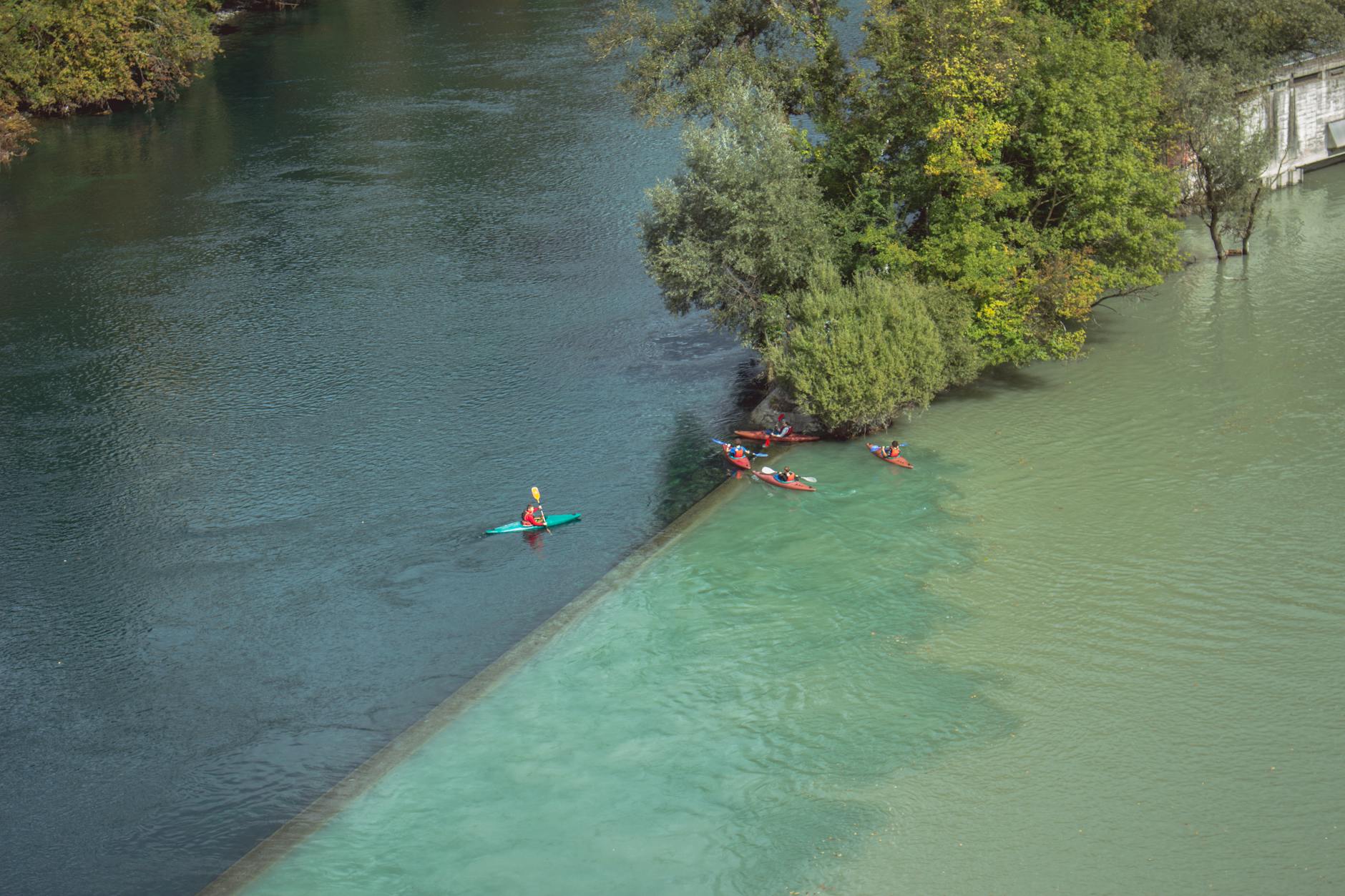
If 90 minutes each way is too much, you’ve got beautiful paddling much closer:
- Winter Park Chain of Lakes Scenic Boat Tour — Not a kayak, but the classic Central Florida nature cruise: a narrated one-hour pontoon tour through three lakes and two cypress-lined canals in genteel Winter Park, just 25 minutes from downtown. Tours leave on the hour from 10 a.m. to 4 p.m. and run around $18-20 for adults. Old money, towering cypress, ospreys overhead — it’s gorgeous and easy.
- Shingle Creek — Quietly tucked behind Kissimmee’s tourist strip, Shingle Creek is the actual headwaters of the Everglades, and you can rent a kayak and paddle a cypress-shaded blackwater creek that feels a hundred miles from civilization. Astonishing that it’s minutes from the resorts.
- Econlockhatchee River — The “Econ,” east of Orlando, is a wild, twisting blackwater river loved by local paddlers for its remote, untouched feel and abundant wildlife.
State Parks, Preserves & Trails: Hiking and Biking in the Subtropics
You don’t need water to enjoy Orlando’s outdoors. The region is laced with preserves and paved trails, and most are free or close to it. This is also some of the best free things to do in Orlando you’ll find anywhere.
Wekiwa Springs trails
Beyond the swimming hole, Wekiwa’s 13-plus miles of trails wind through longleaf pine, sandhill, and hammock — keep an eye out for white-tailed deer and gopher tortoises. Worth a half day on its own.
Tibet-Butler Preserve (near Disney)
This is the hidden gem I send people to when they want nature without leaving the Disney bubble. A 438-acre preserve just minutes from the Walt Disney World gates with over four miles of trails through pine flatwoods, scrub, and cypress-lined lakeshore, plus a small eco-education center. It’s free, open Wednesday through Sunday (8 a.m.-6 p.m.), and you’ll spot tortoises, butterflies, and wading birds. The contrast — fighter-jet-loud theme parks one minute, total silence under longleaf pines the next — is what makes it special.
Lake Louisa State Park (Clermont)
Just 20 minutes west of Walt Disney World, Lake Louisa sprawls across six lakes and 11 ecosystems in one of the hilliest parts of Central Florida, with over 23 miles of trails for hiking, biking, and horseback riding, plus genuine scenic overlooks (a rarity in pancake-flat Florida). Entry is $5 per vehicle. Great for cycling and sunset lake views.
Disney Wilderness Preserve (Kissimmee)
Despite the name, this is run by The Nature Conservancy, not Disney — an 11,500-acre restored wilderness south of Orlando with quiet hiking loops through pine savanna and along Lake Russell. It’s a serene, under-visited spot for serious birders and anyone craving solitude.
Split Oak Forest & West Orange Trail
Split Oak Forest is a free wildlife management area east of the airport, famous for its ancient namesake split live oak and its protected gopher tortoise population. The West Orange Trail is a 20.8-mile paved rail-trail running from Winter Garden up to Apopka, perfect for cycling or a long walk, with restrooms, picnic spots, and the delightful historic downtown of Winter Garden (great brewery and farmers’ market) right on the route.
Gardens & Wetlands: Slow-Down Nature
Harry P. Leu Gardens (Orlando)
Just outside downtown, Leu Gardens packs 50 acres of camellias, roses, a butterfly garden, and one of the largest formal rose gardens in Florida, all draped under enormous moss-hung oaks on the shore of Lake Rowena. Admission is $15 adults, $10 kids 4-17, free under 4 — and the first Monday of every month is free admission. A lovely, low-key couple of hours; it’s a favorite of mine for a relaxed morning, and it’s on our shortlist of Orlando ideas for adults and couples.
Bok Tower Gardens (Lake Wales)
About an hour south in Lake Wales, Bok Tower is a National Historic Landmark: 50 acres of stunning gardens designed by Frederick Law Olmsted Jr., crowned by a 205-foot pink-and-gray marble “Singing Tower” carillon that plays daily concerts. It sits on one of peninsular Florida’s highest points. Admission runs $20 adults, $10 kids 6-17, free under 5, open daily 8 a.m.-6 p.m. It’s genuinely one of the most beautiful and peaceful spots in the entire state.
Orlando Wetlands Park (Christmas, FL)
For birders, this is the crown jewel — a 1,650-acre constructed wetland east of Orlando with miles of flat levee trails that put you eye-level with herons, egrets, roseate spoonbills, alligators, and, in winter, migratory ducks by the thousand. It’s free, and the birdlife is honestly better than many paid attractions. Bring binoculars and go early.
Practical Planning: Fees, Reservations, Seasons & Safety
The Florida State Parks reservation system
This is the single most important logistical thing to understand in 2026. Several popular springs — Wekiwa and Blue Spring chief among them — now require a free advance day-use reservation during peak season because they hit capacity and close the gates. Book through floridastateparks.org/reservations. Do this the night before (or earlier for summer weekends and holidays). Showing up unreserved on a hot Saturday is the #1 way visitors end up disappointed.
When to go
- Springs swimming: Any month for the brave (water is always 70-72°F), but summer is when that cold water feels heavenly against the heat. Spring (March-May) offers the best all-around weather: low-to-mid 80s, lower humidity, fewer storms.
- Manatees: Mid-November through March, peaking on the coldest cold-snap days. This is the only window for the big Blue Spring boardwalk show and prime Crystal River tours.
- Hiking & gardens: November through April is paradise. June-September means heat, humidity, and near-daily afternoon thunderstorms — hike early and watch the radar.
What to bring
- Water shoes (limestone and tree roots are rough on bare feet)
- Far more water than you think — Florida heat is no joke
- Reef-safe sunscreen, hat, and sunglasses
- A dry bag or waterproof phone case for paddling
- Bug spray, especially for wetlands and dawn/dusk hikes
- Cash for the smaller county parks (some tube vendors and gates are cash-friendly)
- A picnic — most of these spots have shaded tables and few have full restaurants
Alligator and wildlife safety (read this)
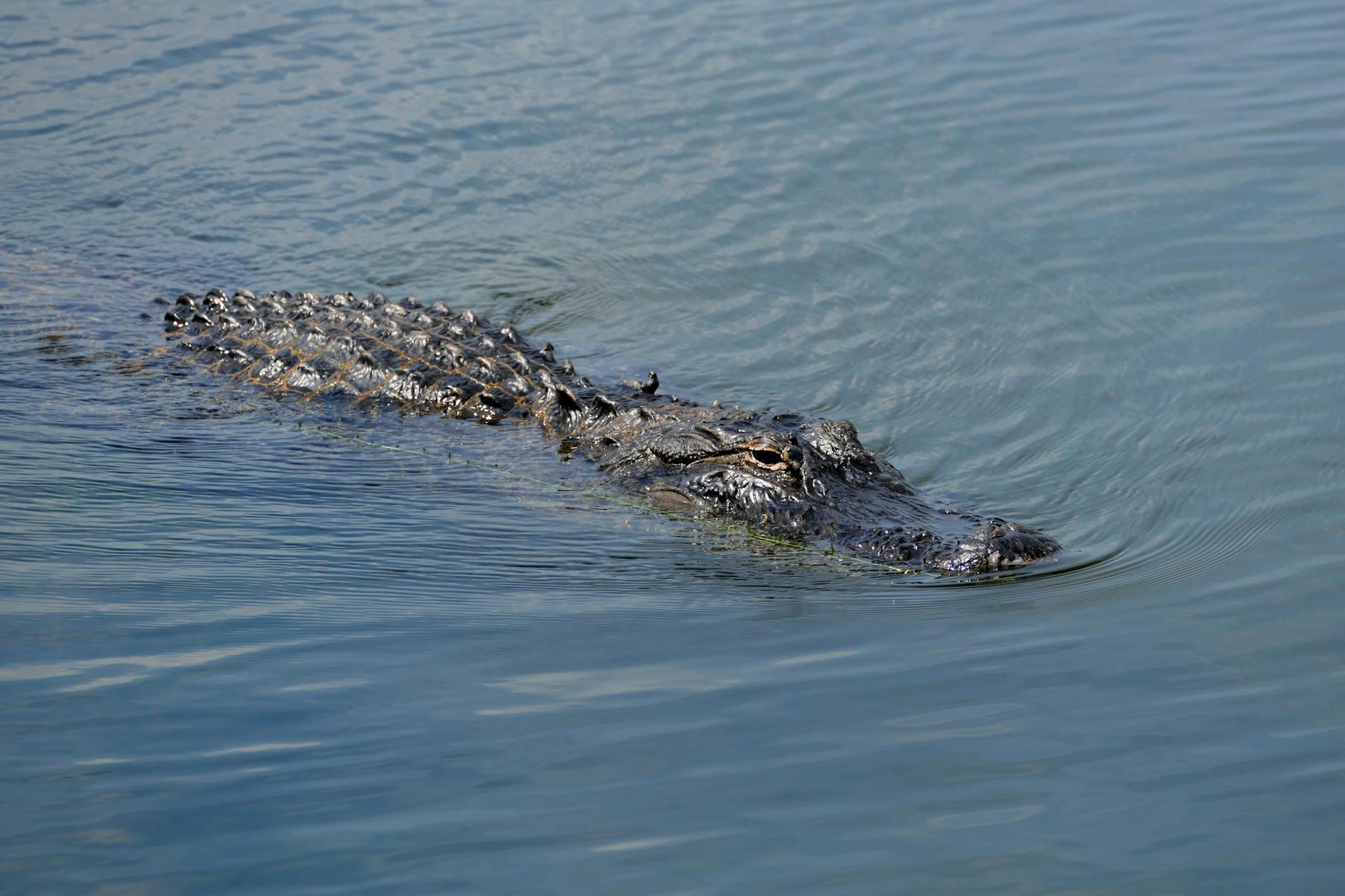
Yes, there are alligators in basically every body of fresh water in Florida. No, they are not lurking to eat you — attacks are extremely rare — but you must respect a few hard rules: never feed an alligator (it’s illegal and it’s what turns them dangerous), keep dogs leashed and away from water’s edge, don’t swim at dawn or dusk when gators feed, and only swim in designated, roped-off spring areas where staff monitor the water. Watch small children near any shoreline. Beyond gators, give manatees and all wildlife space — never chase, touch, or corner them; it’s the law and it’s the right thing to do. And the real danger most visitors underestimate isn’t reptiles, it’s the sun and heat. Hydrate, seek shade, and don’t overdo it.
Budgeting your nature day
The beauty of an outdoors day is how cheap it is. A car full of people at a state spring is $6 total. A free preserve is, well, free. Even an airboat ride runs $30-40 a head. Mid-trip nature days are one of the best ways to stretch a vacation budget — see our guides to visiting Orlando theme parks on a budget and Orlando theme parks with kids for more ways the natural side of town saves you money and sanity. If your nature plans stretch a bit further afield, our Orlando day trips and beaches near Orlando guides cover the coasts and the longer hauls.
Frequently Asked Questions
What is the closest natural spring to the Orlando theme parks?
Wekiwa Springs State Park in Apopka is the closest major swimmable spring, about 40 minutes north of the International Drive and Disney area. Rock Springs at Kelly Park (about 50 minutes) is the closest natural lazy-river tubing run. Both require their own transportation since no tourist transit serves them.
When can I see manatees near Orlando?
Manatee season runs roughly mid-November through March, when cold weather drives hundreds of manatees into the constant 72-degree springs. The best free viewing is the boardwalk at Blue Spring State Park (about an hour north), where winter counts have topped 700 animals. For swimming and snorkeling with them, head about 90 minutes northwest to Crystal River and Three Sisters Springs, where official manatee season is November 15 through March 31.
How much does an airboat ride in Orlando cost in 2026?
A standard 30-minute daytime airboat tour at Boggy Creek (Kissimmee) runs about $30-35 per adult. Longer rides, sunset tours (~$58-68), and night gator-spotting tours (~$63-73) cost more. Wild Florida airboat rides start in the mid-$30s and can be bundled with their safari and wildlife park. Booking online in advance almost always beats the gate price.
Do I need a reservation for Florida state parks near Orlando?
For the most popular springs — Wekiwa Springs and Blue Spring — yes, during peak season. As of late 2025 these parks require a free advance day-use reservation booked through floridastateparks.org/reservations because they fill to capacity and turn cars away. Reserve the night before, or earlier for summer weekends and holidays. Entry itself is typically just $6 per vehicle.
Are the springs safe to swim in with alligators around?
Yes, the designated swimming areas at Florida’s spring parks are roped off and monitored, and serious alligator incidents are extremely rare. Stay within marked swim zones, avoid swimming at dawn or dusk, keep pets and small children away from the water’s edge, and never feed wildlife. Statistically, the sun and heat are a far bigger risk than the gators — hydrate and seek shade.
What should I bring for a day at the springs?
Water shoes, plenty of drinking water, reef-safe sunscreen, a hat and sunglasses, a dry bag for valuables, bug spray, a towel, and a picnic since most parks have shaded tables but limited food. Bring some cash for smaller county parks and tube-rental vendors. For springs that allow it, a snorkel mask lets you see the clear water and fish far better.
Where do Orlando’s nature spots fit into a theme-park trip?
Treat a nature day as your mid-trip reset — slot it on day three or four when feet are sore and budgets are stretched. It costs a fraction of a park ticket, it’s gentler on kids, and it shows you a side of Florida the resorts never will. For the bigger picture of structuring your whole vacation, start with our complete Orlando theme parks guide and build the outdoor days in around your park days.