The One Rookie Mistake That Ruins an Orlando Water Park Day
Here’s the scene I watch play out almost every summer morning: a family rolls into the parking lot at 11:30 a.m., schleps a cooler and four beach towels across a blazing-hot lot, walks through the turnstiles — and discovers every single shaded lounge chair is already gone. Now they’re standing in a soggy clump, the toddler is melting down, Dad’s phone just got splashed because it was loose in his pocket, and someone realizes the sunscreen got left in the car. By 1 p.m. they’re sunburned, broke from the snack stand, and ready to leave.
Almost none of that had to happen. An Orlando water park is one of the easiest, cheapest, most genuinely fun days you can have in the whole vacation — if you do about six things right before you ever leave your hotel room. I’ve spent years helping families plan these days across Disney’s Typhoon Lagoon and Blizzard Beach, Universal’s Volcano Bay, and SeaWorld’s Aquatica, and the difference between a great day and a miserable one almost always comes down to packing, timing, and knowing the rules nobody tells you. This guide covers all of it — what to bring, what to leave home, the cooler and food rules park by park, lockers, whether a cabana is actually worth the money, the free life vests most people don’t know about, sunscreen rules, slide restrictions, and a minute-by-minute game plan for the morning.
For the full lay of the land on each park — tickets, hours, which slides are worth your time — start with our complete Orlando water parks guide. This article is the how-to-survive-the-day companion.
What to Bring to an Orlando Water Park (The Packing List)
The goal here is simple: pack so that nothing about the day costs you money or stress that you could have avoided at home. Water parks make their margin on the stuff you forgot — a bottle of sunscreen at the gift shop can run $20-plus, towels aren’t free at most of these parks, and a single round of frozen drinks and chicken tenders for a family of four will lighten your wallet by $60 fast.
Here’s the kit I tell every family to assemble. Most of it you already own.
- Water shoes or sturdy flip-flops. Florida pavement in July is hot enough to fry an egg, and pool decks get slick. Water shoes with a real grip beat bare feet every time, especially for kids running between slides.
- Rash guards / swim shirts (UPF 50+). This is the single most underrated item on the list. A long-sleeve UPF 50+ swim shirt blocks roughly 98% of UV, dramatically cuts how often you have to reapply sunscreen, and prevents the slide rash you get from sitting in a mat slide for three hours. Buy one for every person in the group.
- Waterproof phone pouch. A $10 lanyard pouch lets you take lazy-river photos without gambling your phone. It also keeps your phone dry in a loose deck bag while you’re on a slide.
- Refillable water bottle. All four parks have free water-refill stations or will give you ice water at counter-service stands. Florida heat dehydrates you faster than you think; a bottle per person is non-negotiable.
- Your own towels. Disney’s water parks and the others charge to rent towels (or sell them), so a couple of quick-dry travel towels from home save money and pack smaller than fluffy beach towels.
- A dry bag or zip-top bags. One waterproof dry bag at your chairs keeps keys, a wallet, and a change of clothes safe and dry without paying for a locker all day.
- Goggles. Cheap, and they make the wave pool and kids’ splash zones far more pleasant.
- A change of clothes (including underwear) per person. Nobody wants to drive back in a wet swimsuit. Pack dry clothes for the ride home.
- Reef-safe / mineral sunscreen, SPF 30+. More on the rules below, but bring it from home and bring plenty.
- Snacks and (where allowed) a soft cooler. The biggest single money-saver of the day. See the park-by-park rules in the next section.
- A hat and sunglasses for lounging, plus a hair tie for long hair on slides.
If you want a master checklist that spans the dry parks too, our Orlando theme park packing list covers everything from strollers to portable chargers.
What to Leave at Home
Just as important as what you bring:
- Anything glass. Banned at every Orlando water park, full stop — bottles, jars, glass food containers.
- Alcohol. You can’t bring your own; buy it inside if you want it.
- Your own large flotation devices and inner tubes. The parks supply tubes for the lazy rivers and slides, and — this is the big one — they provide free life vests in multiple sizes. You generally don’t need to (and at some attractions can’t) use your own personal floaties.
- Valuables you’d hate to lose. Leave the nice jewelry, smartwatch, and extra cash in the hotel safe.
- Drones, hard-sided giant coolers, and (at some parks) outside straws or cans — check the table below.
Food & Cooler Rules by Park (This Is Where People Get It Wrong)
This is the section that genuinely surprises people, because the rules are completely different between the Disney parks and the SeaWorld/Universal parks. Getting this right is the difference between a $15 grocery run and a $70 lunch bill.
The short version: Disney’s two water parks are extremely cooler-friendly. SeaWorld’s Aquatica is restrictive but allows a small soft cooler with snacks. Universal’s Volcano Bay only allows small snacks, no coolers. Always assume contents are subject to a security inspection at the gate.
| Park | Coolers allowed? | Outside food & drink | Key restrictions |
|---|---|---|---|
| Disney’s Typhoon Lagoon | Yes — any reasonable size cooler | Outside food and non-alcoholic drinks permitted | No glass, no alcohol, no loose ice or dry ice — use reusable ice packs |
| Disney’s Blizzard Beach | Yes — any reasonable size cooler | Outside food and non-alcoholic drinks permitted | No glass, no alcohol, no loose ice/dry ice — reusable ice packs only |
| Universal’s Volcano Bay | No coolers | Small individual snacks and a bottle/refillable water bottle only | No outside meals or coolers; no glass; buy meals inside (cashless park) |
| SeaWorld’s Aquatica | Small soft-sided cooler up to 16 quarts | Small individual-serving snacks & refillable water bottle | No glass, no cans, no straws, no large/hard coolers, no alcohol |
The Disney loophole worth knowing: Typhoon Lagoon and Blizzard Beach let you bring a real cooler packed with sandwiches, fruit, and drinks. The only catch is loose ice isn’t allowed — pack frozen reusable ice packs (which double as a way to keep everyone cool). A family that packs lunch here can do the entire day for the price of admission. Full park-specific details live in our Typhoon Lagoon guide and Blizzard Beach guide.
At Volcano Bay and Aquatica, plan to either eat a big meal before you arrive or budget for buying inside. Aquatica’s allowance for a small soft cooler with snacks is a nice middle ground for a family with little kids — pack pouches, crackers, and fruit. See our Volcano Bay guide and Aquatica Orlando guide for dining details.
Lockers: Sizes, Cost & Whether You Actually Need One
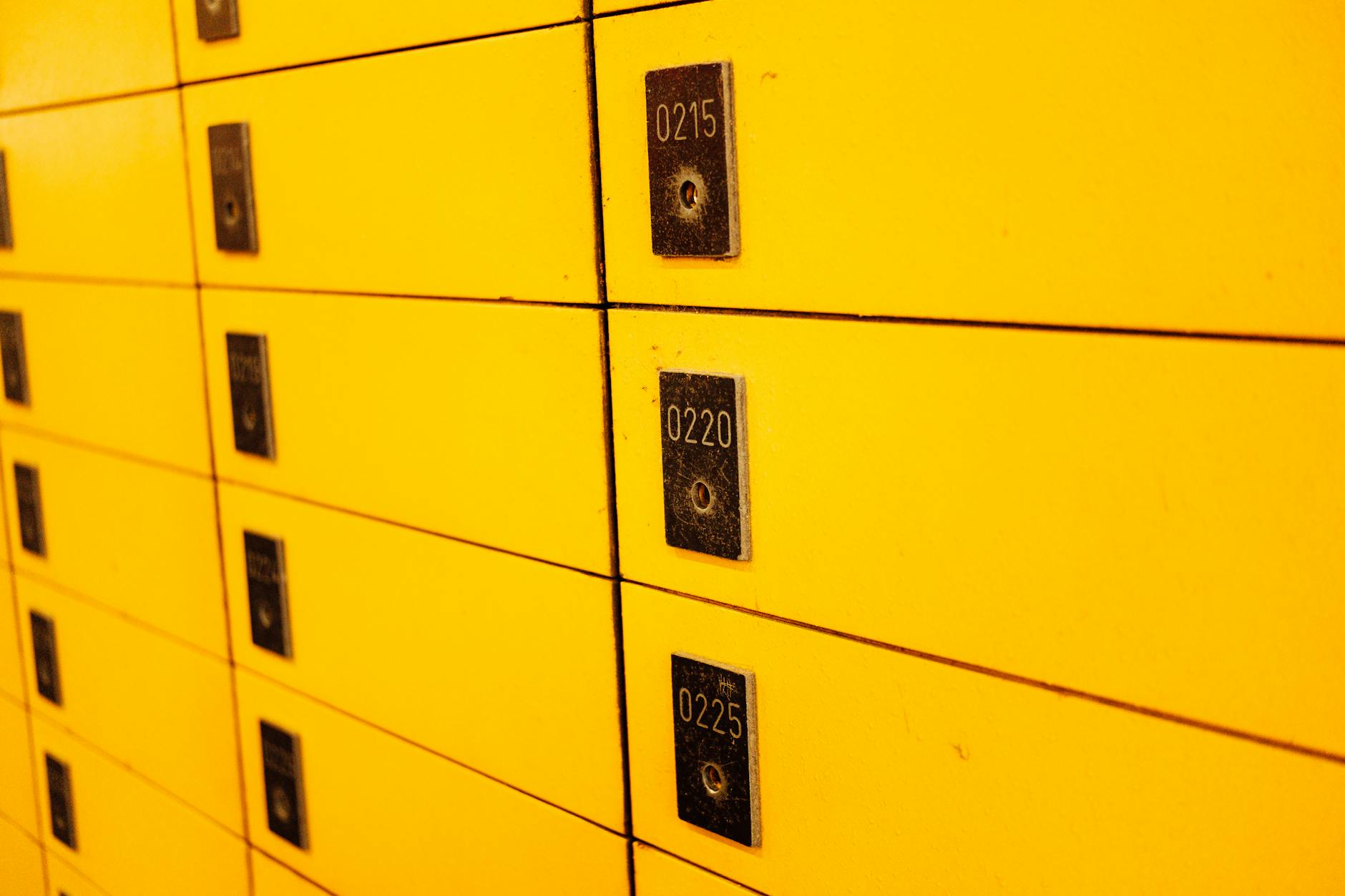
Every Orlando water park rents lockers, and they’re all-day access — meaning you can open and re-close them as many times as you want throughout the day, not a one-time use. That matters because you’ll want to grab your phone for photos, stash a wet towel, or retrieve snacks repeatedly.
Pricing runs roughly:
- Small / mini lockers: about $10-$12, big enough for a phone, wallet, and keys.
- Regular lockers: about $15-$18, fits a small bag and a couple of items.
- Family / large lockers: about $20-$25, holds backpacks, multiple changes of clothes, and shoes.
My honest take: you usually only need a locker for the things you truly can’t lose — car keys, wallet, phone (if you don’t have a waterproof pouch on you). Everything else — towels, sunscreen, snacks, dry clothes — can live in a dry bag at your chairs. Plenty of families skip the locker entirely by having one person watch the stuff while others ride, then swapping. If you do rent, choose a locker bank away from the main entrance — the ones nearest the gate are the most crowded and you’ll fight a line every time you go back.
Cabana Rental: Is It Worth It?
Cabanas are the single biggest “should I or shouldn’t I” question at these parks, so let’s be specific about what you get and when the money makes sense.
What a cabana typically includes: padded lounge furniture in a shaded, often semi-private space; towels for your group; a stocked cooler or mini-fridge with bottled water; a locker; and — this is the real value — an attendant or concierge who takes food and drink orders and brings them to you, so nobody loses their afternoon standing in a counter-service line. At Disney’s Typhoon Lagoon, the Beachcomber Shacks bundle towels, a cooler with ice and water, a locker, and an attendant. Volcano Bay’s premium cabanas add padded loungers, a stocked fridge, a complimentary fruit/snack basket, and concierge food-and-drink service.
What it costs: prices swing hard with the season and the park, but plan on roughly $90-$150 on a slow off-season day at the lower-tier parks, up to $300-$500+ for premium cabanas at Disney and Volcano Bay on a peak summer Saturday. Reservations open in advance and the good ones sell out, so book early if you want one.
When it’s worth it (my rule of thumb):
- You have little kids or a big group. A home base with shade, your own bathroom-break shift system, and food delivered to you is genuinely worth a lot when you’ve got toddlers.
- You’re going on a peak day. When every free chair is gone by 10:30 a.m., a cabana guarantees you a spot — and that guaranteed shade can be the thing that lets you stay all day instead of leaving at noon.
- You’d rather pay than sweat the logistics. If the math of splitting a $300 cabana across six people ($50 each) feels fine for a guaranteed-comfortable day, it’s a reasonable splurge.
When to skip it: a couple or a small family on a quieter weekday who arrives at rope drop can almost always snag a free shaded chair for nothing. Save the cabana money for funnel cake.
Free Life Vests & Water Safety for Kids
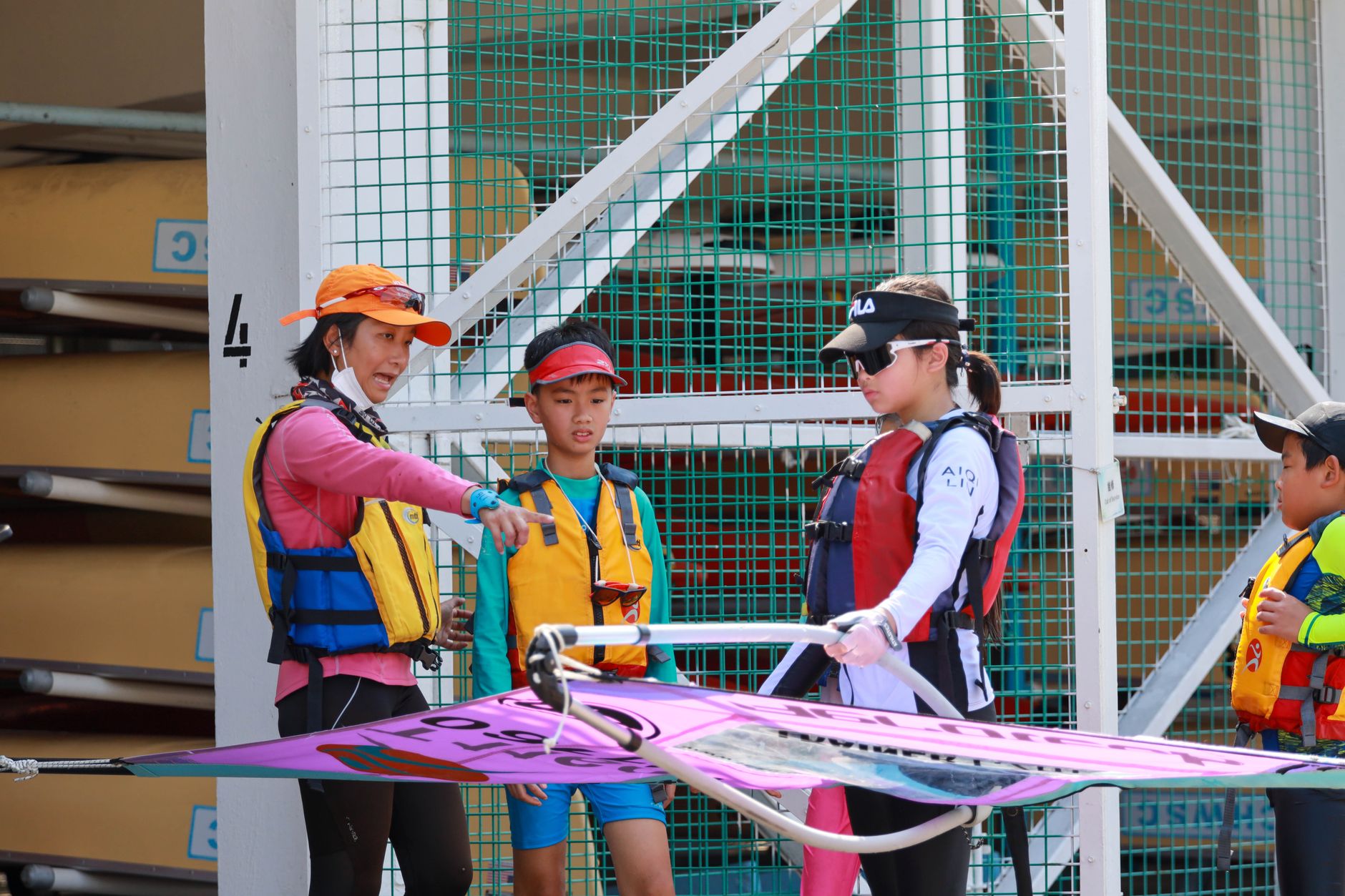
If you take one thing from this article, make it this: every Orlando water park provides life vests for free, in multiple sizes, and you should use them for any child who isn’t a strong, confident swimmer. Volcano Bay and Aquatica both stock four sizes throughout the park at no charge — you don’t reserve them, you just grab one. They are far safer than the inflatable arm “floaties” you might bring from home, which can slip off and give a false sense of security.
The rules that matter most:
- The 48-inch line. At Volcano Bay and Aquatica, children under 48 inches are generally required to wear a complimentary life vest in the wave pool and on many water attractions, and must have a supervising companion. Don’t treat this as red tape — it exists because wave pools are where the most rescues happen.
- The 42-to-48-inch zone. Kids who are over 42 inches but under 48 inches can ride more slides but still need an adult companion on many of them. Always read the sign at each slide entrance.
- Height requirements on big slides. Thrill slides have minimum heights (for example, Volcano Bay’s Honu requires 48 inches; its gentler partner Ika Moana requires 42 inches). Check before you wait in line so nobody gets turned away at the top of the stairs.
The non-negotiable safety habits:
- Lifeguards watch the water, but you watch your kid. Lifeguards are stationed at wave pools, rivers, slide splash-downs, and kids’ areas — but they’re scanning dozens of people. One adult should always have eyes on each young child.
- Use the buddy system. Even strong-swimming older kids should never go off alone; pair them up.
- Match the child to the attraction. Wave pools, “lazy” rivers with current, and tube slides all behave differently. Start with the kids’ splash zones and shallow areas before working up.
- Free life vest beats your own floaties, every time. Put the confident-looking-but-can’t-really-swim kid in a Coast Guard-style vest, not water wings.
Planning a trip built around the youngest travelers? Our Orlando theme parks with kids guide goes deeper on managing a full day with little ones.
Sunscreen Rules & Sun Protection
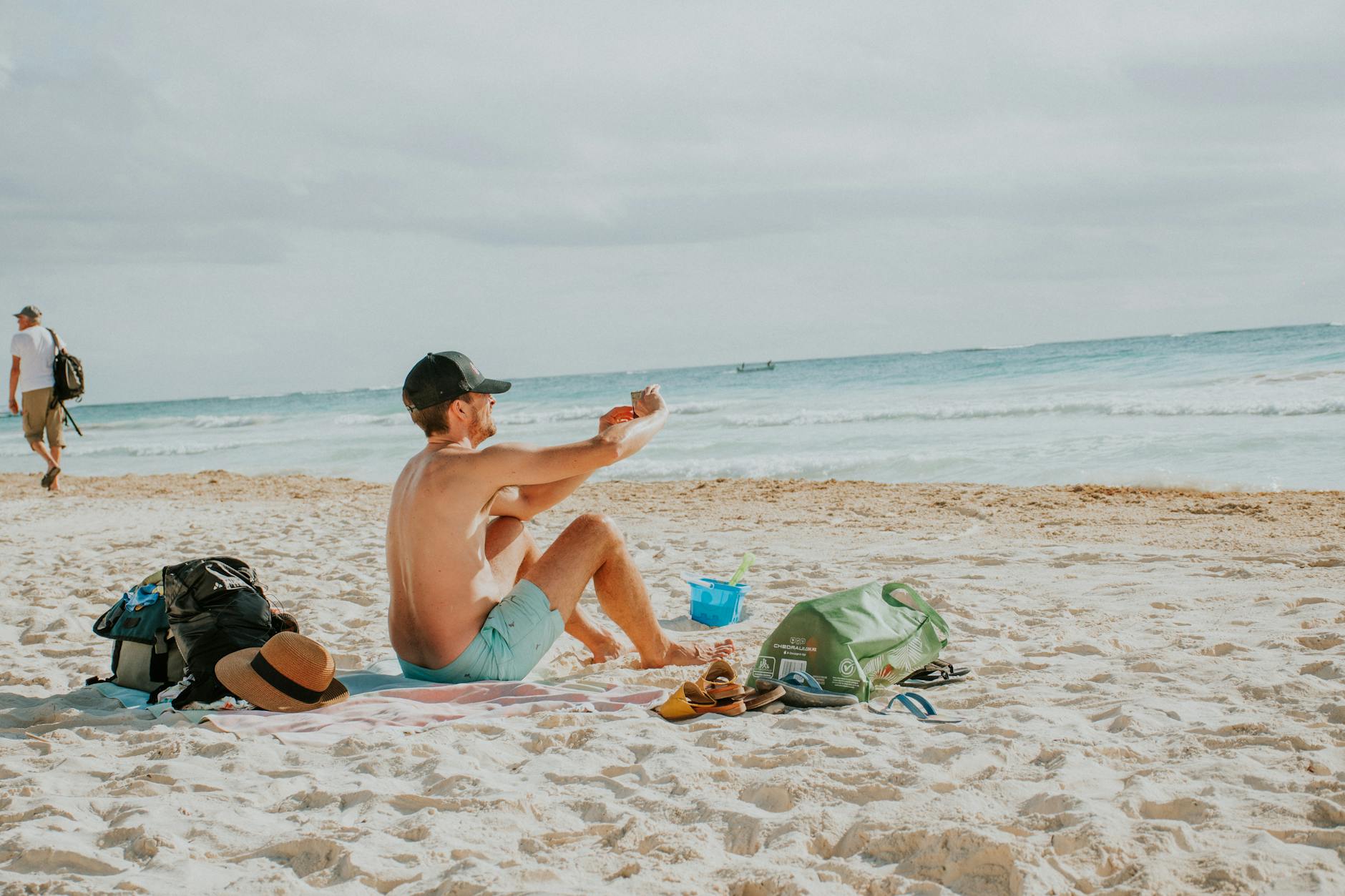
Florida sun is no joke — you can get a serious burn in under an hour, and water reflects UV so you’re getting double exposure. None of the parks hand out free sunscreen, and buying it inside is painful, so this is firmly a bring-from-home item.
- Use SPF 30 or higher, broad-spectrum, and reapply every two hours — and immediately after toweling off. Most people apply once in the morning and then wonder why they’re lobster-red by 2 p.m.
- Choose reef-safe / mineral sunscreen (zinc oxide or titanium dioxide). It’s better for the water systems, gentler on kids’ skin, and increasingly the type parks prefer.
- Be careful with spray sunscreens. Many people find aerosol sprays harder to apply evenly (you miss spots, hence patchy burns), they drift onto other guests and into the water, and some staff will ask you to step away from crowded areas or pools to apply them. Lotion or stick formulas are the safer bet — and far easier on a wiggly toddler.
- Let your clothing do the work. This is why I push rash guards so hard: a UPF 50+ swim shirt and a hat mean you only have to sunscreen the face, arms, and legs, which cuts your reapplication chore in half and is the most reliable protection for kids.
Securing Seating & Arriving Early
Free lounge chairs are first-come, first-served, and the shaded ones — the only ones you actually want in July — vanish fast. On a busy day, prime shaded seating can be entirely claimed before 10:30 a.m. There is simply more demand than supply.
The fix is the oldest trick in the theme-park book: rope drop. Arrive at opening, walk straight to a shaded chair cluster, and stake your claim. One adult sets up the home base with the dry bag and towels while the rest scout the nearest slide. You get your pick of shade and you ride the headliner slides before the lines build — water park crowds peak midday, so the first 90 minutes are golden.
If you can’t get there early and don’t want to gamble on a free chair, that’s exactly when a reserved cabana or premium seating pays for itself. But for most families, getting through the gate at opening solves the problem for free. Summer visitors should also read our Orlando theme parks in summer guide for heat-and-crowd timing strategy.
What to Wear (and the Slide Rule Nobody Mentions)
Here’s the rule that catches people off guard at the top of the slide stairs: most body slides and mat slides prohibit swimwear with metal — no zippers, rivets, snaps, buckles, or metal ornamentation, and often no pockets. The reason is simple: metal hardware scratches the slide surface (and you), and loose items in pockets become projectiles. A pair of board shorts with a metal-button fly or rivets can get you turned away from a slide you waited in line for.
So dress for the slides from the start:
- Men/boys: board shorts or swim trunks with no metal hardware and ideally a smooth, pocket-free or mesh-pocket design. A drawstring waist is fine.
- Women/girls: a secure one-piece or a snug tankini is the practical choice for slides and wave pools — bikinis have a habit of relocating in a wave pool or at a slide splash-down. A rash guard over any suit adds sun protection and security.
- Everyone: consider a UPF rash guard as your default top layer. It solves the sunscreen problem and is slide-friendly.
Tie back long hair, skip the loose jewelry, and put your phone in a secured pouch — not a pocket — before you ride.
Money-Saving Tricks
A water park day can be one of the cheapest days of an Orlando trip if you play it right:
- Eat a big breakfast before you go, and at Disney’s parks (or within Aquatica’s snack/small-cooler allowance) pack lunch. This alone can save a family $50-$70.
- Bring towels and sunscreen from home rather than renting/buying inside.
- Refill water at the free stations instead of buying bottled drinks all day — better for your wallet and for staying hydrated.
- Skip the locker if you can by using a dry bag and a buddy-watch system.
- Go on a weekday or shoulder-season day, when cabanas (if you want one) are cheaper and free chairs are easier to grab.
- Watch for resident, annual-pass, and multi-park ticket bundles — many Orlando water parks are far cheaper as an add-on than a standalone day. Our water parks guide covers which bundles save the most.
Your Day-of Game Plan (Minute by Minute)
- Night before: pack the bag — swimsuits on or packed, rash guards, water shoes, towels, dry bag, sunscreen, refillable bottles, phone pouch, and (for Disney/Aquatica) a packed cooler with frozen ice packs.
- Morning: apply the first coat of sunscreen at the hotel so it has time to set; eat a real breakfast.
- Arrive at park opening. Park, walk to the gate, and head straight to a shaded chair cluster away from the entrance.
- Set up base camp: one adult claims chairs and stashes the dry bag; grab free life vests for the kids right away.
- Hit the headliner slides first while lines are short, then settle into wave pools and lazy rivers as the crowd thickens.
- Reapply sunscreen every two hours, and after every long swim — set a phone timer.
- Eat lunch on your schedule from your cooler, or beat the noon rush by eating early if you’re buying inside.
- Take a midday break in the shade or back at base camp during the hottest, busiest stretch.
- Late afternoon is often the best time to ride — crowds thin as families with young kids leave.
- Change into dry clothes before the drive home so nobody rides back soaked.
Frequently Asked Questions
Can I bring my own cooler into an Orlando water park?
It depends on the park. Disney’s Typhoon Lagoon and Blizzard Beach allow coolers of reasonable size with outside food and non-alcoholic drinks — just no glass, no alcohol, and no loose ice (use reusable ice packs). SeaWorld’s Aquatica allows a small soft-sided cooler up to 16 quarts with individual-serving snacks. Universal’s Volcano Bay does not allow coolers, only small snacks and a refillable water bottle.
Are life vests free at Orlando water parks?
Yes. Volcano Bay, Aquatica, and Disney’s water parks all provide complimentary life vests in multiple sizes throughout the park. You don’t reserve them — just grab the right size. They’re strongly recommended for any child who isn’t a confident swimmer and are required for guests under 48 inches in wave pools and on many attractions at Volcano Bay and Aquatica.
Is a cabana worth it at an Orlando water park?
For large groups, families with little kids, or peak summer days when free chairs disappear by mid-morning, a cabana is often worth it — you get guaranteed shaded seating, towels, a stocked cooler/fridge, a locker, and food brought to you. Prices range from roughly $90 on slow days to $300-$500+ for premium cabanas in peak season. A small group arriving at rope drop on a quieter day can usually skip it and grab a free shaded chair.
What should I wear on water slides?
Wear swimwear with no metal — most body and mat slides prohibit zippers, rivets, snaps, buckles, and metal ornamentation, and many ban pockets that could hold loose items. Board shorts without metal hardware, a secure one-piece or tankini, and a UPF rash guard are the safest, slide-friendly choices. Tie back long hair and secure your phone in a pouch, not a pocket.
Do I need to rent a locker?
Not necessarily. Lockers are all-day access and cost roughly $10-$25 depending on size, which is handy for car keys, wallets, and phones. But many families skip the locker by keeping valuables in a dry bag at their chairs and using a buddy-watch system. If you do rent one, pick a locker bank away from the crowded main entrance.
What’s the best time to arrive at an Orlando water park?
Right at park opening. Shaded free lounge chairs are first-come, first-served and often gone before 10:30 a.m. on busy days, and slide lines are shortest in th