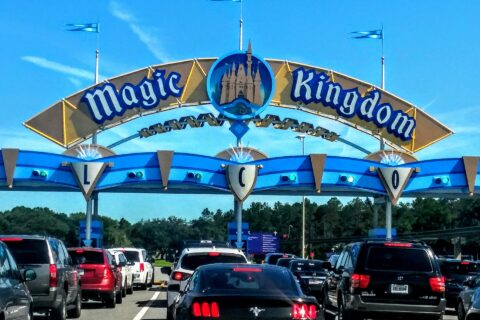
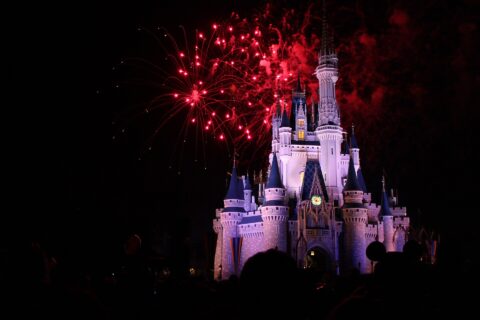
Every day in a Disney park has a shape, whether you plan it or not. The queues rise through the morning, peak in the early afternoon and fall away in the evening; the heat follows the same curve; and small children follow it too, only with louder consequences. Families who ignore that shape tend to arrive at ten, queue at the busiest rides at the busiest time, eat lunch at the same moment as everyone else, and leave at six, exhausted, having ridden less than they hoped. Families who plan around it ride twice as much and somehow look less tired. A Disney World touring plan is nothing more mysterious than deciding, in advance, how your day will fit that shape.
This guide gives you a method and a set of copy-and-adapt templates for each of the four parks. It is built around three blocks, a rope-drop morning, a managed middle of the day and an evening second wind, and it shows how to place dining, shows, Lightning Lane and rest around them. It is not a minute-by-minute timetable, because those break the moment a ride goes down or a child needs the toilet. For what the parks contain, see our park guides; for the free advantage of the first hour, see our Disney World rope drop guide. Show times and prices were checked in early October 2026 and change frequently, so always confirm them in the app’s Times Guide for your date.
The three-block day at a glance
| Block | Roughly when | What the queues do | What to do |
|---|---|---|---|
| Rope-drop block | Opening to about 11am | Lowest of the day, climbing steeply after the first hour | Ride the most popular rides you have not booked with Lightning Lane, back to back |
| Middle of the day | About 11am to 4pm | At their peak, along with the heat | Use Lightning Lane returns, shows, indoor rides and a long lunch, or go back to the hotel |
| Evening second wind | About 4pm to close | Falling, with a second low point in the last hour | Return refreshed, pick up rides you missed, finish with the night show |
Everything else in this guide is detail hung on that frame. If you remember nothing else, remember the shape: work hard early, ease off in the middle, and come back for the evening.
Why touring plans work, and why most go wrong
The reason a plan helps at all is that Disney queues are remarkably predictable. The same rides build long queues at the same times of day, every day, because the same pattern of arrivals repeats every day. If you know which rides fill up fastest, you can be at them before they do. If you know when the parade pulls crowds to Main Street, you can be somewhere else. None of this requires inside knowledge, just a willingness to think about the order of things before you are standing in the park.
The plans that go wrong usually fail in one of four ways:
- They are too detailed. A plan that says “10:42: Pirates of the Caribbean” breaks at 10:15 when a ride closes for ten minutes. Plans should be sequences and decision points, not timetables.
- They are too full. Nobody, least of all a five-year-old, can ride continuously from 8am to 10pm. A plan that ignores rest will be abandoned by early afternoon.
- They zigzag. Crossing the park repeatedly to chase short queues costs more time in walking than it saves in queuing.
- They put fixed points in the wrong place. A 10am character breakfast in the middle of the best riding hours, or a 12:30 dinner reservation on the far side of the park, quietly ruins the shape of the day.
The method below avoids all four. It ranks what matters, places the few fixed points carefully, and then fills each block with a short sequence that you can adapt as the day unfolds.
Step 1: Decide what actually matters
Before you look at any template, sit down with everyone in your group and make three lists for each park: must-dos, nice-to-haves and things you are happy to skip. Keep the must-do list short. Three to five per person per park is plenty; if every ride is a must-do, none of them are.
Then sort the must-dos by how their queues behave, because that determines when you do them:
- Morning rides are the popular rides whose queues build quickly and stay long: the newest headliners, the low-capacity family rides and anything on Lightning Lane Single Pass. Do them at rope drop or book them.
- Anytime rides have high capacity and fairly steady queues, often indoors. They fill the middle of the day well.
- Evening rides are those whose queues drop late, or which are better after dark.
- Shows and parades run to a schedule. They are fixed points to plan around, and many are excellent ways to spend the hottest part of the day sitting down.
Our park guides, starting with the Magic Kingdom guide, describe what each ride is like and who it suits. This guide is only about when.
Step 2: Place the fixed points
A few things in a Disney day happen at set times, and the rest of the plan has to fit around them. List them before you sequence anything else:
- Table-service dining, booked at 60 days. Lunch around 12:30 to 1:30pm works well as a midday break; avoid anything between 9 and 11:30am.
- Lightning Lane return times, booked seven or three days ahead. Aim for late morning onwards, not the first hour.
- Shows, parades and fireworks, with times from the app. These shift often, so check for your date.
- Character meet-and-greets with set times, if they matter to your children.
As a rule of thumb, everything fixed should sit in the middle block or the evening, leaving the rope-drop block clear. Our Disney World dining reservations guide explains how to get the right times, and the Lightning Lane guide covers return-time booking.
How long things really take
Plans fall apart most often because they underestimate everything that is not a ride. These are realistic allowances, including walking and waiting, for planning purposes. They are our working estimates rather than official figures, so adjust them for your family’s pace.
| Activity | Allow | Why |
|---|---|---|
| Getting from hotel to first ride | 45–90 minutes | Transport, security, turnstiles and the walk in; longest at Magic Kingdom if you drive |
| Walking between lands | 5–15 minutes | Longer with a pushchair, and longer still at peak times |
| Quick-service lunch with mobile order | 30–45 minutes | Finding a table is often the slowest part |
| Table-service meal | 75–90 minutes | Longer for character meals and signature restaurants |
| A stage show | 40–60 minutes | Arrive 15–20 minutes early for a seat; the show itself is often 25–30 minutes |
| A parade | 30–45 minutes | Including finding a spot; longer for a front-row kerb |
| Fireworks or night show | 45–60 minutes | Including claiming a spot and the slow exit afterwards |
| Toilet, snack and sun-cream stops | 20–30 minutes per block | With children, more |
Add those up for a typical day and you will see why the families who try to fit in twenty rides end up frustrated. The time is not lost; it is simply spent on the things that make a day pleasant. Plan for it, and the rides you do fit in will feel unhurried.
Step 3: Build the rope-drop block
The first two or three hours of the day do more work than the rest combined. Arrive well before opening, an hour before Early Entry if you have it, and go straight to the most popular ride you have not covered with a Lightning Lane. Then the next one. Then the next. Resist the urge to stop for photos, breakfast or shopping; the castle and the shops will still be there at 2pm, and the short queues will not.
Two refinements make the block work better. First, plan the sequence geographically, working outwards from the entrance in one direction rather than crossing the park. Second, schedule your first Lightning Lane return for around 10:30 or 11am, as the queues start to bite, so that the block flows straight into the middle of the day. Our rope drop guide goes park by park through the first hour, including which rides run during Early Entry.
Step 4: Plan the middle of the day
From about 11am to 4pm, the queues and the temperature peak together. This is where plans either save the day or lose it. You have two good options.
Option A: the hotel break
If your hotel is close to the park, leave around noon. Swim, nap, eat lunch somewhere quiet, and come back around 4 or 5pm. For families with children under eight, especially in summer, this is usually the single best decision of the day. It feels like a waste of an expensive ticket. It is the opposite: it buys you an evening with happy children, which is when the queues fall and the parks look their best.
Option B: the managed middle
If you are staying in the park, fill the middle block with things that are unaffected by peak queues or that let you sit down:
- Lightning Lane return times, booked for this window.
- Shows, which seat hundreds of people at a time and usually include air conditioning.
- High-capacity indoor rides whose queues stay manageable.
- A long, sit-down lunch, either a table-service booking or a quick-service meal ordered by mobile order. Order lunch in the morning, for a window around 11am or after 2pm, to avoid the worst of the crush. Our pick of the best quick-service restaurants at Disney World helps.
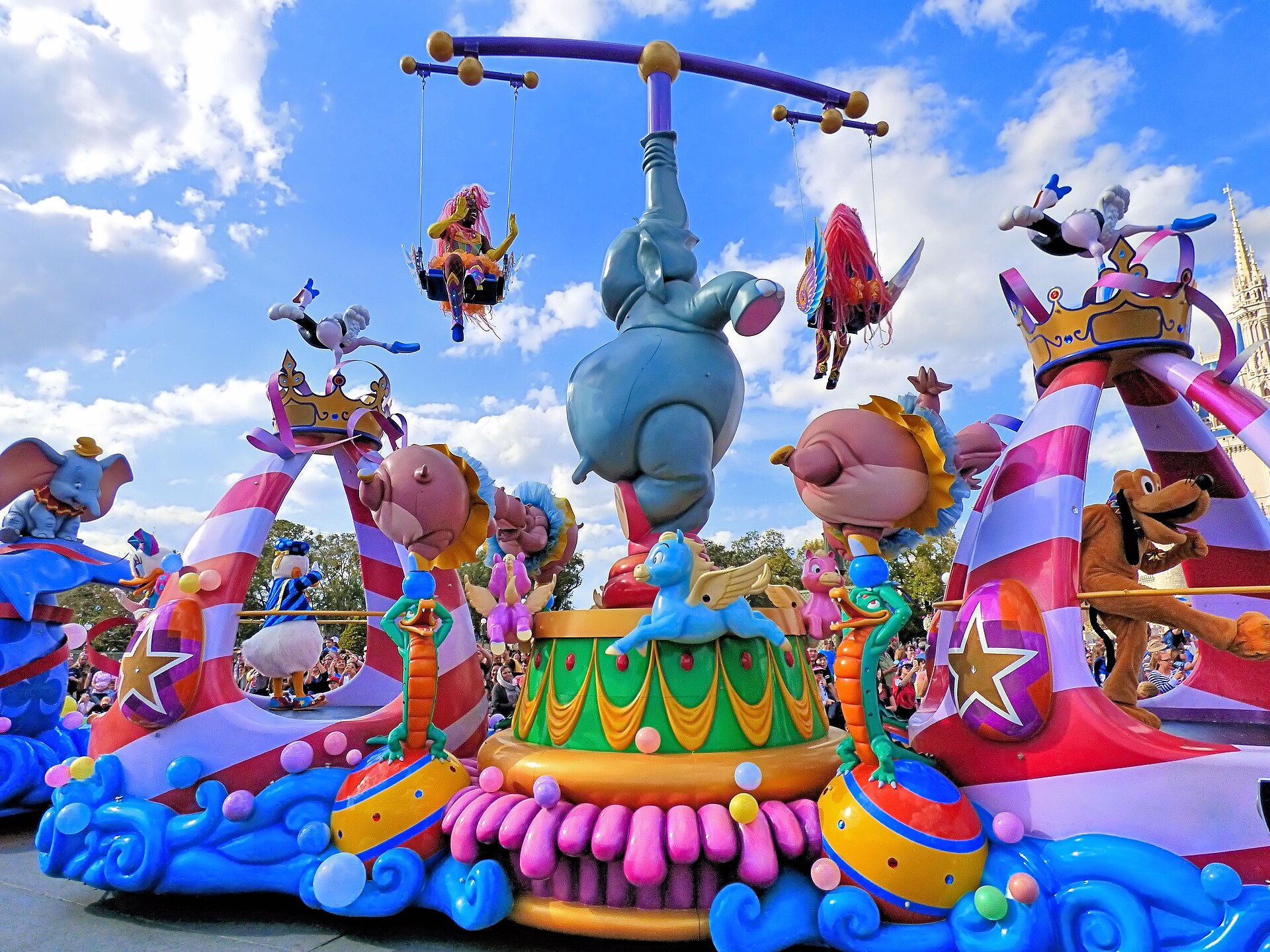
- Parades, which pull crowds to the parade route and can thin the queues elsewhere in the park while they run.
Step 5: The evening second wind
Come back around 4 or 5pm, or simply shift gears if you never left. Day-trippers and tired families start to drift away, the temperature drops and Lightning Lane return times often open up again. This is the time to pick up the rides you missed in the morning, to book another Lightning Lane, and to eat an early dinner before the night show.
The last hour before close is the second-best queuing window of the day, and anyone in a queue when the park closes still gets to ride. That makes the night show a decision point. If you have not seen it, watch it, because it is one of the best things Disney does. If you have, ride during it, when much of the park’s crowd is standing still, and finish with one last headliner just before closing time. Either way, avoid leaving at the exact moment the show ends, when every bus, boat and monorail is at its fullest.
Step 6: Layer in Lightning Lane
Lightning Lane Multi Pass fits into the three-block day neatly if you treat it as a tool for the middle and the evening rather than the morning. A few principles:
- Book late-morning returns first. Your first return time should start as rope drop runs out of steam.
- Stack as you go. Once you have used a return, book the next immediately, ideally while you are still walking off the ride.
- Modify for better times. Return times shuffle all day; keep checking and use Modify to improve them.
- Use Single Pass sparingly. Buy it for the one headliner you cannot rope drop, not for everything.
- Do not let Lightning Lane drive the route. If a return time would send you across the park and back, it may cost more time than it saves.
Families using the Disability Access Service can use the same structure, requesting DAS return times through the app in much the same way. Our accessibility guide explains how DAS works.
Touring without Lightning Lane
Plenty of families skip Lightning Lane altogether, and the three-block day still works; it just leans harder on its two ends. Treat the first two hours and the last hour as your riding windows, and accept that the middle of the day is for shows, meals and rest rather than headliners. Ride the most popular rides at rope drop, the next tier in the final hour before close, and use the posted waits in between to pick off anything that drops below your threshold. On quieter dates, particularly at Animal Kingdom and EPCOT, the difference is surprisingly small. On busy dates at Magic Kingdom and Hollywood Studios, it is larger, and that is where Multi Pass most often earns its price.
Copy-and-adapt templates for each park
These templates are deliberately loose. They name the rides that usually belong in each block, not a fixed order to the minute, and you should swap in your own must-dos. Ride names are for sequencing only; our park guides cover what each is like. Heights are given in inches with centimetres in brackets.
Magic Kingdom
| Block | Typical sequence | Notes |
|---|---|---|
| Early Entry (resort guests) | Seven Dwarfs Mine Train, 38 in (97 cm), or Peter Pan’s Flight; then Space Mountain, 44 in (112 cm) | Only Fantasyland and Tomorrowland run; TRON is not included |
| Official opening | Tiana’s Bayou Adventure, 40 in (102 cm); Jungle Cruise; Pirates of the Caribbean | Off-site guests should usually start here rather than in Fantasyland |
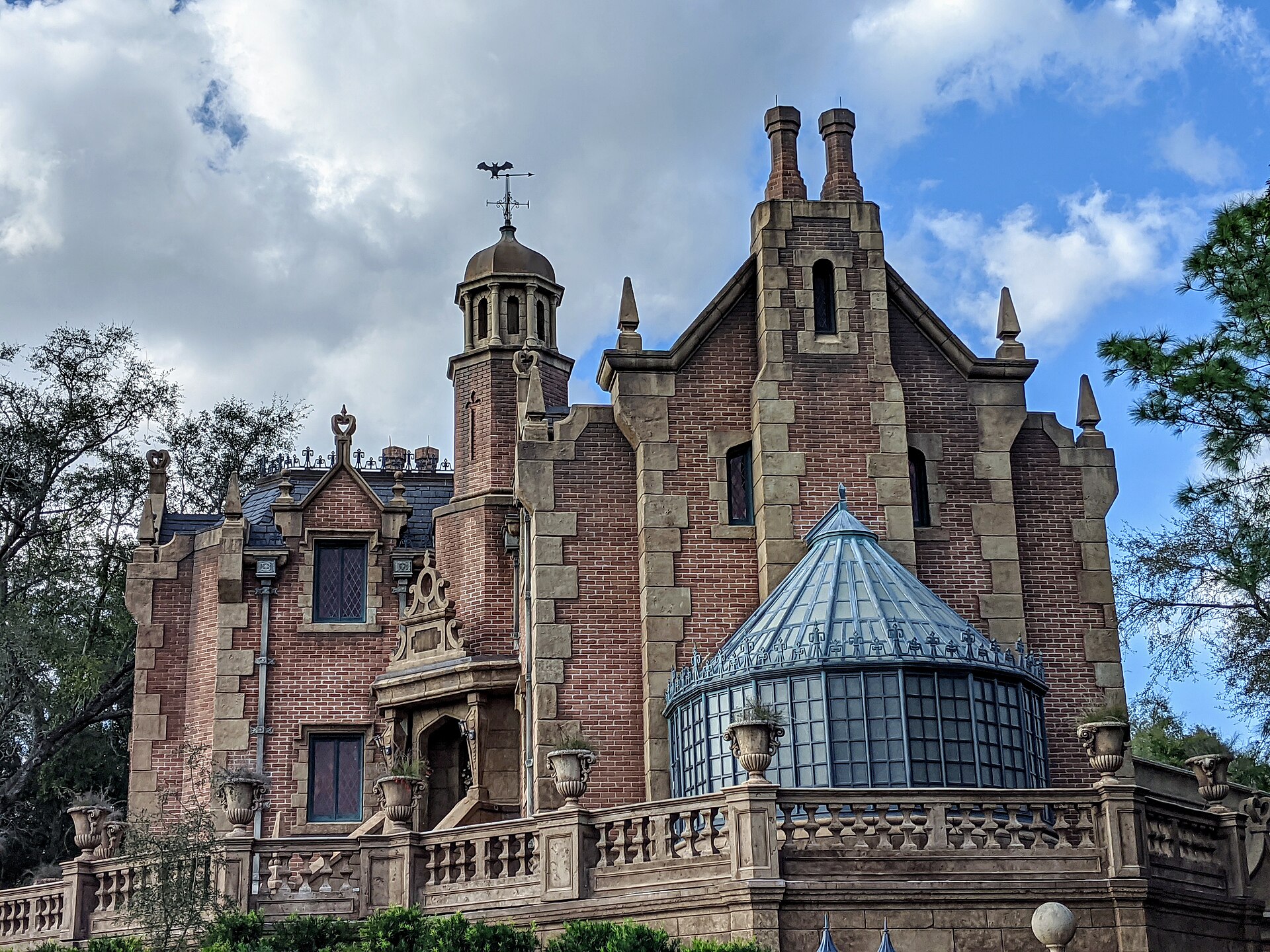
| Middle of the day | Lightning Lane returns; Haunted Mansion; Mickey’s PhilharMagic; Festival of Fantasy Parade (often 12pm and 3pm); lunch | Or go back to the hotel from noon |
| Evening | Rides missed in the morning; TRON, 48 in (122 cm), if you did not buy Single Pass; Disney Starlight parade; Happily Ever After | Ride during the fireworks if you have seen them; party nights close at 6pm for day guests |
EPCOT
| Block | Typical sequence | Notes |
|---|---|---|
| Rope drop | Remy’s Ratatouille Adventure (from the International Gateway) or Frozen Ever After (from the main entrance); then Test Track or Soarin’ | Check whether Guardians of the Galaxy: Cosmic Rewind is on Single Pass |
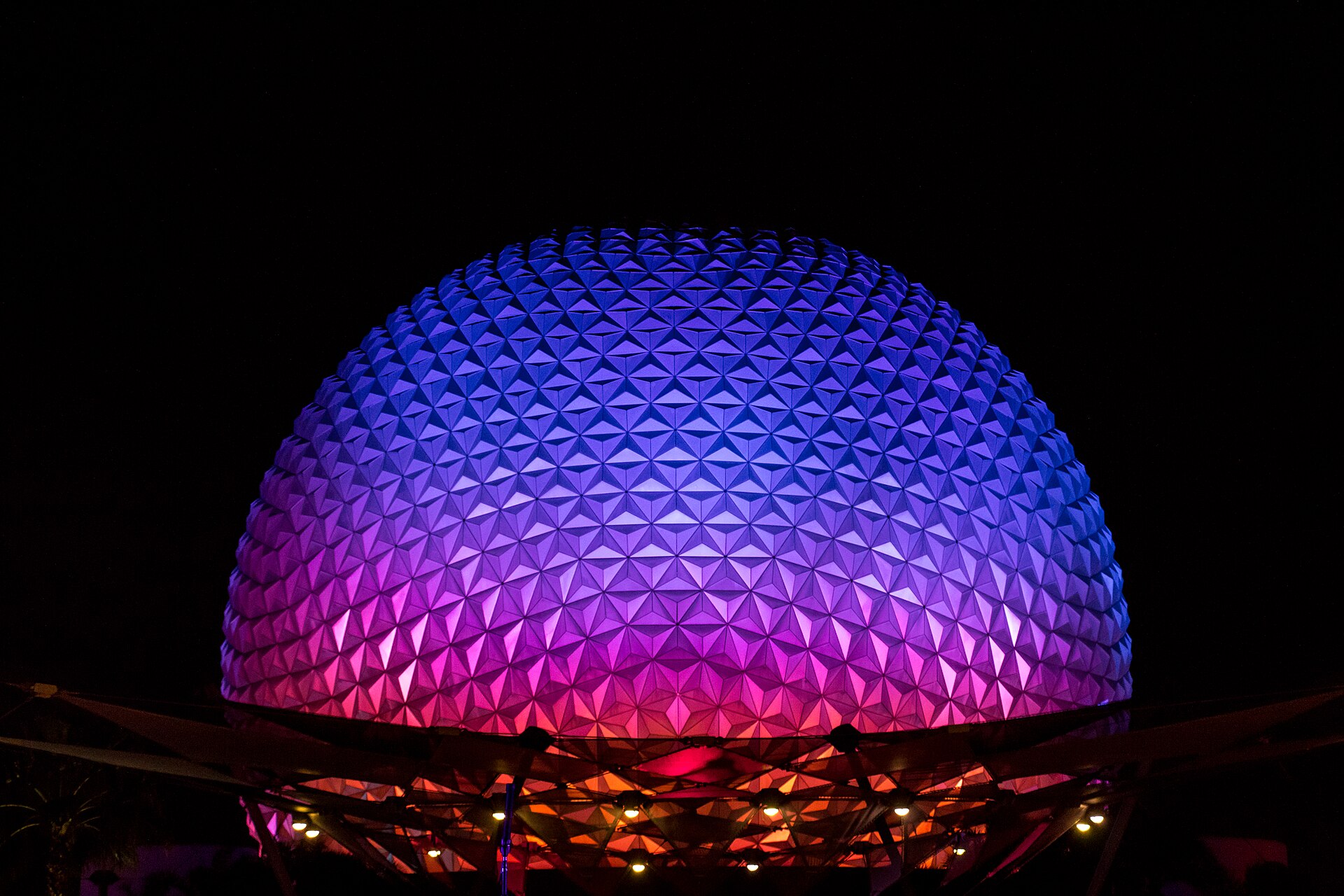
| Middle of the day | Lightning Lane returns; Spaceship Earth; The Seas; Living with the Land; World Showcase films and shows; lunch | A long lunch in World Showcase is one of the great midday breaks |
| Evening | World Showcase dining and festival food; rides missed earlier; Luminous The Symphony of Us, usually around 9pm | During the 2026 Festival of the Holidays EPCOT closes at 9pm, with Luminous at 9:15pm |
EPCOT is the best evening park at Walt Disney World, so it pairs well with a morning elsewhere if you have Park Hopper. During its four festivals, weekends and evenings fill with locals; a weekday visit keeps the evening pleasant. See our EPCOT guide.
Hollywood Studios
| Block | Typical sequence | Notes |
|---|---|---|
| Rope drop | Rock ‘n’ Roller Coaster Starring The Muppets or Slinky Dog Dash; then Star Wars: Rise of the Resistance if it is not on Single Pass for your date | The headliners are at opposite ends of the park; pick one to start |
| Middle of the day | Lightning Lane returns (Mickey & Minnie’s Runaway Railway, Tower of Terror, Toy Story Mania!); stage shows; lunch | This is the park where Multi Pass most often earns its price |
| Evening | Rides missed earlier; Fantasmic! (two shows, 8:00pm and 9:30pm; times change seasonally, so check My Disney Experience) | Arrive early for Fantasmic! seating; exits are slow afterwards |
Hollywood Studios fills up early every day, and its queues rarely ease until late. The evening second wind is weaker here than at Magic Kingdom, so the rope-drop block matters even more. See our Hollywood Studios guide.
Animal Kingdom
| Block | Typical sequence | Notes |
|---|---|---|
| Rope drop | Avatar Flight of Passage; Na’vi River Journey (now or never); Kilimanjaro Safaris; Expedition Everest | Animals are often more active in the cooler morning |
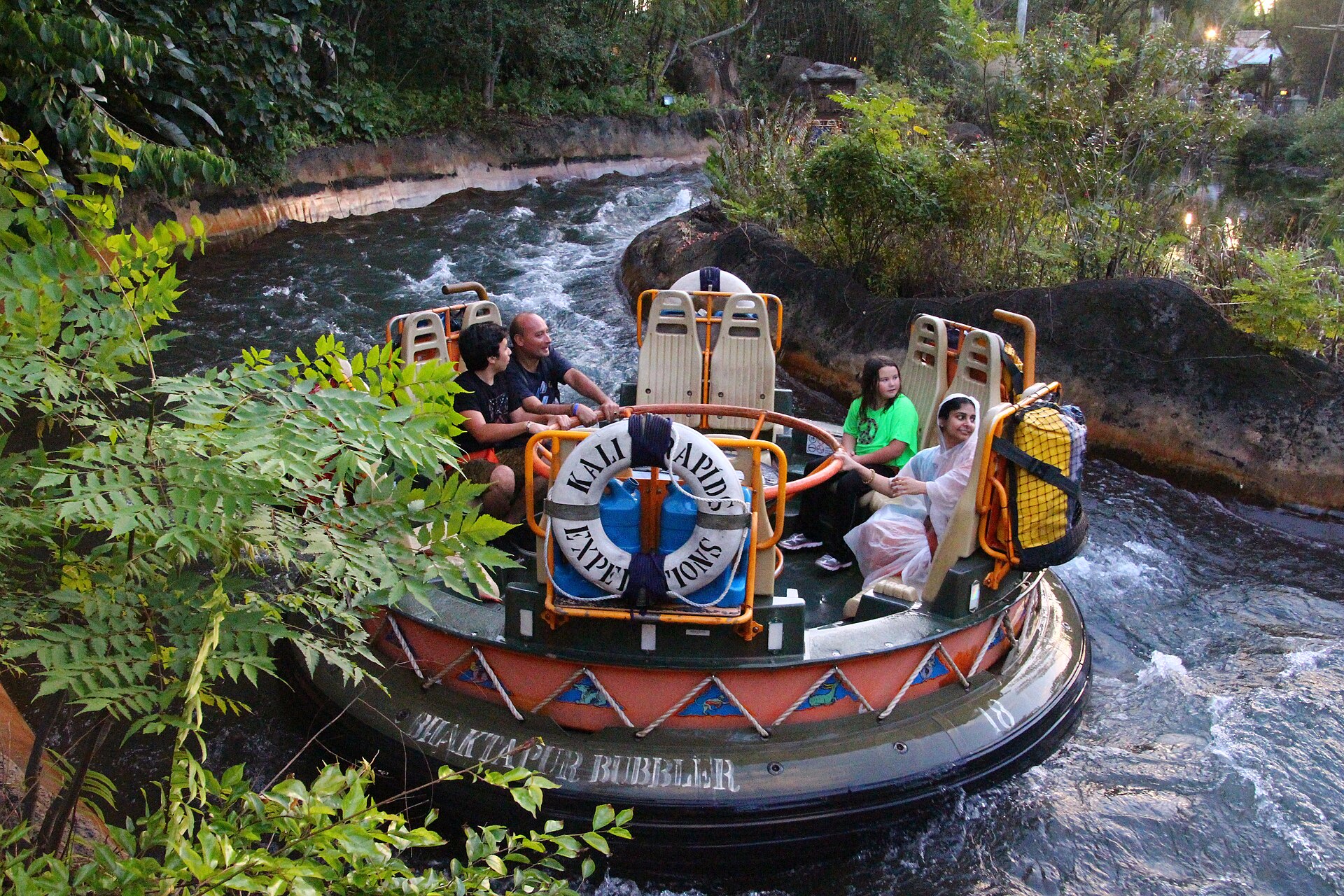
| Middle of the day | Lightning Lane returns; Festival of the Lion King; Finding Nemo: The Big Blue… and Beyond!; walking trails; Kali River Rapids on a hot afternoon | Shows are the best way to beat the heat here |
| Evening | The park often closes early; pick up anything missed, or hop to EPCOT | Check the closing time for your date |
Animal Kingdom is the shortest park day for most visitors, and it is often finished by mid-afternoon. That makes it a natural half-day, either before a rest or before an evening at EPCOT. See our Animal Kingdom guide.
Putting it together: a real Magic Kingdom day
Templates are easier to use once you have seen one turned into an actual day. Here is how the method plays out for a family of four, with children aged five and eight, staying at a Disney resort with Lightning Lane Multi Pass, on a day when Magic Kingdom opens at 9am and Early Entry starts at 8:30. The times are illustrative; the shape is what matters.
- The week before: at 7am seven days before check-in, they book Multi Pass for the day, choosing late-morning and late-afternoon return times so that nothing clashes with rope drop or the midday break.
- The night before: clothes laid out, breakfast bars in the bag, phones charging, and lunch decided.
- 7:30am: at the park entrance, having left the hotel at 7:10.
- 8:30am, Early Entry: Peter Pan’s Flight, then Seven Dwarfs Mine Train, which both children are tall enough for at 38 inches (97 cm).
- 9:00am, official opening: across to Frontierland for Tiana’s Bayou Adventure. The five-year-old is just under the 40-inch (102 cm) line, so the parents use rider switch: one rides with the eight-year-old, then the other rides without queuing again.
- 9:45am: Jungle Cruise and Pirates of the Caribbean in Adventureland, while those queues are still manageable.
- 10:15am: mobile order placed for an 11:15 lunch pickup.
- 10:45am: first Lightning Lane return, Haunted Mansion. As soon as they scan in, they book the next return in the app.
- 11:15am: lunch, collected from a pickup window rather than a queue.
- 12:00pm: back to the hotel. Swimming, a nap for the five-year-old, a cup of tea for everyone else.
- 4:30pm: back in the park. Two Lightning Lane returns in Tomorrowland and Fantasyland, then a character meet the children have been talking about all week.
- 6:30pm: dinner at a table-service restaurant booked at 60 days.
- 8:00pm onwards: a spot for Happily Ever After, found 30 minutes before the show, and one last ride in the final hour before close for the eight-year-old and one parent, while the other takes the five-year-old back to the hotel.
By the end of the day the family has done around a dozen rides and a character meet, eaten two proper meals, spent four hours away from the park, and seen the fireworks. Nobody queued for more than about half an hour at a time. None of it required a paid app or a timetable; it took the three blocks, a short list of must-dos and a few decisions made in advance.
Adapting the templates for your family
With toddlers and young children
Shorten everything. Rope drop until late morning, back to the hotel for a nap, and a gentler evening. Use rider switch so that one adult can ride while the other waits with a child who is too small, then swap without queuing again. Build character meets into the plan rather than squeezing them in, because they matter more to small children than most rides. See Disney World with toddlers and rider swap.
With teenagers and thrill-seekers
Lengthen the rope-drop block and point it at the coasters. Teens often enjoy the late evening most, so plan a later finish and fewer shows. Height is no longer a constraint once everyone is 48 inches (122 cm) tall; at that height a guest can ride every one of Walt Disney World’s 49 rides.
With adults and food lovers
Adults can usually manage longer days without a break, but a long lunch does the same job. EPCOT rewards an unhurried pace, and a festival day there is as much about the food booths as the rides. Our guide to Orlando for adults and couples has more ideas.
On rainy and very hot days
Summer afternoons in Orlando bring almost daily thunderstorms, and lightning closes outdoor rides until it passes. Plan outdoor rides for the morning, keep indoor rides and shows for the afternoon, and carry ponchos. On very hot days, the midday hotel break is not a luxury but a necessity. Our Orlando weather guide explains the patterns month by month.
Park Hopper days: a two-park template
If you have Park Hopper, the three-block day splits naturally between two parks: the morning block at one, a break, and the evening block at another. The trick is choosing pairs that are easy to travel between and that suit each half of the day.
| Morning park | Evening park | How to get between them | Why it works |
|---|---|---|---|
| Hollywood Studios | EPCOT | Skyliner | The easiest hop on property; Hollywood Studios is a morning park and EPCOT an evening one |
| Animal Kingdom | EPCOT | Bus or car | Animal Kingdom is done by mid-afternoon; EPCOT is at its best after dark |
| Magic Kingdom | EPCOT | Monorail, changing at the Transportation and Ticket Center | Works well for adults who want World Showcase dining after a Magic Kingdom morning |
| EPCOT | Magic Kingdom | Monorail | Only worth it for the fireworks; Magic Kingdom evenings are busy, and party nights close at 6pm for day guests |
Build in a proper break between the two parks, at the hotel if you can, rather than hopping straight across at 2pm. The evening block works best with fresh legs. Whether Park Hopper is worth buying at all is a separate question, and for many families with young children the answer is no; our Park Hopper guide does the sums.
Using wait-time data without becoming a slave to it
The My Disney Experience app shows posted wait times for every ride, and independent sites publish historical averages by ride, day and hour. Both are useful, and both can turn a holiday into a spreadsheet if you let them.
- Posted waits are estimates, and often a little higher than the actual wait, particularly late in the day.
- Compare rather than chase. Use the waits to choose between two nearby rides, not to justify a trek across the park for a ten-minute saving.
- Set a personal threshold. Decide in advance what wait you will accept for each must-do, and ride when it drops below that.
- Look up when queuing. The best moments of a Disney day are rarely spent looking at a phone.
When the plan breaks
It will. Rides break down, storms roll in, children melt down, and somebody leaves the sun cream on the bus. The point of a block-based plan is that it bends rather than snaps. Here is how to handle the usual problems:
- A ride you were heading for is down. Most breakdowns are short. Move to the next item in the same area and check back in half an hour, rather than crossing the park to something else.
- A thunderstorm arrives. Outdoor coasters close while there is lightning nearby, and summer storms are common in the afternoon. Head for indoor rides, shows or a long lunch. Florida storms are often over within the hour, and the parks are noticeably emptier and cooler afterwards.
- You are running late for a Lightning Lane return. Return windows are an hour long, so a short delay usually does not matter. If you are going to miss one completely, modify it to a later time in the app before it expires.
- A child has had enough. Stop. Find shade, a cold drink and a snack, sit down for twenty minutes, and accept that the next ride can wait. A rested child at 3pm is worth more than one more ride at 2.
- Someone gets separated. Agree a meeting point at the start of every day, and teach children to look for a cast member with a name tag if they are lost.
- The app will not load. Screenshot confirmation numbers in advance, keep a card ticket or band for each person, and ask a cast member; the park’s own systems keep working even when your phone does not.
The families who have the best days are not the ones whose plans never break. They are the ones who expected it to happen and knew what to do next.
A one-page plan you can copy
For each park day, a single page with five lines is enough:
- Arrival: the time you will leave the hotel, and how you will get there.
- Rope drop: your first three rides, in order.
- Fixed points: your Lightning Lane returns, dining times and any shows.
- Middle of the day: hotel break or managed middle, and where lunch is coming from.
- Evening: what you will do when you return, and whether you will watch the night show or ride during it.
That is the whole plan. Everything else is decided on the day, with the app in one hand and, ideally, an ice cream in the other.
Common touring plan mistakes
- Arriving at the official opening time. By then, the people who arrived early are on the rides you wanted.
- Booking Lightning Lane for 9am. You use a paid return during the hour when queues are shortest anyway.
- Eating at noon. Every counter is at its busiest. Eat at 11 or after 2.
- Staying all day with young children. The afternoon meltdown costs more time than the hotel break.
- Leaving with the crowd. The minutes after the fireworks are the worst time to queue for transport.
- Treating the plan as a contract. If something better appears, take it. The plan is there to help, not to win.
If your plan still leaves a headliner or two unridden, a paid late night is one way to add short queues without another full day. Our Disney After Hours guide compares the 2027 events at each park on price and cost per ride, alongside the free Extended Evening Hours that Deluxe resort guests get.
For a park-level version of this approach at a park where it matters, our hour-by-hour Hollywood Studios itinerary sets out three different rope drop plans, depending on whether you have Early Entry and whether you have bought the Rise of the Resistance Single Pass.
FAQ: Disney World touring plans
What is a Disney World touring plan?
It is a plan for the order in which you do things in a park, designed around the daily pattern of queues. Good plans are short sequences and decision points, not minute-by-minute timetables.
Do I need a paid touring plan app?
No. Paid apps suit people who enjoy optimising, but the three-block structure, a short must-do list and the free wait times in the My Disney Experience app are enough for a very good day.
How many rides can you do in a day at Disney World?
It varies hugely with crowds, but a family that rope drops and uses Lightning Lane Multi Pass well can often manage ten to fifteen rides and shows at Magic Kingdom on a moderate day. Arriving late and queuing at peak times can halve that.
When should we take a midday break?
Around noon to 4pm, when queues and heat peak together. Come back for the evening, when the queues fall and the parks look their best.
Should we watch the parade or ride during it?
If you have young children or have never seen it, watch it. If you have, the parade is a good time to ride elsewhere, because it draws crowds to the route.
When is the best time to watch the fireworks?
On a night when you are not planning to ride straight afterwards, and from a spot that lets you leave easily. If you have already seen the show, ride during it instead.
How do I plan around Lightning Lane?
Book your first return for late morning, after rope drop, then book the next one as soon as you use each return. Use Single Pass only for the headliner you cannot rope drop.
Related Orlando Guides
- Disney World Planning Guide: what to book and when.
- Disney World Rope Drop: the first hour, park by park.
- Which Disney Park on Which Day?: the order of your week.
- Disney World Lightning Lane Guide: Multi Pass, Single Pass and Premier Pass.
- Disney World Itinerary: day-by-day plans by trip length.
- My Disney Experience App Guide: the app that runs your day.
- Best Disney World Rides for Kids: must-dos for younger visitors.
- Orlando Theme Park Maps: getting your bearings in each park.
Photo Credits
A Festival of Fantasy Parade float at Magic Kingdom: Disney’s Festival of Fantasy Parade Finale (16136788984) by Jennifer Lynn, CC BY 2.0, via Wikimedia Commons.
Kali River Rapids at Disney’s Animal Kingdom: Disney-Animal-Kingdom-Kali-River-Ride-8319 by Loadmaster (David R. Tribble), CC BY-SA 3.0, via Wikimedia Commons.
Remaining photography from the Theme Parks Guide library.