SeaWorld Orlando: The Park That Surprises People the Most
Of all the parks I send visitors to in Orlando, SeaWorld is the one that comes back with the biggest grins and the most “I had no idea” reactions. People walk in expecting a marine park with a few shows and walk out having ridden seven of the best roller coasters in the state, watched a beluga whale glide past at eye level, and stood close enough to a manta ray to count the ripples on its skin. It is, quietly, one of the most complete theme park experiences in the city, and it gets unfairly overlooked because the giant Mouse and the Wizarding World down the road suck up all the oxygen.
I have spent years touring Orlando’s parks, and SeaWorld occupies a specific spot in my recommendations: it is the park I send coaster lovers, the park I send animal-obsessed kids, and the park I send anyone who wants a genuinely great day without the Disney crowds or the Disney prices. Mako is the one I send every coaster fanatic to first — that first 200-foot drop genuinely takes your breath, and then the ride keeps giving for another two minutes of pure airtime. But there is so much more here than the steel.
This is my complete, honest, current-for-2026 guide to SeaWorld Orlando: the rides, the animals, the shows, the food, the tickets, the touring strategy, and yes, the orca question, which I am going to address head-on rather than tiptoe around. If you are still deciding which parks make your itinerary, my broader Orlando theme parks guide and the side-by-side Orlando theme parks comparison will help you slot SeaWorld into the bigger picture. For now, let’s dive in.
SeaWorld Orlando at a Glance
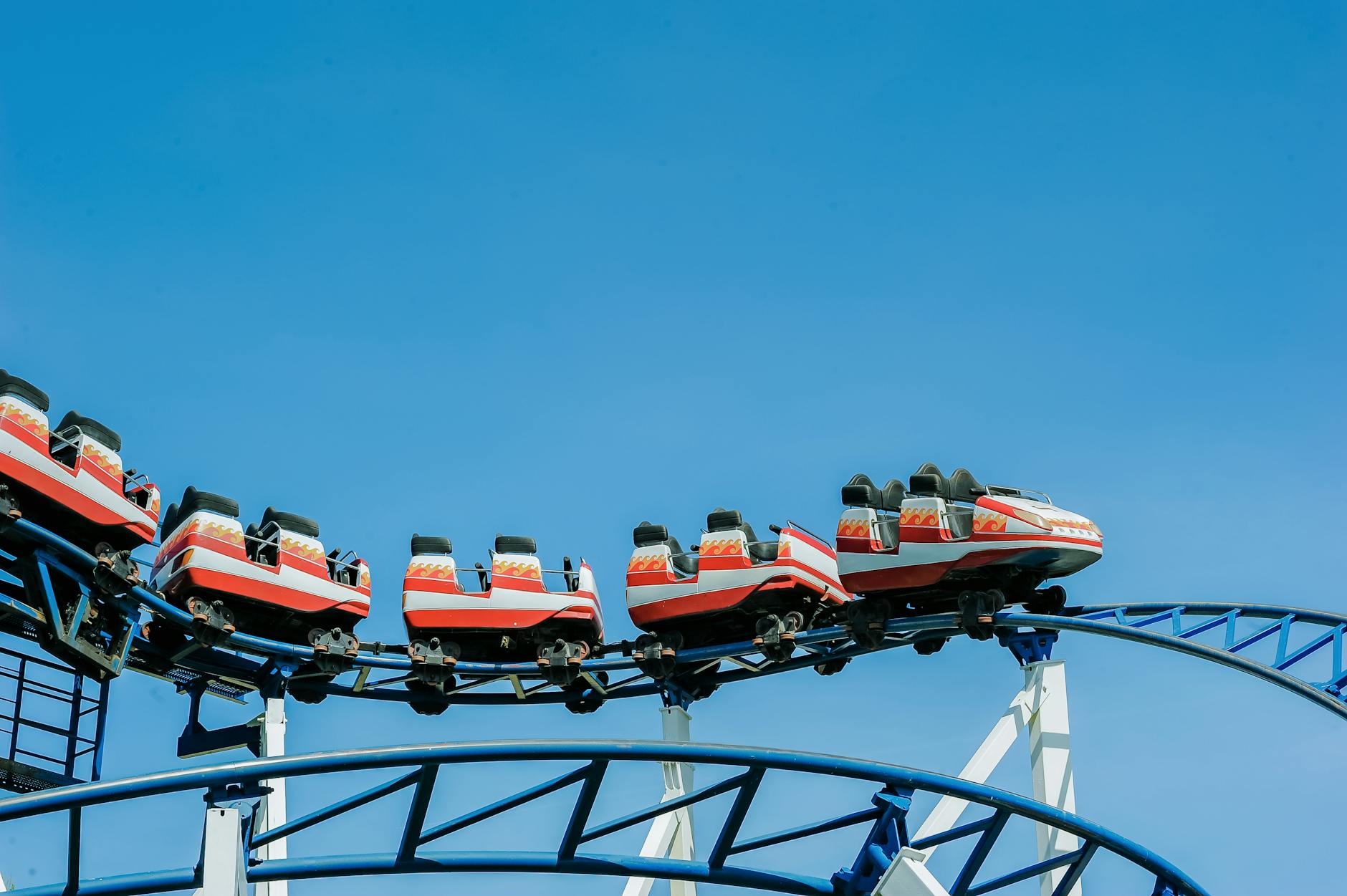
SeaWorld Orlando sits just off Interstate 4 and the southern end of International Drive, roughly fifteen minutes from both the Disney and Universal resort areas. It opened in 1973 and has steadily transformed from a pure marine-life attraction into a hybrid that blends world-class animal habitats with one of the most aggressive roller coaster lineups in the United States. The park brands itself, fairly accurately, as the “Coaster Capital of Orlando” — it has the most roller coasters of any single Orlando park.
The park is part of the United Parks & Resorts family, which also runs neighboring Aquatica (a water park) and Discovery Cove (an all-inclusive reservation-only swim-with-dolphins experience). That family relationship matters when it comes to tickets and passes, because the bundles can save you a lot of money if you plan to visit more than one. You can dig into the full breakdown on my SeaWorld ticket prices page, but I’ll cover the essentials here too.
A realistic visit is a full day. If you are only after the coasters, you could clear them in a focused half-day, but you would be missing the entire point of SeaWorld — the animals, the shows, and the slower, more immersive habitats that genuinely set this park apart from anything else in town. Plan for open to close.
SeaWorld Orlando Rides: The Coaster Capital, Earned
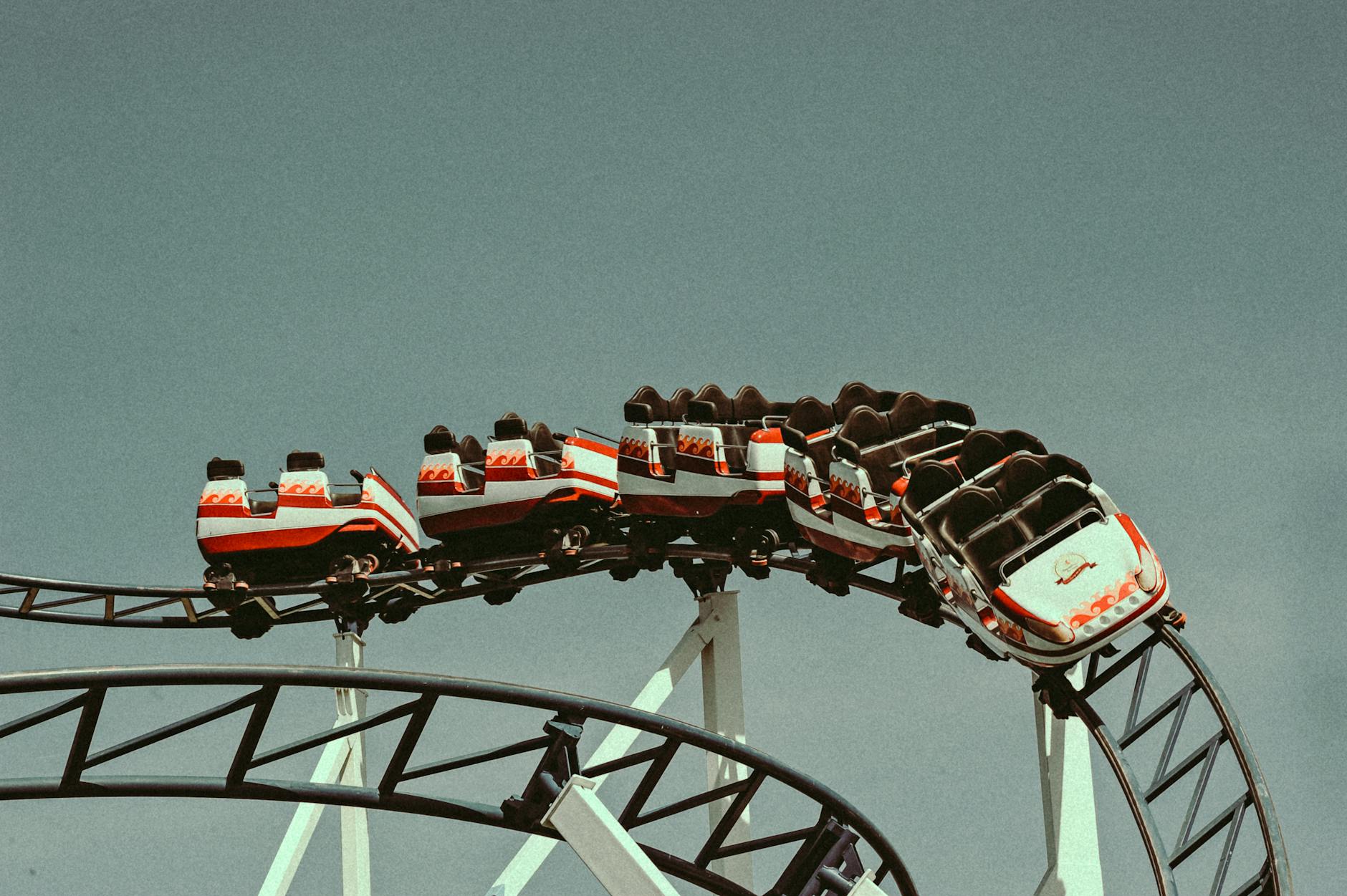
Let’s start where most thrill-seekers want to start. SeaWorld’s coaster collection is not a token effort tacked onto an aquarium — it is a serious, varied lineup that holds its own against any park in Florida, and it covers nearly every coaster type a fan could want. Here is the rundown of the heavy hitters.
Mako — The Headliner
Mako is Orlando’s tallest and fastest roller coaster, a hypercoaster built around the concept of relentless airtime. It climbs to about 200 feet, hits roughly 73 miles per hour, and runs for nearly a mile of track. What makes Mako special is not a single inversion or a gimmick — it is the sustained sensation of floating out of your seat over hill after hill, themed to the speed and hunting style of its namesake shark. If you ride only one coaster at SeaWorld, ride this one, and try to get it early before the queue builds. Minimum height is 54 inches.
Kraken — The Floorless Monster
Kraken is Orlando’s only floorless coaster, meaning your feet dangle over open track with nothing beneath them. Themed to the legendary sea monster, it sends you through seven inversions including a massive vertical loop and a cobra roll. It is smooth, fast, and genuinely intense — the kind of ride that reorders your sense of which way is up. Minimum height is 54 inches.
Manta — The Flying Coaster
Manta is one of my favorites to recommend to people who think they’ve ridden everything. You board in a seated position, then the train tilts you face-down into a flying posture so you soar belly-first like a giant ray, skimming so close to a water feature that it kicks up spray. The pre-ride queue doubles as an aquarium with real rays and fish, which is a lovely touch. It is unique in Florida. Minimum height is 54 inches.
Ice Breaker — The Launch Coaster
Ice Breaker is a launch coaster with four airtime-filled launches, both forward and backward, building momentum before flinging you up the steepest beyond-vertical drop in Florida. It is shorter and punchier than the big three, and a great “second tier” thrill for people who want intensity without the full hypercoaster commitment. Minimum height is 48 inches, which makes it accessible to slightly younger riders.
Pipeline: The Surf Coaster — The World’s First
Pipeline: The Surf Coaster is the genuine innovation of the bunch — the world’s first surf coaster. Instead of sitting, you stand on a surf-style platform with restraints, and the seats actually pump and move beneath you to mimic the feeling of riding a wave as you race along the track. It is a strange and delightful sensation, unlike any other coaster I’ve ridden, reaching about 60 miles per hour from a 110-foot peak. Minimum height is 54 inches.
Penguin Trek — The Family Launch Coaster
Penguin Trek, which opened in 2024, is the park’s newest coaster and a brilliant piece of family thrill design. You board a snowmobile-style vehicle for a launched dash through icy Antarctic caverns, hitting around 43 miles per hour, and the journey ends inside a real penguin habitat where you can watch the birds up close. It threads the needle perfectly — exciting enough for adults, gentle enough for kids who clear the 42-inch minimum (riders between 42 and 48 inches need a supervising companion).
Journey to Atlantis — The Water Ride
Journey to Atlantis rounds things out as a hybrid water-coaster dark ride, sending you through the sunken city before a soaking plunge. At a 42-inch minimum, it is one of the more accessible thrills, and a welcome cooldown on a hot Florida day.
Roller Coaster Comparison
| Coaster | Type | Min. Height | Thrill Level |
|---|---|---|---|
| Mako | Hypercoaster (airtime) | 54″ | Max |
| Kraken | Floorless (7 inversions) | 54″ | Max |
| Manta | Flying coaster | 54″ | High |
| Pipeline: The Surf Coaster | Standing surf coaster | 54″ | High |
| Ice Breaker | Launch coaster | 48″ | Moderate–High |
| Penguin Trek | Family launch coaster | 42″ | Moderate (family) |
| Journey to Atlantis | Water coaster / dark ride | 42″ | Moderate (wet) |
The Animals: What Actually Makes SeaWorld SeaWorld
Strip away the coasters and SeaWorld is still one of the most impressive animal experiences in the country. This is the half of the park people forget to budget time for, and then end up loving the most. The habitats here are large, immersive, and genuinely educational, and the conservation work behind them is real — more on that in the “is it worth it” section.
Orca Encounter
The orcas are still the most famous animals at SeaWorld, but the experience has changed fundamentally over the past decade. The old theatrical “Shamu” shows with music cues and trainers riding the whales are gone. In their place is Orca Encounter, an educational presentation framed as a documentary-style look at orca behavior — how they hunt, communicate, and navigate in the wild. It is calmer, more informational, and clearly designed to teach rather than entertain in the old sense. Some longtime fans miss the spectacle; many parents tell me they appreciate the new framing. Either way, watching these animals at this proximity remains genuinely awe-inspiring.
Dolphins, Sea Lions, and Otters
Dolphin Adventures (the evolution of the park’s longtime dolphin programming) showcases the athleticism and intelligence of bottlenose dolphins through behavioral demonstrations. The Sea Lion & Otter show is the park’s comedy outlet — a genuinely funny, lightly scripted production that families with young kids adore. These shows run multiple times daily, so check the app for the schedule and build them into your route rather than chasing them.
Antarctica, Penguins, and the Arctic
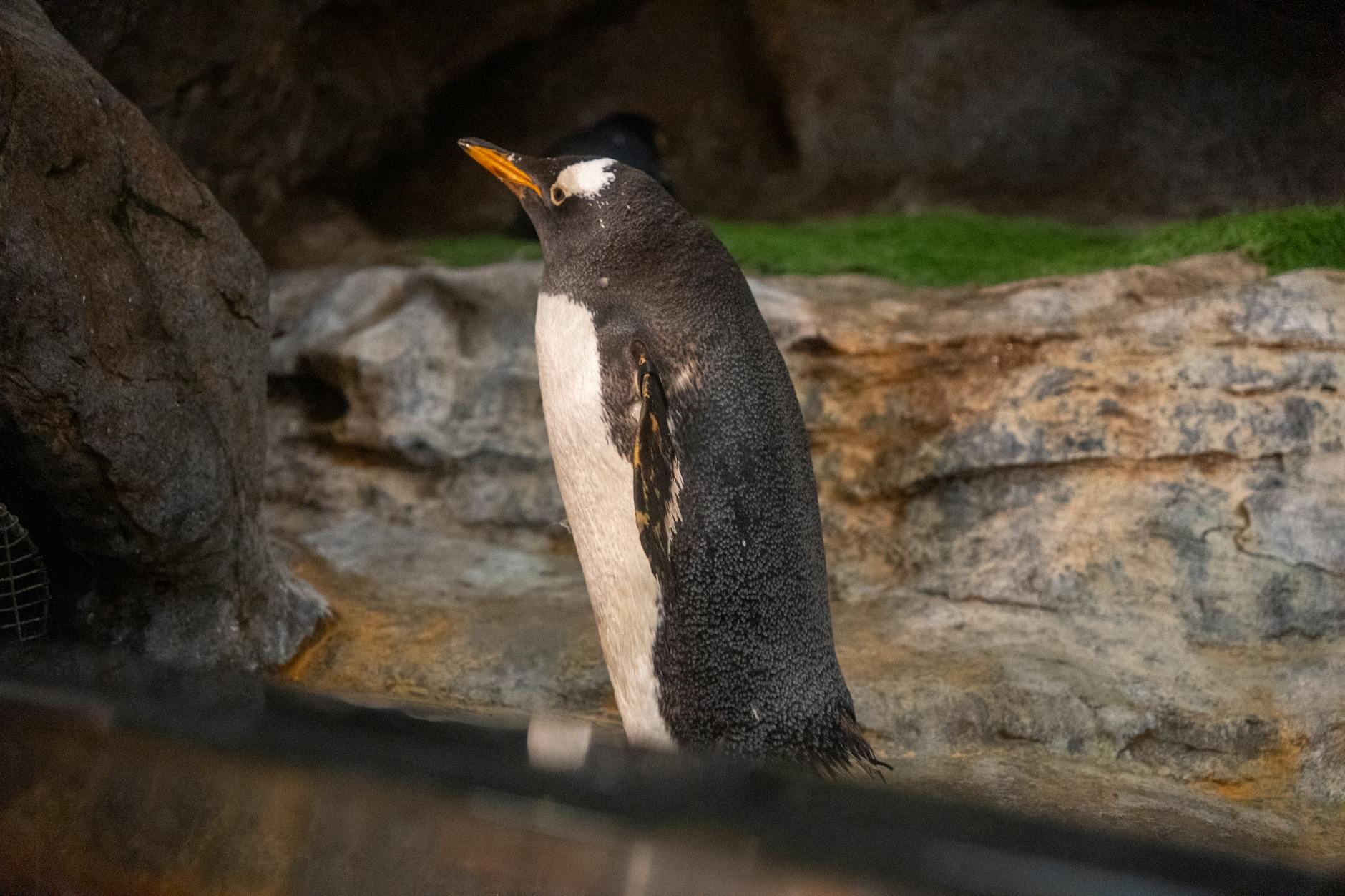
Antarctica: Empire of the Penguin pairs a family-friendly motion ride with one of the coldest, most immersive penguin habitats you’ll ever walk through — hundreds of birds behind glass at close range. Combined with the new Penguin Trek coaster next door, SeaWorld now has a serious penguin double-feature. Over in Wild Arctic, you’ll find beluga whales and walruses in chilled habitats that you can view from a simulated polar research base.
Expedition Odyssey: Fire & Ice (New for 2026)
The park’s biggest recent addition is Expedition Odyssey: Fire & Ice, an indoor flying-theater attraction that fully reopened in late May 2026 with an expanded “Fire & Ice” storyline. You’re seated in a suspended motion theater and “fly” over Arctic landscapes — soaring above glaciers, plunging past icebergs — before the ride transitions you directly into a real-world habitat with live beluga whales and walruses. It is a clever blend of simulator thrill and genuine animal encounter, and at a 39-inch height minimum it is one of the more family-accessible experiences in the park.
Sharks, Rays, and the Rescue Mission
Shark Encounter walks you through an acrylic tunnel surrounded by sharks and other predators — a slow, atmospheric exhibit that always stops kids in their tracks. Manta’s queue aquarium and the various ray pools let you get close to these animals, and Pacific Point Preserve is the open-air sea lion and seal habitat where you can buy fish to feed them. Throughout the park you’ll also see manatees and sea turtles, many of which are rehabilitation residents tied to SeaWorld’s rescue program. The park’s rescue team has responded to tens of thousands of animals over the years — stranded manatees, cold-stunned turtles, oiled birds — and that ongoing mission is woven into nearly every exhibit’s signage.
If you want to go deeper than the standard walk-through habitats, SeaWorld sells a menu of animal experiences and tours as paid add-ons. These range from a guided behind-the-scenes look at the rescue and rehabilitation areas to up-close programs with penguins, beluga whales, and dolphins, plus the all-day Ultimate VIP Tour that hands you a guide, reserved show seating, and front-of-line access. They aren’t cheap, but for an animal-obsessed kid (or adult), a single hands-on encounter often becomes the most memorable part of the entire trip. Book these in advance, because the small-group experiences sell out — especially during festival weekends and school breaks.

Sesame Street Land: SeaWorld for the Littlest Visitors
Sesame Street Land is SeaWorld’s dedicated children’s area, and it is genuinely well done — a colorful, walkable recreation of 123 Sesame Street with character meet-and-greets, a daily parade, splash play, and a cluster of family rides. The standout for little ones is Super Grover’s Box Car Derby, a kid-sized coaster with just a 38-inch minimum, alongside spinners, a flying-fish ride, and other gentle attractions sized for preschoolers.
If you’re traveling with young children, this area can easily anchor a few hours, and it pairs beautifully with the animal habitats for a day that keeps kids engaged without ever needing the big coasters. I cover this in more depth in my guide to Orlando theme parks with kids, which is worth a read if you’re planning a family trip across multiple parks.
Shows and Seasonal Events
SeaWorld leans heavily on seasonal festivals, and timing your visit to one of them can dramatically change the experience — often for the better, and usually at no extra cost beyond regular admission. Here’s the 2026 lineup.
- Seven Seas Food Festival (roughly late January through mid-May): the park’s flagship festival, with dozens of international food and drink booths scattered around the lagoon and free weekend concerts at Bayside Stadium. This is, in my opinion, the single best reason to visit in the first half of the year — the food quality is excellent and the concert lineups are surprisingly big-name.
- Electric Ocean (select dates late May through early September): SeaWorld’s summer-nights event, included with admission. After dark the park lights up with bioluminescent-themed effects, a drone show, and the Ignite fireworks-and-fountains spectacular over the lagoon. Stay late on a summer visit and you get a whole second show.
- Howl-O-Scream (select dates September through October): this is the park’s separately ticketed, after-dark Halloween event aimed squarely at adults and teens — haunted houses, scare zones, and roaming “scareactors.” It is a hard ticket on top of (or instead of) regular admission, so plan accordingly. If you’re building an adults-only Orlando itinerary, my Orlando for adults and couples guide pairs well with this one.
- Christmas Celebration (early November through early January): the park transforms into a holiday wonderland with light displays, a sea of Christmas trees, special shows, and seasonal food. It is included with admission and is one of the more underrated holiday experiences in Orlando.
Dining at SeaWorld
SeaWorld’s food scene punches above its reputation. The signature sit-down restaurant is Sharks Underwater Grill, where you dine alongside a floor-to-ceiling shark habitat — reservations strongly recommended, and the seafood is legitimately good, not just a gimmick. Beyond that, the park has a solid spread of quick-service counters, and during festival season the food-booth offerings rival a dedicated food festival.
The money-saving move for families is the All-Day Dining Deal, an add-on (around $40) that lets each guest grab an entrée plus a side or dessert and a non-alcoholic drink once every 90 minutes at participating restaurants. If your group eats two full meals and a snack at the park, it pays for itself. There are also reserved-dining packages tied to shows and events. For broader strategies on keeping food costs down across Orlando, see my guide to Orlando theme parks on a budget.
A couple of practical food notes that save money and hassle. First, if you’re an annual passholder, your food discount (10 to 15 percent depending on tier) stacks meaningfully across a day of snacking. Second, the festival booths during Seven Seas and the holiday season are sold as small “tasting” portions, so a lap or two around the lagoon can substitute for a full meal — and grazing this way is genuinely the most fun way to eat at the park. Finally, a refillable souvenir cup pays off fast if you’re a heavy soda or coffee drinker on a hot day; do the math on how many drinks you’ll realistically buy before committing.
Tickets, Passes, and Skipping the Line
Here is the most important piece of money advice I can give you about SeaWorld: never buy at the gate. Walk-up single-day prices run north of $100, but the online date-based pricing routinely drops to around $80 or lower, and the park runs frequent flash sales (Memorial Day, holiday weekends, and the like) that go even lower. Buying online in advance is the single biggest lever you have.
Ticket Options at a Glance
| Option | Roughly What You Pay | Best For |
|---|---|---|
| Single-day ticket (online) | ~$80+ (vs $100+ gate) | One focused visit |
| 2-park bundle (with Aquatica) | Modest add-on over single day | Pairing the park with the water park |
| Multi-park / Busch Gardens bundle | Bundled discount | Combining with Tampa’s Busch Gardens |
| Fun Card | Around a single-day price | Unlimited daytime visits through the year |
| Annual Pass (Bronze to Platinum) | Platinum ~$205/yr or monthly | Repeat visitors and locals |
The Annual Pass tiers (Bronze, Silver, Gold, Platinum) are where the real value hides if you’re visiting more than two or three times, or if you’re a Florida local. The mid-and-upper tiers add free parking, food and merchandise discounts, guest tickets, and Quick Queue discounts. Silver and above include free general parking, and Gold steps that up to free preferred parking — a meaningful perk given parking otherwise costs $35 and up per day. The park also frequently bundles a free Aquatica pass into lower tiers and runs the popular Fun Card, which gives unlimited daytime visits for roughly the price of a single day.
Quick Queue (Skip the Line)
Quick Queue is SeaWorld’s paid line-skip system, priced anywhere from about $25 to $50-plus per person depending on the date and demand. There’s a one-time-per-ride version and an unlimited version; note that the newest attractions (Penguin Trek and Expedition Odyssey) typically get a single priority entry rather than unlimited. On a moderate-crowd day you may not need it at all, but on a peak summer or holiday day, Quick Queue is the difference between riding everything and missing half the coasters.
How I’d Spend a Full Day at SeaWorld
SeaWorld rewards a loose plan more than a rigid one, because the shows run on a schedule and the rides do not. Here’s the rhythm I recommend.
- Arrive at opening. Head straight for Mako, then Kraken and Manta while the queues are short. Knocking out the big three in the first 90 minutes is the smartest move you can make.
- Mid-morning, work through Pipeline, Ice Breaker, and Journey to Atlantis (save the wet ride for when it’s warmer).
- Check the show schedule in the app the moment you arrive and slot Orca Encounter, Dolphin Adventures, and the Sea Lion & Otter show around your ride plan. The shows are the spine of the day — build the rest around their times.
- Afternoon, slow down for the animals: Antarctica, Wild Arctic, Shark Encounter, the manatee and turtle habitats, and Pacific Point. This is the immersive, lower-energy half of the park and a welcome break from coaster G-forces.
- If you’re visiting in summer, stay for Electric Ocean and the Ignite nighttime show. During the food festivals, graze the booths instead of a sit-down lunch.
- Families: anchor part of your day in Sesame Street Land and Penguin Trek, and let the gentle rides and character meets pace the little ones.
Best Time to Visit and Practical Tips
The lowest-crowd windows in 2026 are January through mid-February (outside holiday weekends) and the late-April to early-May gap between spring break and the summer rush. These periods conveniently overlap with the Seven Seas Food Festival, which is the best of both worlds. Summer brings heat, crowds, and afternoon thunderstorms, but also Electric Ocean nights — a fair trade if you can handle the warmth.
A few practical notes: the park is cashless, so bring a card or phone. Download the official app for live show times, wait times, and the map. Wear sunscreen and bring a poncho if you plan to ride the wet attractions. SeaWorld is one of the more accessible parks in town, with a guest-assistance program, accessible queues, and ride-transfer details published on its site — worth reviewing in advance if anyone in your group has mobility needs. If you’re driving from elsewhere on I-Drive or the resort areas, my Orlando transportation guide covers the routes and parking logistics.
A few more things experience has taught me. Single riders can shave serious time off the coaster queues — Mako, Kraken, and Manta all tend to keep a single-rider line moving when the standby builds. Lockers are mandatory on the big coasters (loose articles are a hard no), so plan to stash bags or budget for a locker rental near those rides. Lightning is the real enemy of a SeaWorld day: Florida’s afternoon storms will pause the coasters and outdoor shows, so front-load the rides in the morning and use any storm window to duck into the indoor habitats like Shark Encounter, Wild Arctic, and the penguin house. And if you’re visiting in the cooler months, the park can genuinely get chilly after dark in January and February — a light layer goes a long way.
Who SeaWorld Orlando Is Best For
After steering hundreds of visitors toward and away from this park, here’s my honest breakdown of who gets the most out of it.
- Coaster enthusiasts: this is, full stop, the best single-park coaster collection in Orlando. If steel is your love language, you’ll be in heaven, and the lines are typically shorter than the headliner parks down the road.
- Animal-loving families: kids who are obsessed with sharks, dolphins, penguins, or whales will remember this day for years. Pair the habitats with Sesame Street Land and you have a perfectly paced family day with something for every age.
- Value seekers: the combination of deep online discounts, multi-park bundles, and the Fun Card makes SeaWorld one of the best dollar-for-experience parks in the city. It’s a natural fit if you’re building an itinerary around Orlando theme parks on a budget.
- Couples and adults: between the food festivals, the concerts, Sharks Underwater Grill, the craft-beer offerings, and Howl-O-Scream in the fall, SeaWorld has a surprisingly strong adult day-out (and date-night) profile.
- Who might skip it: visitors who object to marine mammals in human care on principle, and pure thrill-only fans on a tight one-park budget who’d rather spend the day at a coaster-saturated park. Both are fair calls.
Is SeaWorld Worth It? Addressing the Orca Question Honestly
I can’t write an honest guide to SeaWorld without addressing the elephant — or rather, the orca — in the room. The 2013 documentary Blackfish raised serious, widely-discussed concerns about keeping orcas in captivity, and it genuinely changed the company and the conversation. I’m not going to pretend that controversy doesn’t exist, and I’m not going to lecture you on which side to land on. What I will do is lay out where things actually stand in 2026 so you can decide for yourself.
In the years since, SeaWorld ended its orca breeding program, meaning the orcas currently at the park are the last generation that will live there — none are being bred for captivity. The theatrical orca “shows” with music, choreography, and trainers in the water were retired and replaced with the educational Orca Encounter presentation. The company has also poured real resources into its conservation and rescue operations, which are not marketing fluff — its rescue teams genuinely respond to thousands of stranded and injured marine animals, and the park funds research and rehabilitation work.
Critics still argue, reasonably, that no marine park environment can replicate the open ocean, and some visitors choose to skip SeaWorld on principle. That’s a valid choice, and I respect it. Others find that the educational reframing, the rescue mission, and the up-close exposure that builds genuine conservation awareness in kids make it worthwhile. Both positions are defensible. My job is to give you the facts, not the verdict.
On pure entertainment value, setting the ethics question to one side: SeaWorld delivers an enormous amount of park for the money — the best coaster lineup in any single Orlando park, world-class animal habitats, strong food, and smaller crowds than the giants. If the orca question doesn’t sit right with you, you have plenty of things to do in Orlando besides theme parks, from nature preserves to the attractions along I-Drive like those at the ICON Park International Drive complex, plus a wealth of Orlando day trips within easy reach. If you go in informed, I think most people find SeaWorld well worth a day.
What is on at SeaWorld changes a visit more than most people expect. Our guide to Howl-O-Scream and SeaWorld’s seasonal events runs through the full year – the Seven Seas Food Festival, Electric Ocean summer nights, the Christmas Celebration and the one event that needs its own ticket – so you know which week you are actually booking.
Frequently Asked Questions
Does SeaWorld Orlando still have orca shows?
Not in the old sense. The theatrical orca shows with music and trainers performing in the water have been retired. They’ve been replaced by Orca Encounter, an educational presentation focused on natural orca behavior, communication, and hunting. SeaWorld also ended its orca breeding program, so the current orcas are the last generation that will live at the park. You can still see the animals up close, but the framing is now documentary-style rather than entertainment spectacle.
How many roller coasters does SeaWorld Orlando have?
SeaWorld Orlando has the most roller coasters of any single Orlando theme park. The major ones are Mako (Orlando’s tallest and fastest), Kraken (floorless), Manta (flying), Pipeline: The Surf Coaster (the world’s first surf coaster), Ice Breaker (launch), Penguin Trek (family launch, opened 2024), Journey to Atlantis (water coaster), and Super Grover’s Box Car Derby (kids’) in Sesame Street Land.
How much does a SeaWorld Orlando ticket cost in 2026?
Gate prices run over $100 per day, but buying online in advance typically drops single-day tickets to around $80 or lower, with frequent flash sales going even cheaper. Multi-park bundles (with Aquatica or Busch Gardens), the Fun Card, and Annual Passes offer better per-visit value if you’re going more than once. Always buy online. For a full breakdown, see my dedicated SeaWorld ticket prices guide.
How much is parking at SeaWorld Orlando?
General parking starts at $35 per day, with preferred and VIP options costing more. Parking is included free with Silver, Gold, and Platinum annual passes (Gold and Platinum get free preferred parking). If you’re visiting multiple times, the parking savings alone can justify a pass.
Is one day enough for SeaWorld Orlando?
Yes, one full day from open to close is enough to experience the major coasters, the headline shows, and the main animal habitats. Coaster-only visitors could do it in a focused half-day, but you’d miss the animals and shows that make the park unique. Arrive at opening, ride the big coasters first, and build the rest of your day around the show schedule.
What is the newest ride at SeaWorld Orlando?
The newest attraction is Expedition Odyssey: Fire & Ice, an indoor flying-theater experience that fully reopened with an expanded storyline in late May 2026. You “fly” over Arctic landscapes in a suspended motion theater before transitioning into a real habitat with live beluga whales and walruses. It has a 39-inch height minimum, making it one of the more family-friendly experiences. The most recent coaster is Penguin Trek, a family launch coaster that opened in 2024.