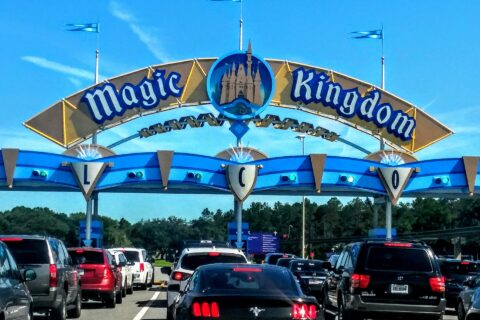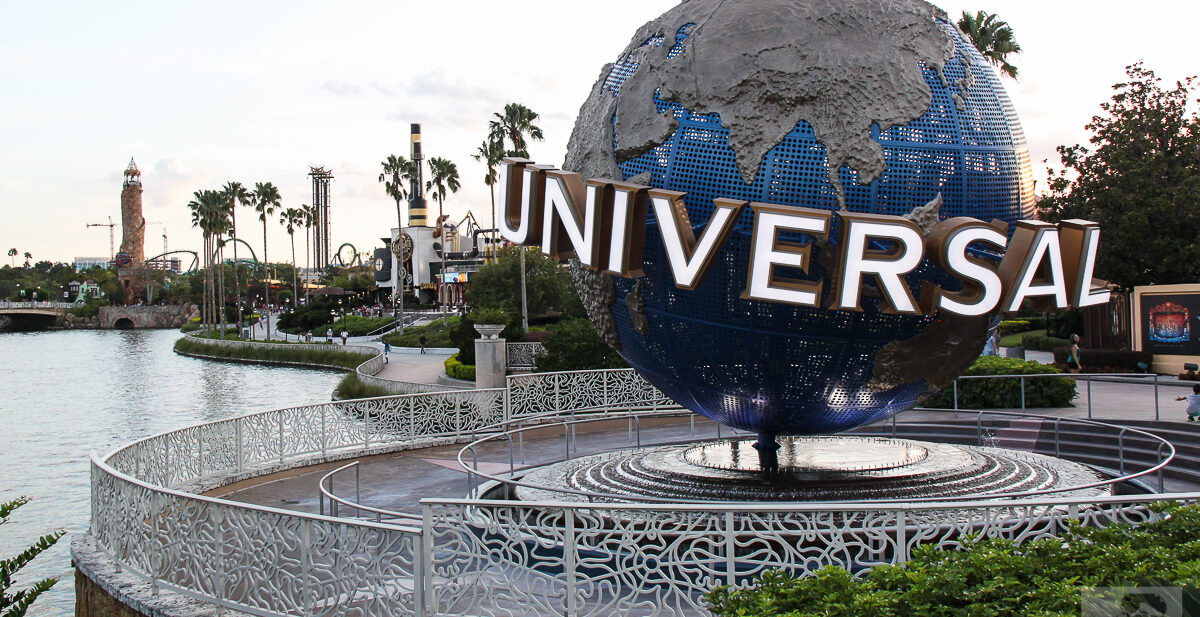
Most Orlando trips that go wrong do not go wrong in the parks. They go wrong on paper, months earlier, when someone writes “Magic Kingdom, Universal, EPCOT, Epic Universe, SeaWorld” across five consecutive days and books the flights. By day three the family is crossing the city twice a day, the children are asleep in the rental car at 4pm, and nobody has been in the hotel pool. A good Orlando itinerary is less about which parks you choose than about the order you put them in, the days you leave empty, and how often you change hotels.
This guide is the planning layer for trips from a long weekend to two weeks: the rules that make any multi-park plan work, a framework for 3, 5, 7, 10 and 14 days, where Epic Universe, SeaWorld, LEGOLAND, Kennedy Space Center and the water parks fit, and how to match tickets and hotels to the plan. It is deliberately multi-resort. If you are only doing Walt Disney World, our Disney World itinerary covers that in day-by-day detail; if you are still deciding how long to stay, start with how many days you need in Orlando. Prices and opening details were checked in October 2026; treat them as the right order of magnitude and confirm on the parks’ own sites before you book.
Orlando itineraries at a glance
The table below is the shape of each trip. The day-by-day frameworks further down fill it in.
| Trip length | Park days | Rest or light days | A sensible split | Who it suits |
|---|---|---|---|---|
| 3 days (long weekend) | 2 to 3 | Arrival and departure evenings | One resort, or one park each at Disney and Universal | Adults, repeat visitors, Florida drive-ins |
| 5 days | 4 | 1 afternoon or day | 2 Disney and 2 Universal, or 3 and 1 | First-timers with a short break, couples |
| 7 days | 5 to 6 | 1 to 2 | 4 Disney and 2 Universal | Most first-time families |
| 10 days | 7 to 8 | 2 | 4 Disney, 3 Universal, one extra park or day trip | Families flying long-haul, mixed-age groups |
| 14 days | 9 to 10 | 3 to 4 | Everything above, plus water parks, LEGOLAND or the coast | UK and international visitors, multi-generation groups |
Notice what the table does not do: it never fills every day with a park. Even the two-week plan has three or four days without a theme park ticket in them. That is not a concession to tired children. It is the single biggest difference between itineraries people enjoy and itineraries people endure.
Seven rules every Orlando itinerary should follow
1. Group the parks by resort
Walt Disney World and Universal Orlando sit on opposite sides of the tourist corridor, with separate tickets, separate transport and separate hotels. Every switch between them costs time in the car and attention. So plan in blocks: all your Disney days together, all your Universal days together, rather than alternating. A seven-day trip with a single Disney-to-Universal switch in the middle is calmer than one that switches three times, even if the park list is identical.
The block approach also lets you match your hotel to the parks you are visiting, which matters more than it looks. Disney’s resort hotels give guests Early Theme Park Entry, 30 minutes before regular opening at all four parks, every day of their stay. Universal’s hotels have their own early-entry perk on selected parks and dates. Neither is any use while you are staying across town.
2. Do not put a big park on arrival day
Flights land late, rental car queues are long, and check-in is slow. A park ticket used on arrival day is usually half wasted. Use that evening for something free or cheap and close to your hotel: Disney Springs, Universal CityWalk, a pool and an early night. If you are flying from the UK, the time difference is on your side here: you will wake early on the first full day, which is exactly when you want to be at the gate.
3. Put the hardest park early, not first
Your second or third day is the sweet spot for the park that needs the most energy and the earliest start: Magic Kingdom for a young family, Epic Universe or Islands of Adventure for thrill-seekers. You are rested, over the travel, and not yet carrying the fatigue that builds up by day six. Save the gentler parks, EPCOT and Animal Kingdom especially, for later in the trip when an easier pace is welcome.
4. Build in a rest day every three or four park days
This is the rule people skip, and regret. Orlando’s parks involve a lot of walking, a lot of queuing in heat, and early starts. A rest day is not wasted: it is when the hotel pool, a slow breakfast, a shopping trip or an afternoon nap does more for the rest of the trip than another park could. For families with children under eight, add a midday hotel break on most park days too.
5. Give Epic Universe a full day, and check its hours
Epic Universe is a full-day park with five worlds, and it is the park where a half-day plan disappoints most. Before you plan an evening there, check Universal’s park-hours calendar for your date: like every Orlando park, its closing time varies with the season, and on quieter dates it can close earlier than visitors expect. Our Epic Universe guide covers how to tour it.
6. Keep the departure day light
Checkout, packing, returning the car and getting to the airport take most of a morning. Unless your flight leaves in the late evening, the last day is for a pool, a late breakfast or a last look round Disney Springs, not a park.
7. Book the time-sensitive pieces in the right order
Some parts of an itinerary have booking windows. At Disney, guests at Disney resort hotels can buy Lightning Lane passes 7 days before check-in for the whole stay; other guests buy 3 days before each park day. Dining reservations open well ahead, too. Once your park order is fixed, those windows decide which day gets which booking. Our vacation planning timeline lays out the order.
Disney first, or Universal first?
There is no single right answer, but there are good reasons for each order.
Universal first, then Disney suits families with younger children and first-time visitors. Universal’s three theme parks are compact and intense, and its biggest moments land early in the trip while everyone is fresh. Finishing at Disney gives the trip a gentler second half and puts the fireworks and character moments at the end, which is usually what young children remember.

Disney first, then Universal suits teenagers and thrill-seeking adults. Starting with Disney’s larger parks while energy is high, then finishing on VelociCoaster, Hagrid’s and Epic Universe, means the trip builds rather than winds down. It also puts the hardest-to-walk days first.
For a mixed group, the deciding factor is usually the hotel. If one of your hotels has better perks or a better pool, put its block second, when you will appreciate it most.
Where Epic Universe fits
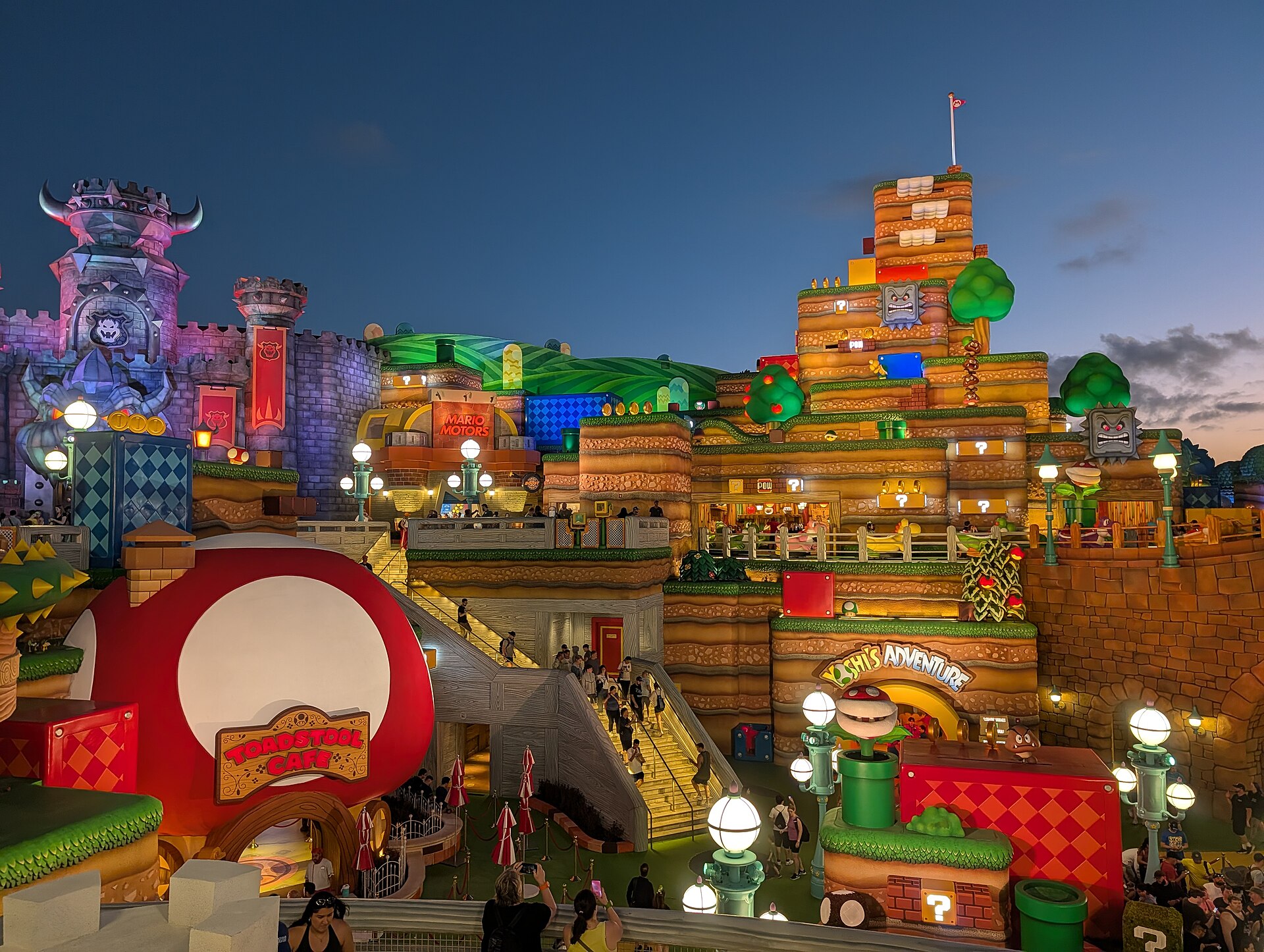
Epic Universe changed Orlando itineraries. It added a full third Universal theme park, which means a “do Universal” block now needs three days rather than two if you want all three parks, and it sits in a separate location from Universal Studios Florida and Islands of Adventure, south of the main Universal resort.
Three practical points for planning:
- Epic is its own day. It is not connected to the other two Universal parks by the Hogwarts Express, and it sits apart from them. Plan it as a full day of its own rather than an add-on to another park.
- Check your ticket’s Epic days. Universal’s multi-day tickets do not all handle Epic Universe the same way. Before you buy, read how many Epic Universe days the ticket includes and whether it allows park-to-park access. Our Epic Universe tickets guide sets out the options.
- Put it early in your Universal block. If something goes wrong on your Epic day (a closure, a storm), you then have time to adjust.
If you are short of time and must choose, our Epic Universe vs Islands of Adventure comparison covers which to keep.
Where everything else fits
The big seven theme parks (four Disney, three Universal) take most itineraries. Here is how the rest slot in, and when they earn a day.
SeaWorld Orlando
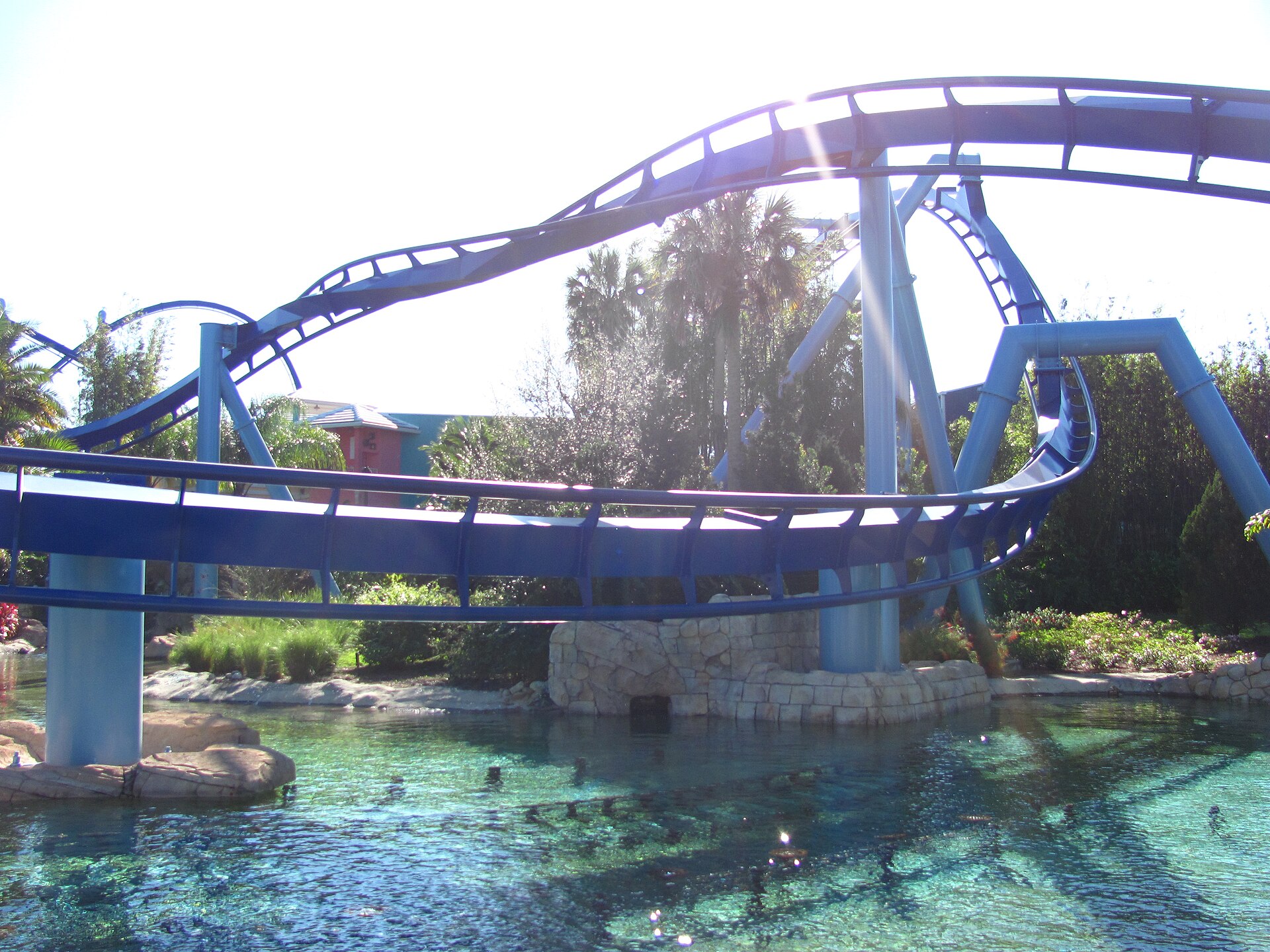
SeaWorld is good value for a full day, and it is close to the Universal and International Drive area, which makes it easy to tuck into a Universal block. Its dated one-day tickets started from $59.99 when checked in October 2026, and SeaWorld was open 10am to 6pm on a mid-October day. It suits a seven-day trip or longer, or a shorter trip for coaster fans who have done Disney before. Our SeaWorld Orlando guide covers the park.
LEGOLAND Florida

LEGOLAND Florida is in Winter Haven, which LEGOLAND describes as 45 minutes from the Orlando theme parks. It is aimed at children of roughly 2 to 12, and for that age group it can be the most relaxed day of the trip. Two planning points: the theme park is closed on select Wednesdays through the year, and its separate water park is seasonal, so check LEGOLAND’s hours calendar before you fix the day. It earns its place on trips of ten days or more with young children, or as a swap for one Disney day on a shorter trip with toddlers. See our LEGOLAND Florida guide.
Kennedy Space Center
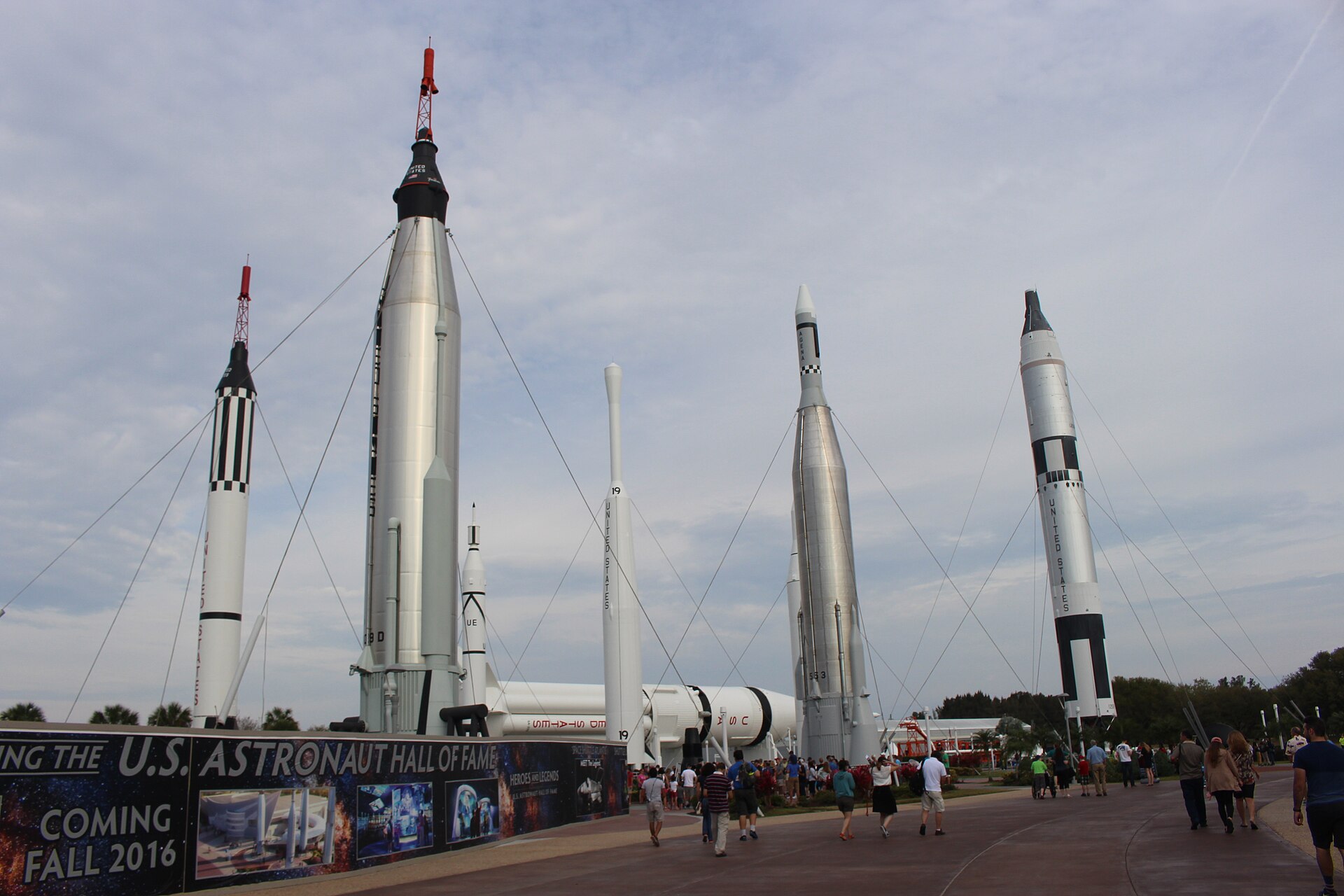
Kennedy Space Center Visitor Complex is about 50 miles east of Orlando, and there is no public transport from the city; you drive (parking was $15 a car in October 2026) or take an organised bus tour. It was open 9am to 5pm on a mid-October day. Treat it as a full day of its own, ideally after a run of park days, when a change of pace is welcome. It works brilliantly for older children and adults and is often the day teenagers remember. Our Kennedy Space Center day trip guide has the details.
The water parks
Orlando’s water parks are seasonal planning, not year-round planning, and winter 2026-27 is a good example. In October 2026 Disney’s Typhoon Lagoon was closed for refurbishment, with Blizzard Beach open. Universal’s Volcano Bay begins a maintenance closure on 26 October 2026, with reopening planned on or before 1 April 2027; check Universal’s park hours for the latest date. If a water park matters to your trip, check each park’s operating calendar for your dates before you build a day around it, and treat it as a half-day: most families do a morning at a water park and an afternoon at the hotel. Our Orlando water parks guide compares them.
Disney Springs and CityWalk
These are the arrival-evening and rest-day answers. Both are free to enter, both are full of restaurants and shops, and both are close to the resort hotels they serve. Use Disney Springs during a Disney block and CityWalk during a Universal block, rather than crossing town for either.
The beach
The Atlantic coast is east of the parks, and a beach day is the most effective rest day there is on trips of ten days or longer. Our beaches near Orlando guide covers the options.
Orlando itinerary frameworks by trip length
The frameworks below set out which kind of day goes where. They do not tell you which rides to do in each park: each park’s own guide covers that. Swap parks within a block to suit your group; keep the shape.
3 days: the long weekend
Three days forces a choice. You can see two or three parks properly at one resort, or one park at each of Disney and Universal. You cannot see both resorts well.
- Day 1: Arrive. If you land before lunch, an afternoon park; if not, Disney Springs or CityWalk and an early night.
- Day 2: Your biggest park, from opening.
- Day 3: Your second park, from opening, then fly home that evening or the next morning.
Best for: adults, repeat visitors and Florida residents driving in. The trade-off: you will leave a lot undone, so pick the parks your group cares most about and do them well, rather than sampling four badly. For adults who have done Disney, Universal’s three parks over three days make a rewarding long weekend.
5 days: the short split
Five days is the shortest trip that does both resorts without feeling rushed, provided you keep one afternoon free.
- Day 1: Arrive, check in near your first block, evening at Disney Springs or CityWalk.
- Day 2: First Universal park (Islands of Adventure or Epic Universe).
- Day 3: Second Universal park. Move hotels in the evening if you are splitting your stay.
- Day 4: Magic Kingdom, from opening, with a midday break if you have young children.
- Day 5: A second Disney park in the morning (EPCOT or Hollywood Studios), then pack and fly, or keep this as a rest day and fly the next morning.
Best for: couples, families with teenagers, and anyone who has a week of holiday but wants to keep two days spare. The trade-off: you will skip at least one park at each resort. With younger children, three Disney days and one Universal day is often a better balance than two and two.
7 days: the classic first trip
A week is the length most first-time families choose, and it is the length where the rules above matter most, because it is long enough to wear people out.
- Day 1: Arrive. Pool and Disney Springs.
- Day 2: Magic Kingdom.
- Day 3: Hollywood Studios or EPCOT.
- Day 4: Rest day: pool, Disney Springs, a character meal or a water park morning in season.
- Day 5: Animal Kingdom in the morning, then move to a Universal hotel.
- Day 6: Epic Universe.
- Day 7: Islands of Adventure or Universal Studios Florida, then fly home that evening or the next day.
Best for: most first-time families. The trade-off: some parks get only partial attention. If Harry Potter is a priority, swap Animal Kingdom for a second Universal day and buy a Park-to-Park ticket so you can ride the Hogwarts Express between Universal Studios Florida and Islands of Adventure.
10 days: the comfortable all-rounder
Ten days is the length that lets you do all seven big theme parks with proper rest, and add one thing beyond them.
- Day 1: Arrive.
- Day 2: Magic Kingdom.
- Day 3: EPCOT.
- Day 4: Rest day.
- Day 5: Hollywood Studios.
- Day 6: Animal Kingdom, then move to a Universal hotel.
- Day 7: Epic Universe.
- Day 8: Islands of Adventure and Universal Studios Florida on a Park-to-Park ticket, or one of them.
- Day 9: The other Universal park, SeaWorld, or Kennedy Space Center.
- Day 10: Light morning, pack and fly.
Best for: long-haul visitors, mixed-age groups and anyone who wants everything without exhaustion. The trade-off: almost none. If you are flying from the UK, ten nights is often the minimum that makes the flight and the jet lag worthwhile.
14 days: the full Orlando
Two weeks is the classic UK family holiday, and the risk is the opposite of a short trip: trying to fill fourteen days with fourteen parks and running out of energy by day nine. Plan three or four rest days and you will use the parks better, not worse.
- Days 1 to 7 (Disney block): arrival; Magic Kingdom; EPCOT; rest; Hollywood Studios; Animal Kingdom; a second Magic Kingdom day or a water park day in season.
- Day 8: Rest, then move to a Universal or International Drive hotel.
- Days 9 to 11 (Universal block): Epic Universe; Islands of Adventure; Universal Studios Florida.
- Day 12: SeaWorld, or LEGOLAND for young children.
- Day 13: Kennedy Space Center or a beach day.
- Day 14: Rest, pack and fly.
Best for: UK and international families, multi-generation groups, and anyone who wants Orlando to feel like a holiday rather than an endurance event. The trade-off: cost. Two weeks of tickets, hotels and food is a serious budget, and a second Magic Kingdom day is a luxury you should drop if money is tight.
Adjusting the frameworks for who is travelling
The same seven days can be a brilliant trip or a miserable one depending on who is on it. These are the adjustments that matter most.
Families with children under six
Lean towards Disney. Magic Kingdom and Animal Kingdom have a deep line-up of rides and experiences for small children, and Disney’s hotels and transport make midday breaks easy. Plan a hotel break on almost every park day, keep evenings for one park at most, and think of Universal as a single day for the parts of it that suit small children, not a full block. LEGOLAND, built for this age group, is a strong alternative to a third Universal day. Height limits will shape the day more than you expect, so read our best Orlando park by age guide before you fix the split.
Families with children aged 7 to 12
This is the age where both resorts work almost equally well, and where a full seven or ten days pays off most. Children of this age usually have the height for most of the big rides, the stamina for full days, and the attention span for Kennedy Space Center. Keep the rest days anyway: the tiredness shows on day five rather than day two.
Teenagers
Teenagers tend to rank Universal’s parks higher than their parents expect, and Epic Universe and Islands of Adventure are where they want the most time. Give the Universal block three days, put it second so the trip builds to it, and let them sleep on rest days. Disney’s After Hours events and late evenings at Hollywood Studios are worth a look for this age group. Our Orlando for teens guide goes further.
Adults and couples
Adults can drop most of the rest days and replace them with late starts and long evenings: EPCOT’s World Showcase, Disney Springs, CityWalk’s bars and Universal’s after-dark atmosphere. Park Hopper and Park-to-Park tickets earn their cost here. A five-day trip for two adults can comfortably cover five or six parks.
Multi-generation groups
Plan for the slowest walker, not the fastest rider. Split the group for part of some days (thrill-seekers in one park, grandparents and small children in another) and meet for dinner. EPCOT and Animal Kingdom suit grandparents well, and a rest day by the pool keeps everyone on speaking terms. Disney’s resort hotels, with their own transport, take a lot of strain off older travellers.
The shape of a good park day
Whatever the trip length, most good Orlando park days share the same outline. Plan your days to this shape and the frameworks above will work.
- Arrive before opening. The first hour of the day has the shortest waits. If your hotel offers early entry at that park, use it.
- Do the headliners first. The rides with the longest queues later in the day are the ones to do first.
- Leave in the early afternoon. The hottest, busiest hours are the best time for the hotel pool or a nap, especially with young children.
- Come back for the evening. Queues often ease after dinner, and the nighttime shows are worth staying for.
- Know your exit. At closing, everyone leaves at once. Either leave before the final show or wait twenty minutes after it.
On shorter winter days, when parks close earlier, skip the midday break and stay through. Our rope drop guide covers the first-hour strategy at Disney.
Building your own Orlando itinerary in five steps
If none of the frameworks fits exactly, build your own in this order.
- Fix the dates. School holidays, events and the season decide crowd levels, park hours and what is open.
- Choose the parks. List the parks your group really wants, in order of priority. Cut from the bottom until the park days fit the trip with rest days left in.
- Group them into blocks. Disney parks together, Universal parks together, extras at the joins or the end.
- Order the days. Arrival evening light; hardest park on day two or three; rest every three or four park days; gentle parks later; departure day light. Check evening events and Extended Evening Hours before you fix the order.
- Then book. Hotels to match the blocks, tickets to match the park days, then Lightning Lane, dining and evening events in the windows each one opens.
Write the result on a single page, one line per day. If you cannot fit a day on one line, it is probably too full.
One hotel or two?
For trips of five days or more that include both resorts, two hotels usually beat one. Staying at a Disney hotel during the Disney block gets you Early Theme Park Entry and Disney’s resort transport; moving to a Universal hotel for the Universal block puts you close to Epic Universe and the other two parks, with Universal’s own hotel benefits. The cost is one morning of packing and moving, which fits neatly into the day you switch resorts.
One hotel works better when:
- the trip is three or four days;
- you have a rental car and a villa or vacation home, where the space matters more than the perks;
- you are staying on International Drive, roughly between the two resorts, and accept a drive every day.
Our guides to where to stay in Orlando and on-property vs off-property hotels set out the trade-offs in detail.
Deluxe Disney hotels and evening time
If your Disney block is at a Deluxe or Deluxe Villa resort, check for Extended Evening Hours on your dates. Disney keeps one park open late on select nights for guests of those resorts and a few other hotels, and that changes which park you want on which day. It is worth knowing before you fix the order of your Disney days.
Getting between Disney and Universal
There is no free transport between the two resorts. Your options are a rental car, a taxi or rideshare, or a paid shuttle, and the journey time depends heavily on which hotels you are moving between and on traffic. Allow most of a morning for a hotel switch, including checkout and check-in, rather than trying to squeeze a park into the same day. Our Disney to Universal transportation guide compares the options and costs, and our rental car guide helps you decide whether you need one at all.
If you are visiting Kennedy Space Center, LEGOLAND or the beach, a car makes those days much easier. If your trip is parks only, you can manage without one at either resort, using Disney’s and Universal’s own transport inside each block.
Matching tickets to the itinerary
Disney tickets
Walt Disney World tickets are date-based, so the same ticket costs more on busy dates. A one-day ticket started from $119 before tax when checked in October 2026, and the per-day price drops sharply as you add days, which is why a four- or five-day Disney ticket is usually much better value than buying days separately. For early 2027 Disney is selling a 4-Park Magic Ticket from $533.34 for four days, about $133 a day before tax, for start dates from 3 January to 22 May 2027 and use within 7 days of the start date. Our Disney World ticket prices guide has the full picture.
Park Hopper lets you visit a second Disney park after entering your first; it suits adults and older children who like EPCOT in the evenings more than families with young children. See whether Park Hopper is worth it.
Universal tickets
Universal’s multi-day tickets come in two broad types: one park per day, and Park-to-Park, which lets you move between parks on the same day and ride the Hogwarts Express between Universal Studios Florida and Islands of Adventure. Harry Potter fans should treat Park-to-Park as essential. Prices are date-based and change often, so check Universal’s own ticket store for your dates, and see our Universal Orlando ticket prices guide for how the options compare.
Combining the two
Disney and Universal do not sell a joint ticket for both resorts. If you are also doing SeaWorld, our Orlando combo tickets guide covers the bundles that do exist and when they save money.
Adjusting the plan for the season
- Winter (November to February): shorter park hours on many dates, water parks closed or on reduced schedules, and the holiday events. Mickey’s Very Merry Christmas Party and Jollywood Nights are separately ticketed evenings at Disney; Universal’s holiday events are included with park admission. Build an evening party into a Disney block rather than adding a separate day.
- Spring (March to May): spring break crowds and EPCOT’s spring festivals. Prioritise early starts and rest afternoons.
- Summer (June to August): heat, daily storms and long opening hours. Use the mornings, rest in the afternoon heat, and return for the evenings.
- Autumn (September to October): Halloween events, EPCOT’s Food and Wine Festival, and the peak of hurricane season. Read our hurricane season guide before booking non-refundable pieces.
Our best time to visit guide covers the trade-offs month by month.
The five commonest itinerary mistakes
- No rest days. The most common, and the one that does the most damage to the second half of a trip.
- Alternating resorts. Disney, Universal, Disney, Universal looks varied on paper and costs hours in the car.
- A park on arrival day. Half a day’s ticket for a tired, hungry family.
- Treating Epic Universe as a half-day. It needs a full day, and planning around its hours.
- Booking everything before fixing the order. Lightning Lane, dining and evening events all depend on which park falls on which day. Fix the order first.
If three days is all you have, the choice is sharper: one resort done well, or a single park at each. Our 3 days in Orlando itinerary sets out four versions of the long weekend, with the tickets and hotel that fit each one.
Five days is the shortest trip that does both resorts without feeling rushed. Our 5 day Orlando itinerary takes the framework above day by day: two days at Universal, a hotel move and rest afternoon, then two and a half days at Disney.
FAQ: Orlando itineraries
How should I split days between Disney and Universal?
For a first trip, roughly two Disney days for every Universal day works for most families, and both resorts in blocks rather than alternating. Thrill-seeking teenagers and adults often prefer an even split.
Is 5 days enough for Disney and Universal?
It is enough for a good taste of both, but not for every park. Plan four park days and one lighter day, and accept that you will skip at least one park at each resort.
Which Orlando park should I do first?
Not on arrival day. On your first full day, choose a park your group is excited about but that is not the most demanding; save the hardest park for day two or three.
Do I need a rest day in Orlando?
On trips of five days or more, yes. One rest day every three or four park days makes the later park days noticeably better.
Should I stay at one hotel or two?
For trips of five days or more that include both resorts, two hotels usually work best, one for each block. For short trips, or with a rental car and a vacation home, one base is simpler.
Can I fit Kennedy Space Center into an Orlando itinerary?
Yes, as a full day of its own on trips of seven days or more. It is about 50 miles east of Orlando with no public transport from the city, so drive or book a tour.
How many days do I need for Epic Universe?
One full day for most visitors. Plan it early in your Universal block and check the park’s hours for your date.
Related Orlando Guides
- How Many Days in Orlando?: choosing the right trip length.
- Disney World Itinerary: day-by-day plans for Disney-only trips.
- Which Disney Park on Which Day: ordering the four Disney parks.
- Universal Orlando Guide: the three parks, CityWalk and hotels.
- Orlando Theme Parks Compared: which parks suit which visitors.
- Orlando Day Trips: the coast, Tampa and beyond.
- First Time in Orlando: the essentials for a first visit.
- Orlando Crowd Calendar: picking quieter dates.
Photo Credits
The Universal globe at Universal Orlando: Orlando – USA (36829593404) by Paulo Guereta from São Paulo, CC BY 2.0, via Wikimedia Commons.
The Rocket Garden at Kennedy Space Center Visitor Complex: Kennedy Space Center, Rocket Garden a by Michael Rivera, CC BY-SA 4.0, via Wikimedia Commons.
A LEGO figure in the gardens at LEGOLAND Florida: Cypress Gardens Legoland Florida by sirexkat, CC BY-SA 2.0, via Wikimedia Commons.
The lighthouse at the entrance to Islands of Adventure: Pharos Lighthouse Universal Orlando (May 2023) by Benoît Prieur, CC0, via Wikimedia Commons.
Remaining photography from the Theme Parks Guide library.